
Crypto Regulations and Airdrops in November 2025: What Actually Matters
When it comes to crypto regulations, the legal rules governments set for buying, trading, and owning digital assets. Also known as cryptocurrency laws, it shapes everything from where you can trade to whether your tokens are protected. In November 2025, this wasn’t just background noise—it was the main event. Countries like Nigeria flipped from banning crypto to licensing exchanges, while China doubled down on its total ban, and the U.S. suddenly embraced Bitcoin as a national reserve asset. These aren’t theoretical debates—they change how you hold, trade, and even earn crypto.
Behind the headlines, crypto airdrop, free token distributions meant to grow user bases, often tied to new projects or ecosystem growth. Also known as token giveaways, they’re a magnet for both real opportunities and outright scams flooded in. But most were fake. The POLYS airdrop? Nonexistent. The Velas GRAND claim? A trap. Even CoinMarketCap listings turned out to be empty shells like SUNI, worth zero dollars. Meanwhile, real airdrops like PHA from Phala Network and DFI from DeFiChain required real work—running nodes, completing social tasks, or holding specific assets. The difference? One side gives you nothing. The other gives you a foot in the door to something useful.
And then there’s the infrastructure. CEX vs DEX, the split between centralized exchanges controlled by companies and decentralized platforms run by code and community. Also known as centralized vs decentralized crypto trading, it’s no longer about convenience—it’s about control. If you’re in India or Nigeria, CEXs let you buy with UPI or local banks, but they block you if you’re in China. DEXs? They don’t care where you live, but they don’t protect you either. That’s why understanding blockchain security, how networks prevent fraud, hacking, and manipulation through consensus and cryptography. Also known as crypto network integrity, it’s what keeps your assets safe when no one’s watching matters. Sybil attacks, economic finality, and Proof of Stake aren’t buzzwords—they’re the reason some chains survive and others collapse overnight.
DeFi didn’t disappear—it got smarter. Composability turned protocols into building blocks. Impermanent loss became something you could calculate, not just fear. Staking beat mining for almost everyone. And exchanges? Most were ghosts. Bit4you, EvmoSwap, IMOEX—they vanished into thin air. Only Aster and Echobit stood out, not because they were perfect, but because they had real tech, real users, and real transparency.
What you’ll find below isn’t a list of articles. It’s a field guide to November 2025’s crypto landscape: the laws that changed, the airdrops that paid off, the scams that got exposed, and the tools that actually worked. No fluff. No hype. Just what you need to know to stay ahead, stay safe, and stop wasting time on dead ends.
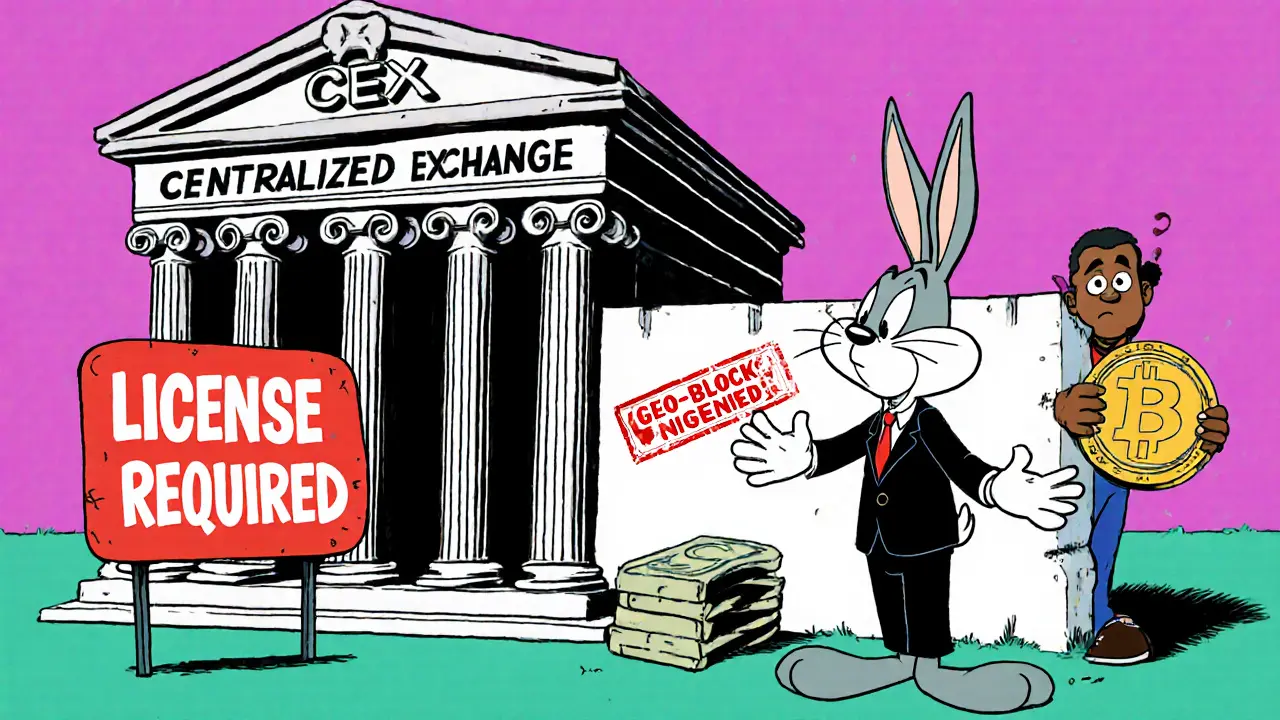
CEX vs DEX: How Geographic Crypto Restrictions Really Work in 2025
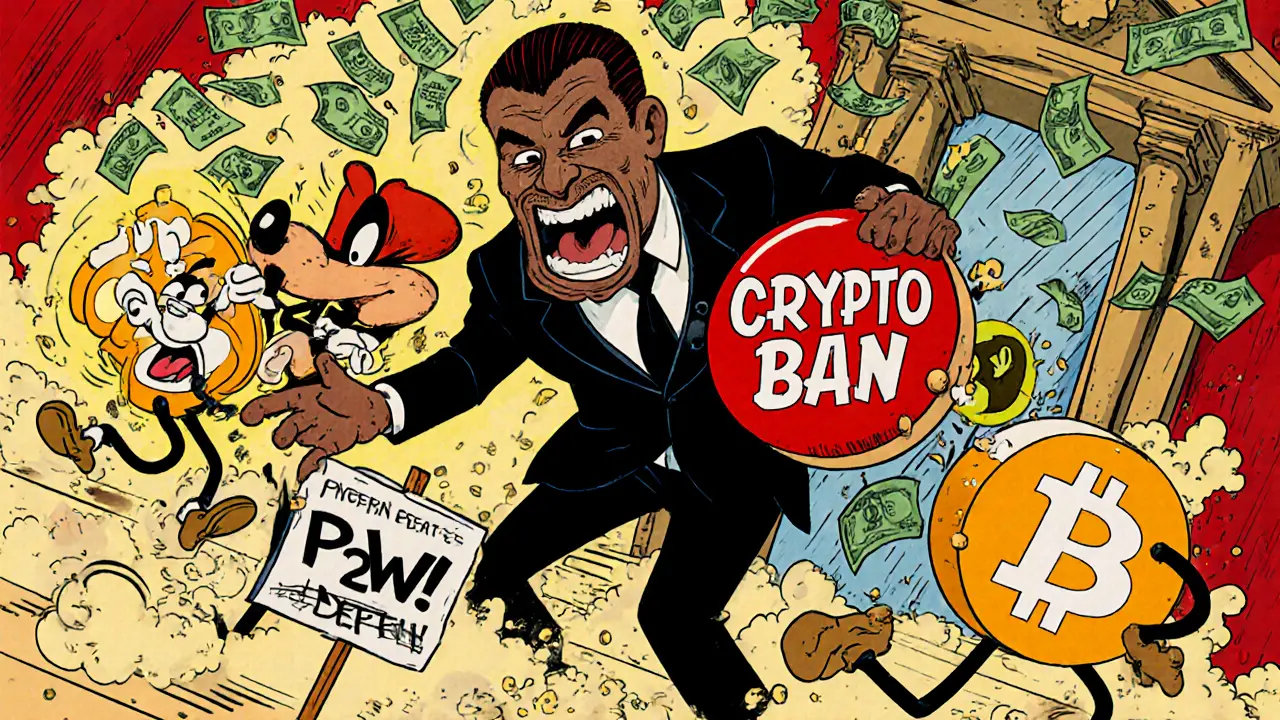
Central Bank of Nigeria Crypto Policy Evolution: From Ban to Regulation
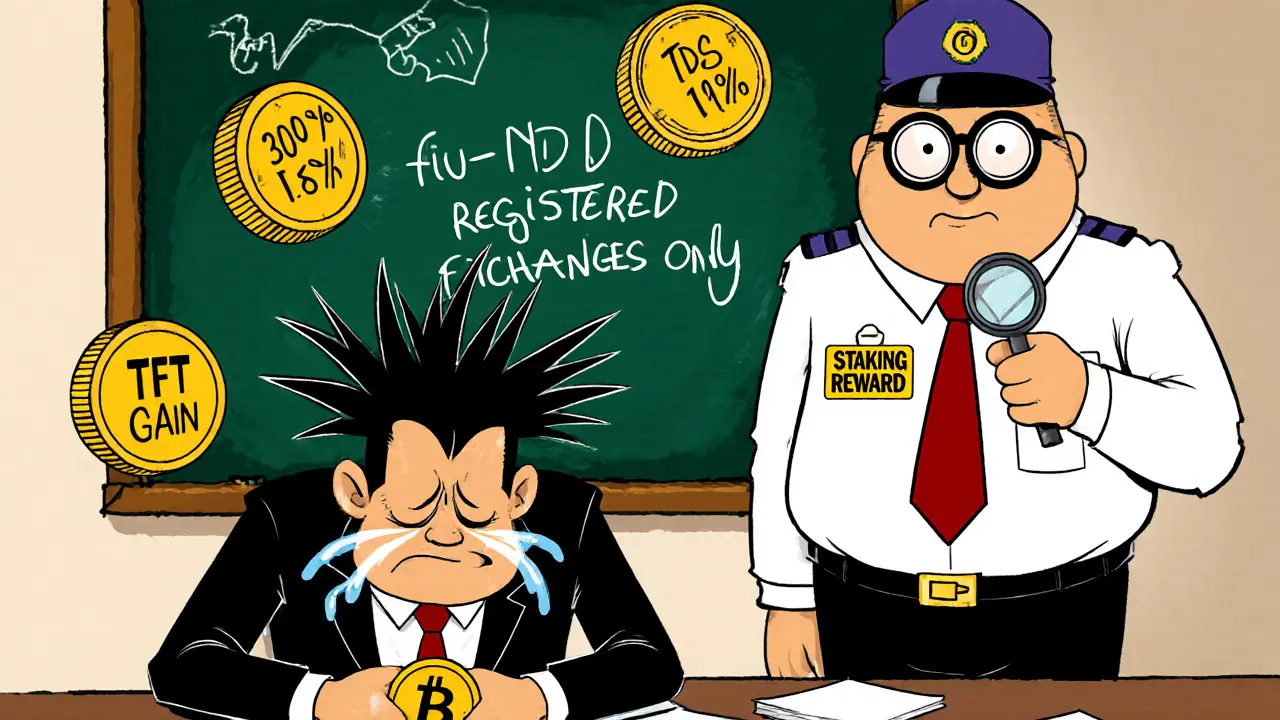
How to Legally Navigate Crypto Regulations in India Without Breaking the Law

StrongNode Edge (SNE) Airdrop: How to Join and What You Need to Know

IMOEX Crypto Exchange Review: Is It Legit or a Scam?

Polystarter POLYS Airdrop: What We Know and What You Need to Check

SUNI Campaign Airdrop: What You Need to Know Before Claiming Tokens

Sybil Attack on Peer-to-Peer Networks: How Fake Nodes Threaten Blockchain Security
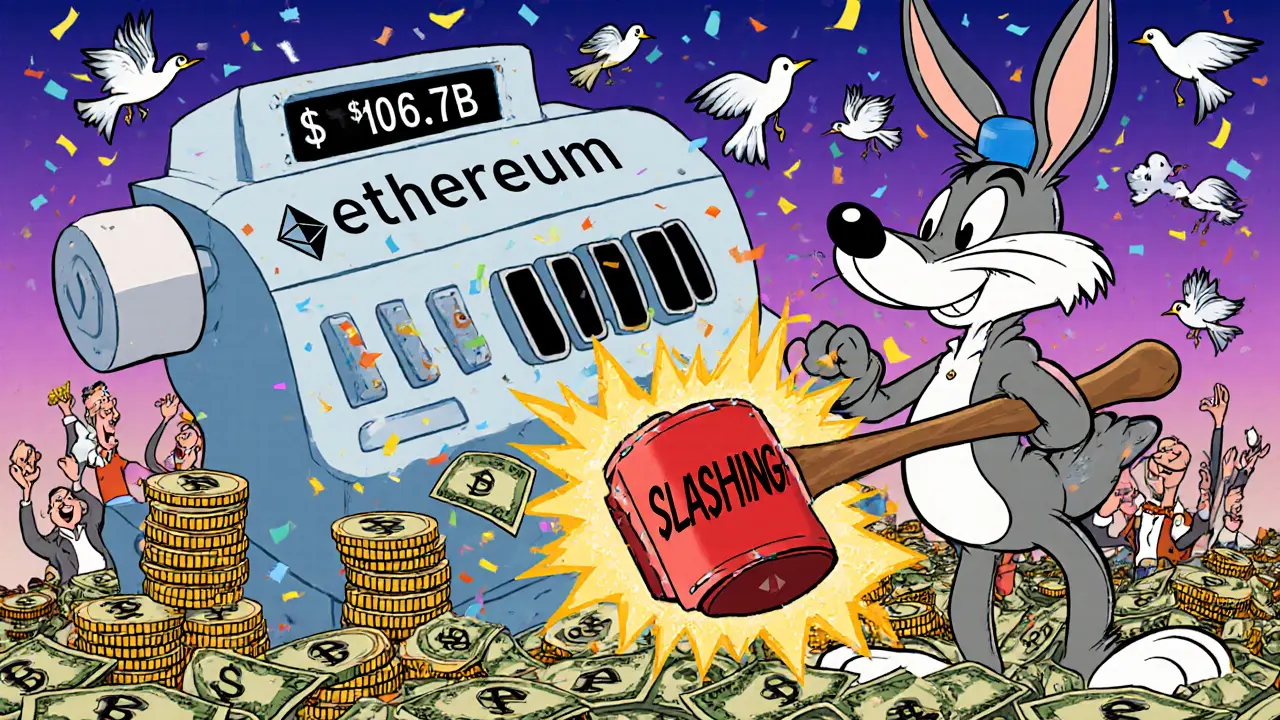
Economic Finality in Proof of Stake: How Blockchain Achieves Irreversible Transactions

Legal Status of Cryptocurrencies in China: Complete Ban and Enforcement in 2025
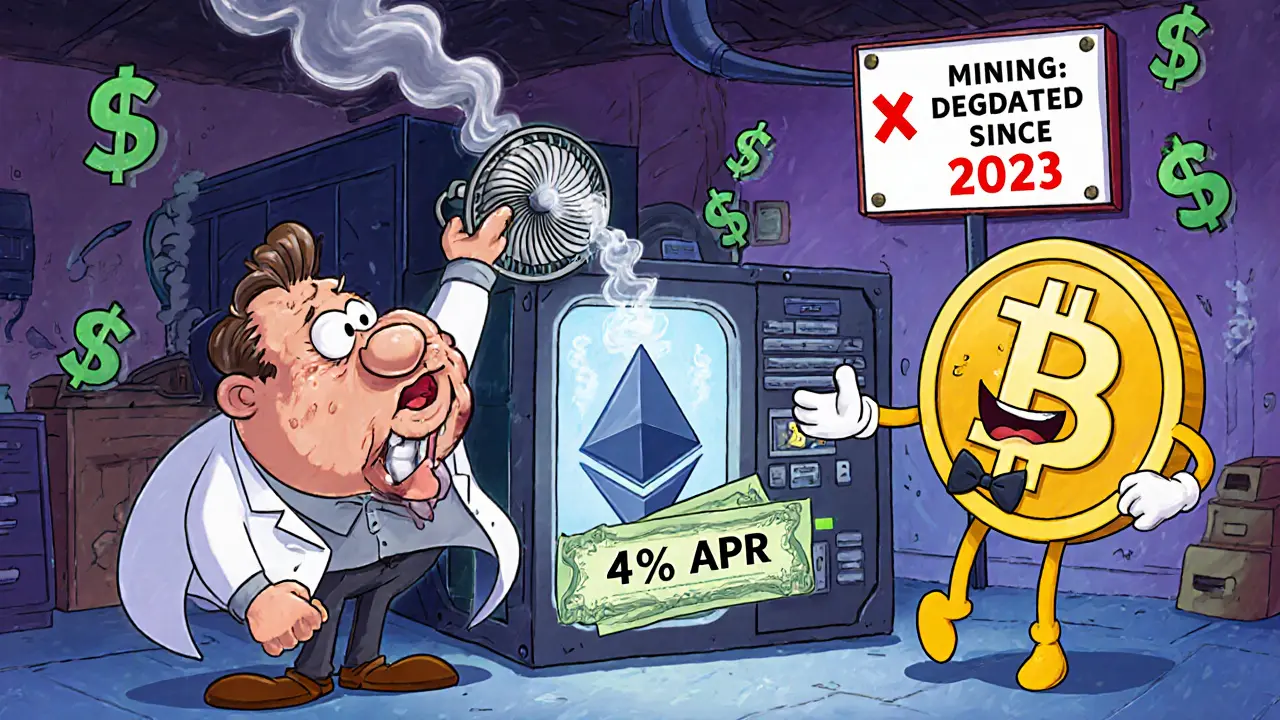
Staking Profitability vs Mining: Which Pays More in 2025?
