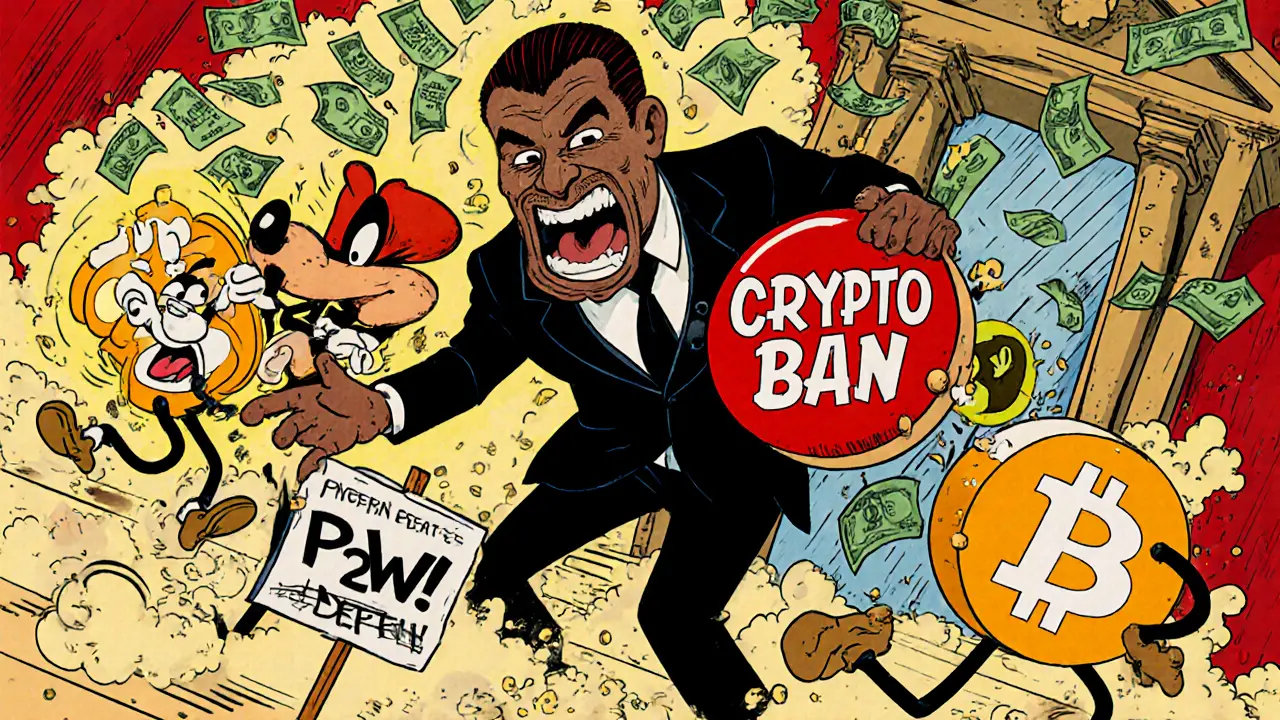
SEC Nigeria crypto: What You Need to Know About Crypto Regulation in Nigeria
When it comes to SEC Nigeria crypto, the Securities and Exchange Commission of Nigeria’s official stance on digital assets. Also known as Nigerian crypto regulation, it’s not a ban—it’s a framework. Unlike China or India, Nigeria doesn’t outlaw crypto. Instead, the SEC requires exchanges, token issuers, and investment platforms to register, disclose risks, and follow anti-money laundering rules. This shift turned Nigeria into Africa’s most active crypto market overnight.
The SEC Nigeria, the government body that licenses and monitors financial markets in Nigeria. Also known as Nigerian Securities and Exchange Commission, it started enforcing rules in 2022 after crypto trading exploded across the country. They now list approved exchanges like Binance, Luno, and Paxful. Unregistered platforms? They get shut down fast. The SEC also warns users about fake airdrops, pump-and-dump schemes, and platforms pretending to be regulated. If you’re trading in Nigeria, you’re not just betting on price—you’re navigating legal boundaries.
Crypto compliance Africa, how digital asset users and businesses follow financial rules across the continent. Also known as African crypto regulation, Nigeria leads the way. Other countries watch what the SEC does before making their own moves. The SEC doesn’t just care about exchanges—it tracks token sales, requires KYC, and even investigates influencers promoting unregistered coins. If a project claims to be "SEC-approved" in Nigeria, verify it on their official site. Most don’t qualify. And if you’re using a platform that doesn’t show a license number, you’re taking a risk no reward is worth.
What you’ll find in these posts isn’t theory—it’s real cases. You’ll see how traders in Lagos avoid penalties by using only registered platforms. You’ll learn why a Nigerian crypto project got banned for hiding its team. You’ll spot the red flags in fake airdrops that look like real SEC-sanctioned offers. And you’ll see how the SEC’s rules are changing what’s possible for African crypto startups. This isn’t about avoiding the law. It’s about using it to your advantage.