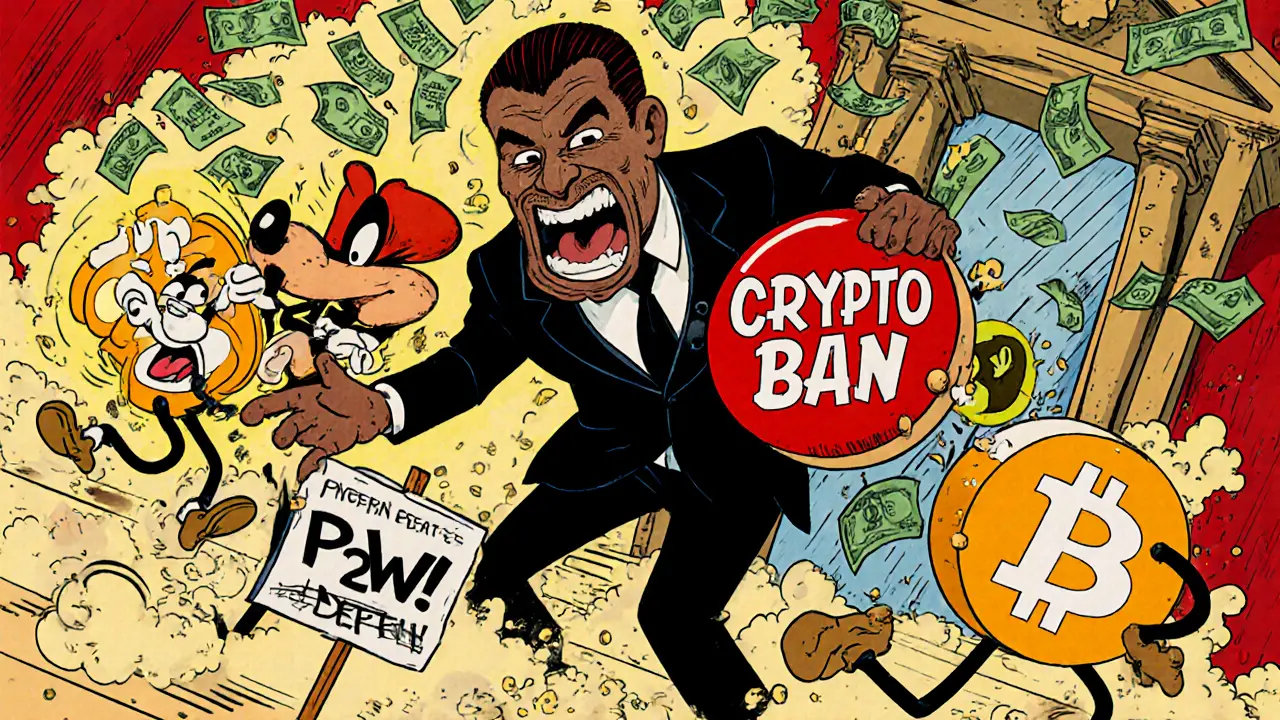
Nigeria Cryptocurrency Regulation: What’s Legal, What’s Not in 2025
When it comes to Nigeria cryptocurrency regulation, the official stance from the Central Bank of Nigeria (CBN) is restrictive, but enforcement is patchy and user behavior is widespread. Also known as CBN crypto policy, it’s less about a full ban and more about discouragement—banks can’t process crypto transactions, but millions still trade anyway. The CBN’s 2021 circular shut down bank accounts linked to crypto exchanges, but it didn’t make owning or trading Bitcoin illegal. That’s the key difference: no law says you can’t hold crypto, but the system makes it hard to move money in or out.
This creates a strange reality. You can buy Bitcoin on Binance or Paxful using P2P platforms, but your bank might freeze your account if they spot the pattern. The Central Bank of Nigeria, the country’s financial regulator that controls monetary policy and banking access. Also known as CBN, it still pushes the digital naira as the only official electronic currency, while ignoring how over 30% of Nigerian adults have used crypto for remittances, savings, or small business payments. The crypto taxes Nigeria, a gray area where the government hasn’t officially set rates but has signaled it will eventually tax gains. Also known as Nigeria crypto tax, it remains unenforced—no one’s been fined yet, but the tax authority has started asking for transaction records.
What you’ll find in the posts below are real cases: traders who avoided account freezes by using P2P platforms, businesses that switched to crypto to dodge inflation, and scams pretending to be "legal crypto banks" in Nigeria. You’ll see how people use local payment apps like Opay and PalmPay to trade crypto without touching banks. You’ll also learn why some Nigerian exchanges got shut down while others stayed open—because they never claimed to be banks. The pattern isn’t about legality. It’s about how much risk you’re willing to take with your money.