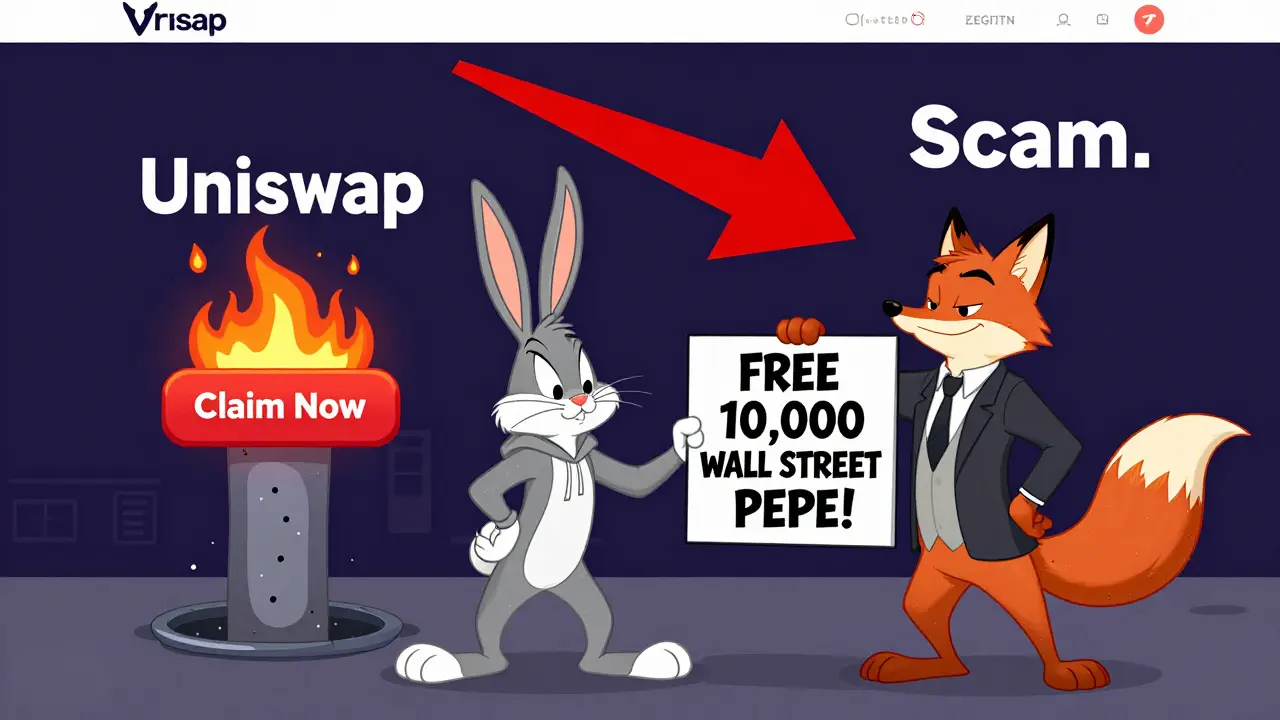
Fake Crypto Airdrops: How to Spot Scams and Avoid Losing Your Wallet
When you see a message saying fake crypto airdrops, promises of free tokens that vanish as soon as you connect your wallet, it’s not a gift—it’s a trap. These aren’t rare mistakes. They’re designed to look real, using logos from big projects, fake CoinMarketCap pages, and countdown timers that make you act fast. The goal? Get you to sign a malicious transaction that drains your wallet. No magic, no luck—just cold, calculated theft.
crypto airdrop scams, often disguised as limited-time offers from projects like Polystarter, Velas, or SUNI don’t exist. If a project has no website, no team, no GitHub, and no history—don’t trust it. Real airdrops like the PHA airdrop, from Phala Network, which requires a hardware node and clear documentation, don’t ask for your seed phrase. They don’t use Telegram bots to collect wallets. They don’t promise 10,000 tokens for sharing a tweet. If it sounds too easy, it’s not an airdrop—it’s a crypto scam, a digital pickpocketing scheme built on urgency and deception.
Here’s how to protect yourself: First, check the official project website—not a link in a Discord DM. Second, look for verified social accounts with real engagement, not bots. Third, never connect your wallet unless you’re 100% sure what you’re signing. A fake airdrop will ask you to approve a token transfer or grant access to your entire balance. Real ones ask for nothing but your wallet address. Fourth, search for the project name + "scam" on Google. If others have lost money, it’s already been exposed.
The worst part? These scams target beginners and pros alike. Even experienced traders get caught because the fake sites look flawless. They copy real exchange UIs, use fake testimonials, and even create fake news articles. But there’s one thing they can’t fake: transparency. Real projects publish audits, team profiles, and tokenomics. Fake ones disappear the moment you send your crypto.
Below, you’ll find real breakdowns of the most common fake airdrops in 2025—from the ones pretending to be from CoinMarketCap to the ones using fake names like "SNE" or "POLYS." Each post shows you exactly what to look for, what to avoid, and how to spot the red flags before you click. No fluff. No hype. Just what works when your wallet is on the line.