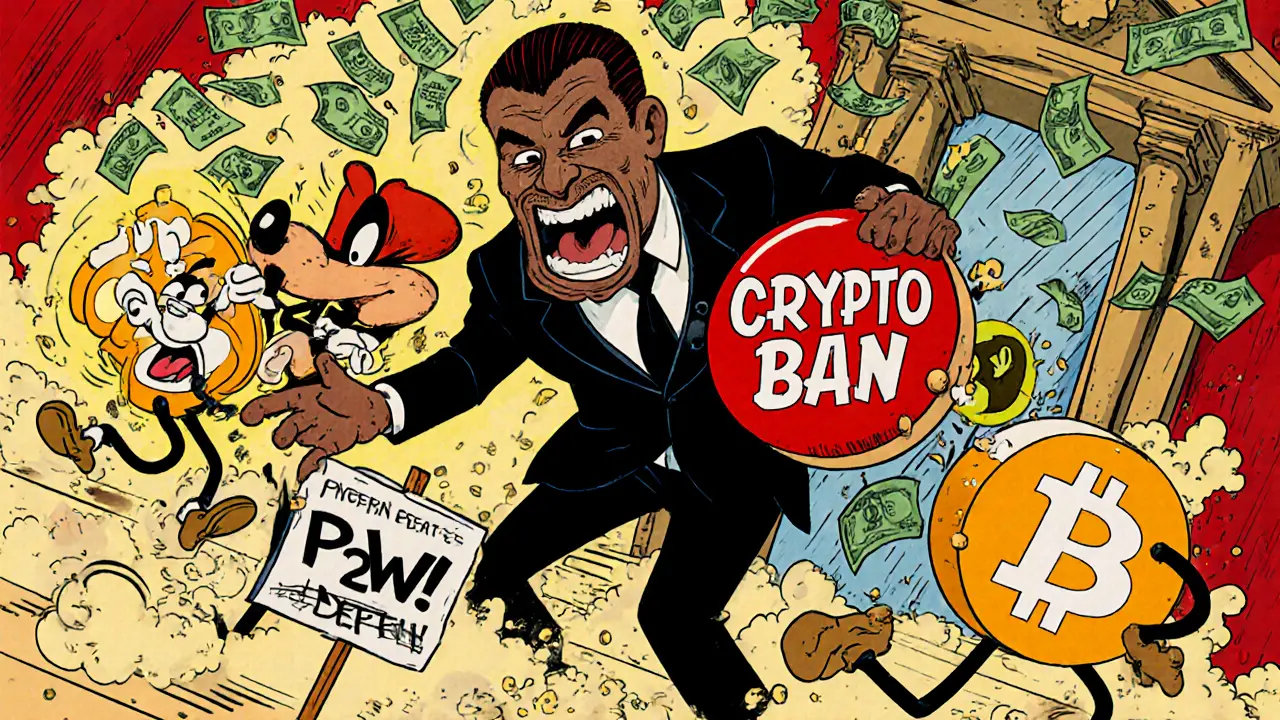
Central Bank of Nigeria crypto policy: What it means for traders and users
When the Central Bank of Nigeria crypto policy, the official stance on digital assets issued by Nigeria’s monetary authority. Also known as CBN crypto regulations, it has shaped how millions in Nigeria interact with Bitcoin and other tokens. In 2021, the CBN ordered banks to stop serving crypto exchanges and users. No more Naira deposits. No more withdrawals. No more on-ramps. The goal was to stop capital flight and protect the Naira. But the ban didn’t stop trading—it just pushed it underground.
Today, the Nigeria crypto regulations, the legal framework governing digital asset use under Nigerian law remain unclear. The CBN hasn’t legalized crypto, but it also hasn’t shut down P2P platforms entirely. Millions still use LocalBitcoins, Paxful, and peer-to-peer apps to buy Bitcoin with Naira. Some use gift cards, mobile airtime, or even cash meetups. The CBN crypto ban, the 2021 directive that cut off banking access for crypto businesses is still active, but enforcement is inconsistent. You won’t go to jail for holding Bitcoin, but if a bank spots a crypto transaction, they can freeze your account. No warning. No appeal.
What’s worse? The CBN doesn’t treat crypto like property or currency—it treats it like a threat. That’s why you won’t find a single licensed crypto exchange in Nigeria. No Binance Nigeria. No Luno. No KuCoin. Even global platforms that once had Nigerian offices pulled out. But users didn’t leave. They adapted. Telegram groups. WhatsApp traders. Offshore wallets. Some even use Nigerian forex brokers that quietly accept crypto deposits. The Nigerian cryptocurrency laws, the patchwork of unofficial rules and enforcement practices around digital assets are a mess, but they’re not a dead end.
If you’re in Nigeria and you want to trade crypto, you’re not breaking the law by owning it. You’re breaking the CBN’s banking rules. That’s the gap. And that’s why so many still do it. You’ll pay higher prices on P2P because sellers factor in risk. You’ll wait longer to cash out. You’ll get flagged by your bank. But you’ll still get your Bitcoin. And that’s the reality the CBN never expected: when you ban something people need, they find a way.
The posts below show you exactly how people are working around the ban—what exchanges still work, which airdrops are scams targeting Nigerians, how to avoid account freezes, and which tools actually help you trade safely. No theory. No fluff. Just what’s working right now in Nigeria’s crypto gray zone.