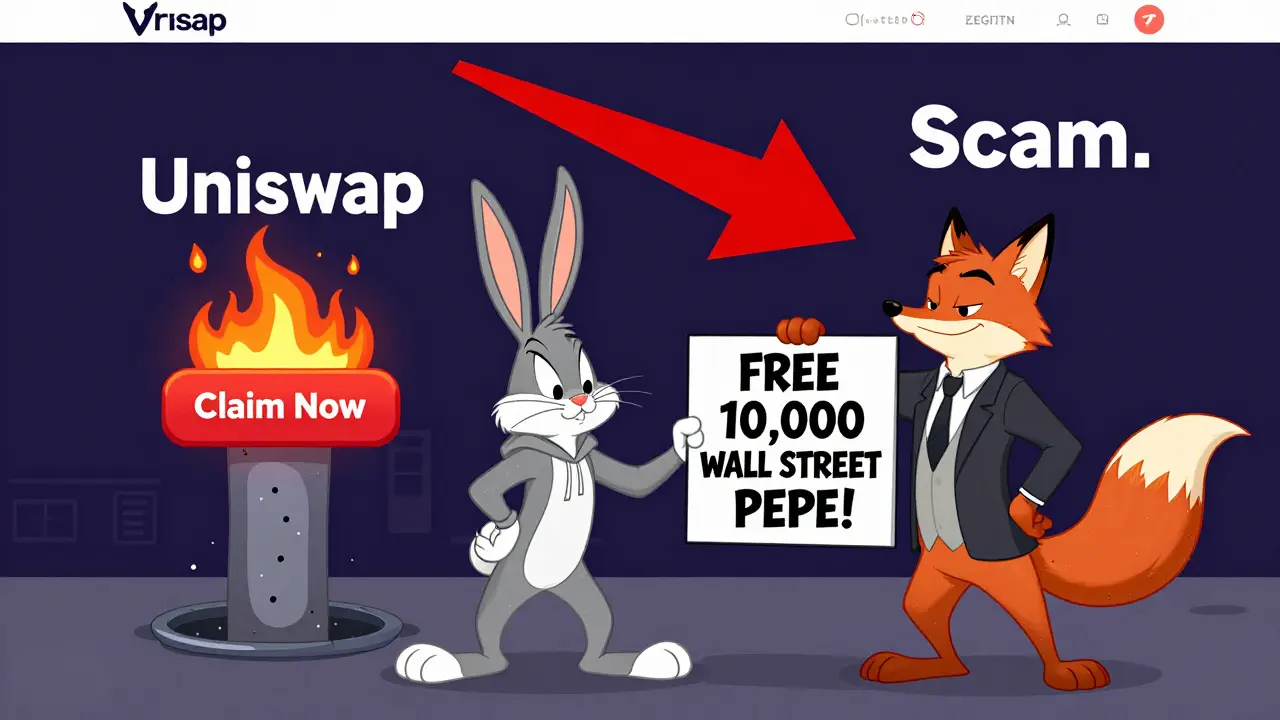
Avoid Airdrop Fraud: How to Spot Fake Crypto Airdrops and Protect Your Wallet
When you hear "free crypto airdrop," your first thought might be excitement—but too many people lose money because they don’t know how to avoid airdrop fraud. A legitimate airdrop gives you tokens for simple tasks like following a project on Twitter or joining a Discord. A fake one asks for your private key, connects your wallet to a phishing site, or promises tokens that don’t exist. The crypto airdrop scam, a deceptive scheme where fake projects trick users into giving up access to their wallets or paying fees for non-existent tokens is one of the most common ways new crypto users get burned.
Projects like StrongNode Edge airdrop, a real, verified token distribution with clear participation rules and a working platform are safe because they’re tied to actual technology and public team members. But look at SUNI airdrop, a fake campaign with no website, no team, and tokens worth $0, or the POLYS airdrop, a rumor spread by scammers pretending to represent PolyStarter, a project that never offered free tokens. These aren’t just misleading—they’re designed to steal. If a site asks you to connect your wallet before claiming, or says you need to pay gas fees to receive free tokens, walk away. Real airdrops don’t charge you to get free crypto.
Scammers use fake listings on CoinMarketCap or fake exchange names like IMOEX crypto exchange, a completely fictional platform with no registration, no users, and no legitimacy to make their scams look real. They copy logos, steal website designs, and even create fake YouTube videos. Always check the official project website, look for verified social accounts, and search for independent reviews. If no one’s talking about it outside of the scam site, it’s probably fake. And never, ever share your seed phrase—not even with "support."
Real airdrops happen on established platforms like MEXC or CoinMarketCap, and they’re announced through official channels. If you’re unsure, check the project’s GitHub, read their whitepaper, and see if developers are active. If the token has zero trading volume after months of distribution—like Bit Hotel’s BTH—ask why. Free tokens aren’t free if they’re worthless. The goal isn’t just to claim tokens—it’s to protect your wallet from being drained.
Below, you’ll find real case studies of scams that fooled thousands, guides on how to verify airdrop legitimacy, and clear steps to secure your assets before you even click "claim." Whether you’re new to crypto or have been around for years, knowing how to spot a fake airdrop could save you thousands.