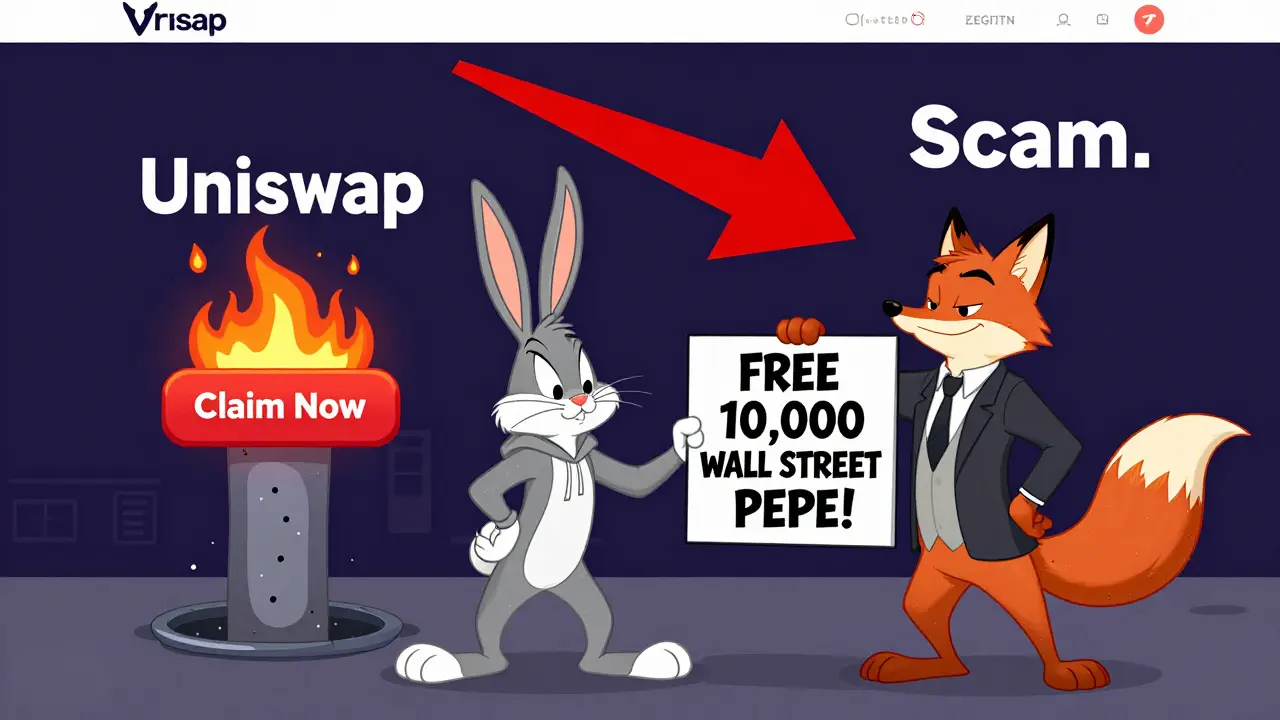
Airdrop Scams: How to Spot Fake Crypto Airdrops and Protect Your Wallet
When you hear airdrop scams, fraudulent crypto offers that trick users into giving up private keys or paying fees for free tokens, it’s not just hype—it’s a growing threat. Every week, new fake airdrops pop up promising free tokens from projects that don’t exist. These aren’t just annoying—they drain wallets, steal identities, and leave people with nothing but a broken trust in crypto. The truth? Most airdrops you see on Twitter, Telegram, or shady websites are scams. Real airdrops don’t ask for your seed phrase. They don’t charge gas fees upfront. And they definitely don’t come from accounts with 12 followers and a blurry logo.
One of the biggest tricks is mimicking trusted platforms. Scammers copy CoinMarketCap, Binance, or even DeFiChain’s branding to make their fake crypto airdrop, a promotional giveaway of free tokens to users who complete simple tasks look real. Look at posts like the SUNI airdrop—no website, no team, zero utility. Or the POLYS airdrop from PolyStarter.com—no such thing exists. These aren’t mistakes. They’re engineered to look legit. Even the fake airdrop, a deceptive promotion designed to steal crypto assets or personal information for Velas GRAND or StrongNode Edge? All fake. The real ones? They’re rare, transparent, and posted only on official channels. You don’t need to join every airdrop to win. You just need to avoid the ones that feel too good to be true.
And it’s not just about the token. Scammers use airdrops as bait to steal your wallet security, the practices and tools that protect your crypto holdings from theft or unauthorized access. They’ll send you a link to "claim" tokens. Click it, connect your wallet, and boom—your funds are gone. No warning. No refund. Just empty balances. That’s why you should never connect your main wallet to unknown sites. Use a burner wallet if you’re even thinking about joining something sketchy. And always double-check the official project website. If it’s not on their Twitter, Discord, or blog, it’s not real. The airdrop scams you see today are more sophisticated than ever—but they still follow the same old pattern: urgency, secrecy, and a demand for your private keys.
What you’ll find below isn’t just a list of fake airdrops. It’s a collection of real cases—broken down so you know exactly what to look for next time. From the phantom APENFT X CMC airdrop to the non-existent IMOEX exchange, these posts expose the tactics scammers use. You’ll learn how to verify team members, spot cloned websites, and check if a token even has trading volume. No fluff. No guesses. Just facts from people who’ve been burned—and now know how to avoid it.