
Why the 'Old' Label Matters
If you have stumbled upon MetaDAO (old) on a price tracker or exchange, your first question is likely: "Is this a scam?" The short answer is no, but it is complicated. The label "old" attached to the META token (the native governance and utility token of the MetaDAO protocol on Solana) usually stems from how data aggregators like CoinMarketCap handle listings during significant protocol shifts or rebrands. It does not mean the project is dead; rather, it indicates a specific version of the token that existed before recent structural updates or migration events.
Understanding what MetaDAO actually is requires looking past the confusing ticker symbols. At its core, MetaDAO is not just another cryptocurrency coin. It is a decentralized autonomous organization (DAO) framework built on the Solana blockchain (a high-performance public blockchain known for fast transaction speeds and low fees). Its primary purpose is to fix the broken trust model in traditional crypto launches. Instead of letting insiders dump tokens on retail investors, MetaDAO uses a system called "futarchy" to let market forces decide which proposals get approved. This article breaks down how it works, why the token supply changed dramatically, and whether it still holds value in 2026.
The Core Problem: Broken Token Launches
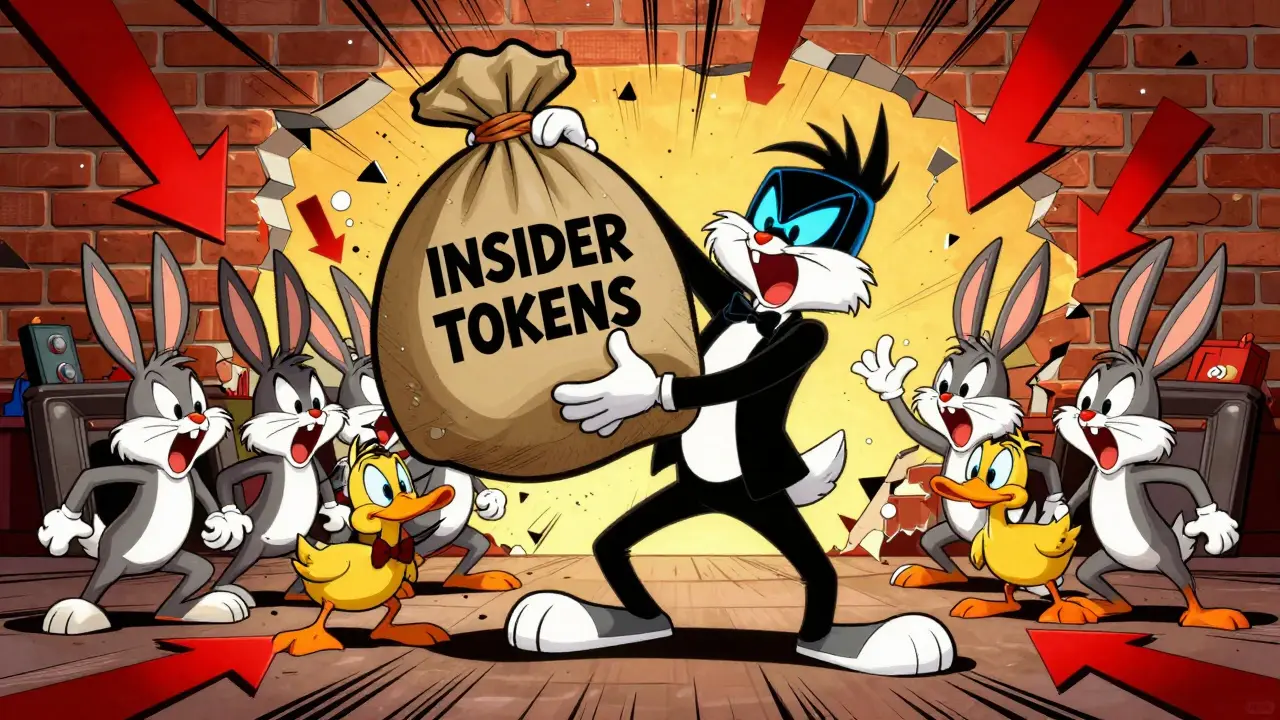
To understand why MetaDAO exists, you need to look at how most crypto projects launch. Traditionally, teams allocate huge chunks of tokens to themselves and venture capitalists. These tokens are often locked for a few months, then unlocked all at once. When the lock expires, insiders sell, the price crashes, and regular users lose money. This cycle repeated itself hundreds of times between 2021 and 2023, eroding trust in the entire industry.
MetaDAO was created in 2023 by an anonymous team specifically to stop this. They designed a protocol where the team’s payout is directly tied to the token’s performance after launch. If the project fails, the team gets little to nothing. If it succeeds, they earn a premium. This aligns incentives in a way that traditional Initial Coin Offerings (ICOs) never did. The platform operates entirely on-chain, meaning every decision and transaction is visible on the Solana ledger. There are no hidden backdoors for developers to manipulate the price.
How Futarchy Changes Governance
The most unique aspect of MetaDAO is its governance model, known as Futarchy (a form of government where decisions are made based on predictions of future outcomes rather than direct voting). In a standard DAO, you vote "yes" or "no" on a proposal. In MetaDAO, you bet on whether a proposal will increase or decrease the value of the treasury.
Here is how it works in practice:
- Proposal Submission: A user submits an idea, such as "Partner with Project X" or "Increase marketing budget by $50k."
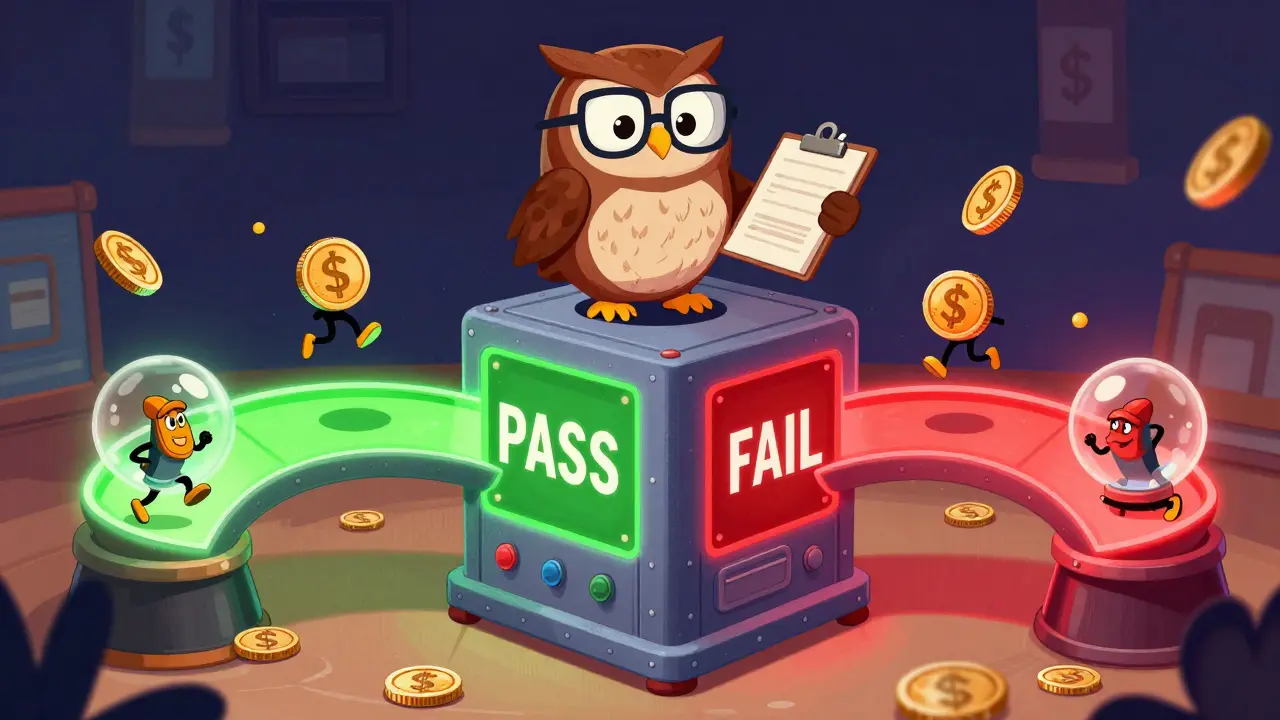
- Market Creation: The system creates two tokens: "Pass" and "Fail."
- Speculation Phase: Participants buy these tokens using USDC. If they believe the proposal will help the DAO, they buy "Pass." If they think it will hurt, they buy "Fail."
- Execution: After a set period, the market closes. If the "Pass" token is more valuable, the proposal is automatically executed. If "Fail" wins, the proposal is rejected.
This mechanism ensures that only ideas predicted to add value are implemented. It removes emotional voting and replaces it with financial incentive. According to Reflexivity Research in August 2024, this approach mirrors successful community-driven models seen in projects like Hyperliquid, where distributing ownership led to massive volume growth.
Tokenomics: The Great Burn of 2024
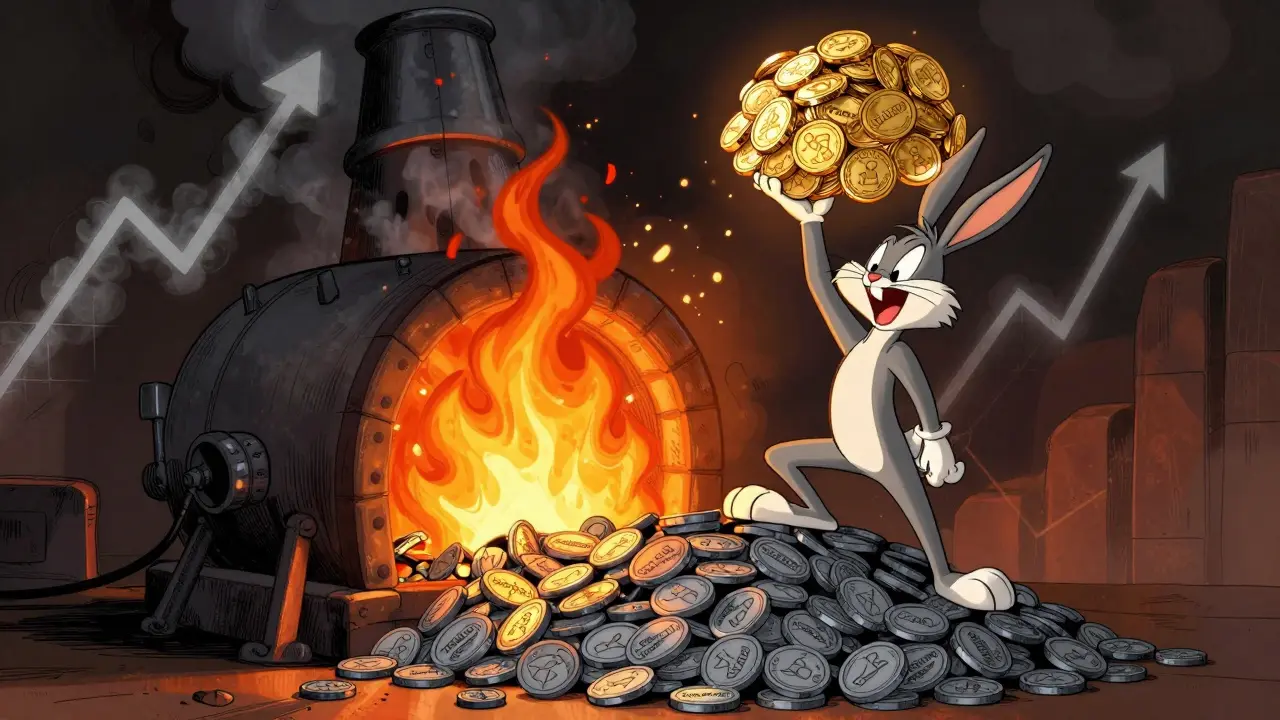
The confusion around the "old" META token largely comes from a major event in March 2024. Initially, the protocol distributed 10,000 META tokens to early supporters and held 990,000 in the DAO treasury. However, the community voted to burn 979,000 of those treasury tokens. This drastic reduction left a total circulating supply of approximately 20.8 million META tokens.
| Metric | Initial State (Nov 2023) | Post-Burn State (Mar 2024+) |
|---|---|---|
| Total Supply | 1,000,000 (initial distribution phase) | ~20,861,831 (adjusted for broader ecosystem integration) |
| Treasury Holdings | 990,000 META | Significantly reduced via burn |
| Inflation | High potential dilution | Fixed supply, deflationary pressure from burns |
| Distribution Model | Airdrop + Treasury | Community-held + Liquidity Pools |
This burn was critical. By reducing the supply, the remaining holders gained a larger share of the protocol’s value. As of late 2024, 100% of the META tokens were in circulation, meaning there are no more hidden unlocks waiting to crash the price. The contract address for the token is METAwkXcqyXKy1AtsSgJ8JiUHwGCafnZL38n3vYmeta on Solana. Always verify this address before buying, as scammers often create fake tokens with similar names.
Risks and Realities: Is It Safe?
No crypto investment is without risk, and MetaDAO has its own set of challenges. While the technology is innovative, the execution has faced criticism. User feedback on platforms like Reddit and Trustpilot highlights two main pain points:
- Complexity: The decision market interface is not intuitive for beginners. Users report spending hours trying to understand how to place bets on proposals correctly. Misunderstanding the mechanics can lead to losses.
- Liquidity Issues: With a market cap hovering around $13-17 million (depending on the data source), META is considered a small-cap asset. This means large trades can cause significant price swings. Spreads can be wide, and exiting large positions quickly may result in slippage.
Additionally, the "discretionary cap" feature allows founders to set limits on how much USDC can be raised in a launch. While intended to prevent over-raising, some users argue this gives too much power to the anonymous team. There have been no documented cases of manipulation, but the theoretical risk remains. Messari’s October 2024 report noted that protocols without venture backing face a 78% failure rate within 24 months. MetaDAO relies solely on community support, which makes its long-term viability uncertain.
Comparison: MetaDAO vs. Traditional DAOs
How does MetaDAO stack up against established players like MakerDAO or Aragon? The key difference lies in their target audience and complexity.
| Feature | MetaDAO (META) | MakerDAO / Aragon |
|---|---|---|
| Governance Model | Futarchy (Prediction Markets) | Direct Voting (One Token = One Vote) |
| Primary Use Case | Fair Token Launches | DeFi Lending / General Governance |
| Blockchain | Solana Only | Ethereum / Multi-chain |
| Team Incentives | Pay-for-Performance (Price Linked) | Vesting Schedules (Time Locked) |
| User Experience | Steep Learning Curve | Mature, Well-Documented |
MetaDAO excels in one niche: launching new tokens fairly. If you are a developer wanting to start a project without pre-mining tokens for yourself, MetaDAO is superior. However, if you are looking for a stable store of value or a mature DeFi lending platform, established giants like MakerDAO offer more security and liquidity. MetaDAO is a tool for creation, not necessarily for passive holding.
Future Outlook: Version 2.0 and Cross-Chain
Despite the risks, MetaDAO is actively developing. The roadmap published in November 2024 outlined plans for Version 2.0, scheduled for Q1 2025. This update aims to introduce cross-chain functionality, allowing the protocol to operate beyond Solana. This move would address one of its biggest weaknesses: lack of interoperability.
In December 2024, MetaDAO integrated with Jupiter Aggregator, improving liquidity access for META holders. This partnership suggests the team is focused on practical usability rather than just hype. Industry analysts remain divided. Reflexivity Research predicts MetaDAO could capture 15-25% of the Solana fair-launch market by 2025. Conversely, skeptics point out that without institutional funding, the project must rely entirely on organic adoption, which is slow and unpredictable.
For investors, the key metric to watch is not just the price of META, but the number of successful launches facilitated through the platform. As of December 2024, 27 projects had launched via MetaDAO, with an average post-launch market cap of $28.7 million. If this trend continues, the demand for META tokens in decision markets could drive up their value. If launches dry up, the token loses its utility.
Practical Steps for New Users
If you decide to participate in MetaDAO, follow these steps to avoid common pitfalls:
- Set Up a Solana Wallet: Use Phantom or Backpack. Ensure you have SOL for transaction fees and USDC for participating in markets.
- Verify the Contract: Always copy-paste the official contract address. Do not click links from Discord or Telegram.
- Start Small: The learning curve is steep. Begin with small amounts in decision markets to understand how "Pass" and "Fail" tokens work.
- Check Liquidity: Before making large trades, check the order book depth. Low liquidity means you might not be able to exit at your desired price.
- Join the Community: MetaDAO has an active Discord with over 8,000 members. Reading discussions helps you gauge sentiment and understand upcoming proposals.
Remember, MetaDAO is an experimental protocol. It offers a novel solution to a real problem, but it is not yet proven over the long term. Treat any investment as high-risk capital that you can afford to lose.
What does "old" mean in MetaDAO (old) (META)?
The "old" designation is typically used by data aggregators like CoinMarketCap to distinguish the original token listing from newer versions following protocol upgrades, migrations, or rebrands. It does not mean the token is invalid, but you should verify the current contract address to ensure you are interacting with the active version of the protocol.
Is MetaDAO a scam?
MetaDAO is a legitimate protocol with transparent code and a functional governance system. However, like all crypto projects, it carries high risk. The anonymous nature of the team and the volatility of the META token mean investors should exercise caution. Always do your own research and never invest more than you can afford to lose.
How does Futarchy work in MetaDAO?
Futarchy is a governance model where decisions are made based on prediction markets. Instead of voting "yes" or "no," users buy "Pass" or "Fail" tokens for a proposal. If the market believes the proposal will increase the DAO's value, "Pass" tokens rise in price, and the proposal is automatically executed. This aligns decisions with financial outcomes.
What happened to the META token supply?
In March 2024, the MetaDAO community voted to burn 979,000 META tokens from the treasury. This reduced the total supply and increased the scarcity of the remaining tokens. Currently, the total supply is fixed at approximately 20.8 million META, with 100% in circulation.
Can I use MetaDAO on Ethereum?
Currently, MetaDAO operates exclusively on the Solana blockchain. However, the team has announced plans for Version 2.0, which aims to introduce cross-chain functionality. Until that update is live, you must use a Solana-compatible wallet and hold SOL for fees.
Who are the founders of MetaDAO?
The founders of MetaDAO are anonymous. This is common in many DAO-focused projects to emphasize decentralization and reduce cult-of-personality risks. Their identities are not publicly disclosed, and the protocol is governed by the community through its futarchy mechanism.
Lee Paige
June 5, 2026 AT 07:17They are watching you. The 'old' label is a deliberate obfuscation tactic by the data aggregators to confuse retail investors while the insiders move their bags. It is not an accident that this token exists in such a murky legal gray area. I have seen this pattern before with other Solana projects that vanished overnight. Trust no one, especially not anonymous teams who hide behind pseudonyms. The government will eventually crack down on these unregistered securities, and you will be left holding the bag. Stay vigilant and protect your assets from the globalist financial elite.
Caitlin Donahue
June 6, 2026 AT 22:43hey there! i just read through the whole thing and its kinda confusing tbh. like, why do we need another dao? seems like alot of work for little reward. maybe im just old school but i prefer keeping my crypto simple. anyway, good luck to everyone involved!
aaliyah zahid
June 7, 2026 AT 07:27Oh, look at us, pretending we understand futarchy when most of us can't even balance our own checkbooks. 😂 The idea that market forces will magically align incentives is adorable in a tragic sort of way. We've seen this movie before, and it always ends with the whales eating the shrimp. But sure, keep telling yourself it's different this time because this time the math is 'magic'.
Erik Kirana
June 7, 2026 AT 22:27It is imperative that you understand the gravity of this situation. The burn event was a classic pump-and-dump setup disguised as community governance. Do not be fooled by the simplistic explanation provided in the article. The complexity is intentional to prevent average users from realizing they are being exploited. 📉 You must educate yourself further or suffer the consequences of ignorance. The system is rigged against you, and only those with superior intellect can navigate these treacherous waters. 🧠
dan kaffeman
June 9, 2026 AT 00:11This entire concept is garbage. Why should American taxpayers care about some anonymous devs playing god with digital tokens? It's a waste of time and energy. The real value is in tangible assets, not these vaporware schemes designed to enrich foreign entities. Stop falling for the hype and get back to reality. This is what happens when you let degenerates run the economy. Disgusting.
Meg Gran
June 10, 2026 AT 02:25so basically u bet on whether something will fail or pass? thats just gambling with extra steps lol. i mean, sure, call it 'futarchy' and sound smart about it, but its still just people trying to make quick cash off each others mistakes. the irony is thick here. also, the typo in the contract address section gave me a headache. proofread ur stuff next time pls.
Alexander DeVries
June 11, 2026 AT 20:37You have the power to change your financial future right now! MetaDAO represents a new era of decentralized autonomy. Do not let fear hold you back. Step up, take control, and engage with the protocol. The learning curve is steep, yes, but so is the mountain of success. Climb it. Conquer it. Be the master of your destiny. Let us rise together into this new paradigm of governance. Your potential is limitless if you dare to act.
Mark Corpuz
June 12, 2026 AT 16:51The distinction between the 'old' and current listings is primarily a function of how data aggregators handle token migrations. It is important to verify the contract address directly from official sources rather than relying on third-party trackers which may lag behind protocol updates. The burn mechanism described is a standard deflationary tactic used to increase scarcity, though its long-term impact depends entirely on sustained utility and adoption within the ecosystem.
Steven Jacobowitz
June 14, 2026 AT 16:45Listen, I am trying to wrap my head around the tokenomics here. If the team gets paid based on performance, does that mean they are incentivized to crash the price to buy back low? That seems like a conflict of interest waiting to happen. I am just asking questions because I want to understand the jargon-heavy mechanics before I put any money in. Is the liquidity really that thin? Because slippage kills gains faster than anything else.
Yogendra Dwivedi
June 15, 2026 AT 00:36This is an interesting perspective on DAO governance. The concept of futarchy has been discussed in academic circles for years, but seeing it implemented on-chain is novel. However, one must consider the behavioral economics aspect. Are participants truly rational actors, or are they driven by short-term speculation? The integration with Jupiter Aggregator is a positive step for usability. I remain cautiously optimistic about the cross-chain plans.
Sylvia Mossman
June 15, 2026 AT 14:49Everyone is sleeping on this project because they are too lazy to read the whitepaper. While you all complain about complexity, I am already positioning myself for the V2.0 launch. The skeptics are always wrong until they are right, and then they claim they knew it all along. This is going to moon, and you will all be crying when you miss out. Get in now or stay poor forever.
Alexis Abster
June 16, 2026 AT 00:58I feel such a strong sense of hope reading this! It is beautiful to see a community coming together to solve real problems. The burn event was a powerful symbol of commitment and trust. I can almost taste the freedom of true decentralization. Let us embrace this journey with open hearts and minds. Together, we can build a better future for everyone involved. The energy here is electric!
Brad Ranks
June 16, 2026 AT 08:50So, let me get this straight. You pay USDC to bet on whether a proposal passes, and if you win, you get more USDC? Sounds like a casino with better branding. And don't get me started on the 'anonymous team' part. That is code for 'we are criminals.' I have lost money to worse scams, and this feels like a trap. The drama of it all is exhausting. Why can't we just have simple, honest investments?
Karthikeyan S
June 17, 2026 AT 21:06this is trash 💀 nobody cares about ur fancy words. just tell me if i can make money or not. the chart looks dead rn. smh. why r ppl still talking abt this? 📉🚫
Dinesh Pattigilli
June 18, 2026 AT 21:33The sheer incompetence displayed by the average participant in these forums is staggering. To think that anyone could misunderstand the basic principles of futarchy is laughable. The tokenomics are clearly structured to benefit those with the intellectual capacity to grasp them. If you cannot comprehend the value proposition, perhaps you should stick to buying lottery tickets. At least the odds are transparently terrible. 🙄
Madhu Menon
June 20, 2026 AT 19:50In the grand tapestry of existence, what is a token but a reflection of our collective belief systems? MetaDAO attempts to quantify truth through market mechanisms, a fascinating philosophical experiment. Yet, we must ask ourselves: can truth truly be priced? Or are we merely trading illusions for other illusions? The journey is more important than the destination, my friends. 🌟
Narendra Kulkarni
June 22, 2026 AT 01:59hey guys, nice post. i think its cool that they burned tokens. makes it rare right? i dont know much about solana but sounds interesting. maybe i will try it later. thanks for sharing the info! 👍
verna kennedy
June 22, 2026 AT 14:13You are all missing the point. This is not about technology; it is about control. Who controls the narrative controls the market. The 'old' label is a red flag that should scare away anyone with half a brain. Do not invest your hard-earned money into a black box operated by ghosts. Wait for regulatory clarity. Until then, sit on your hands and watch the fools play their game.