
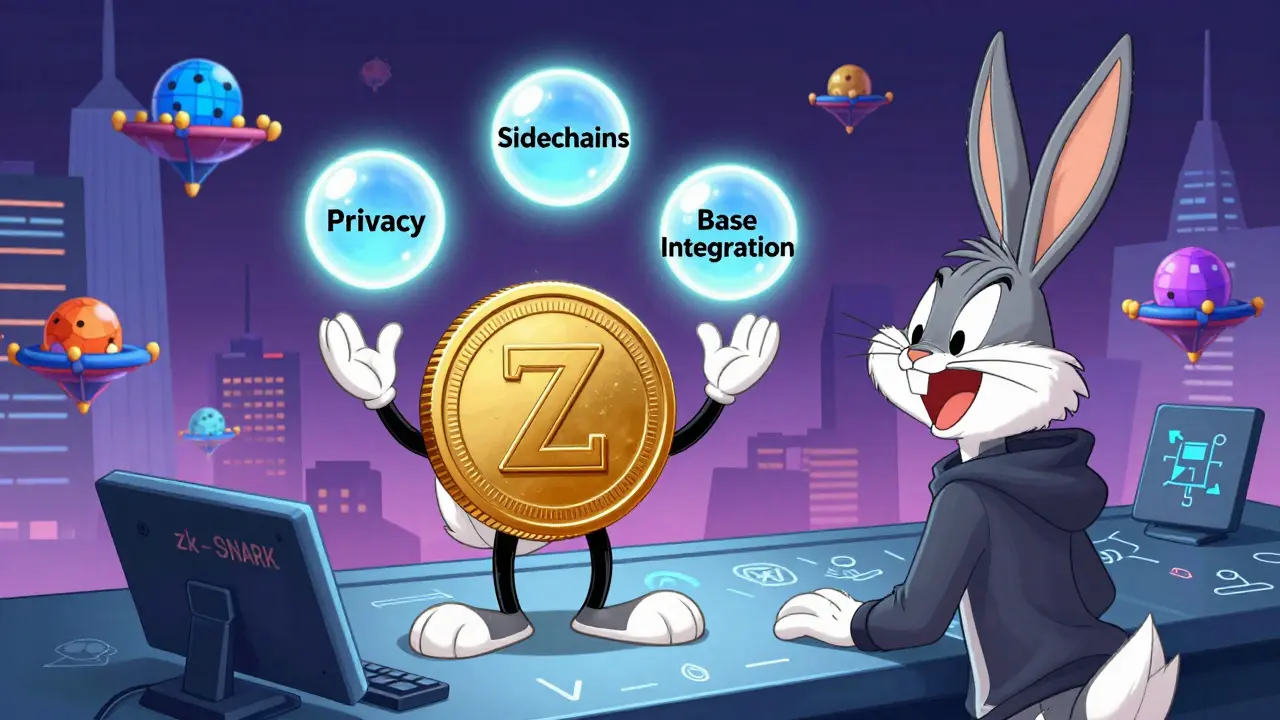
Most people think of Bitcoin when they hear "privacy coin." But there's another player quietly building something different - Horizen (ZEN). It’s not just another anonymous cryptocurrency. Horizen is a full blockchain platform built around privacy, but with a twist: it’s designed to work inside regulated finance, not outside it. If you’ve heard of Zcash or Monero, you’ve heard of privacy tech. Horizen takes that same idea and turns it into a toolkit for developers, institutions, and everyday users who want control over their data - without breaking the law.
What Exactly Is ZEN?
ZEN is the native token of the Horizen blockchain. It’s not a side project or a meme. It’s the fuel for an entire ecosystem that started as ZenCash in 2017 and rebranded to Horizen in 2018. Unlike many coins that launched with pre-mined supply or ICOs, ZEN was fair-launched - no insiders got a head start. All 21 million ZEN tokens will ever exist are being mined over time, just like Bitcoin. That matters because it means no single group controls the supply from day one.
But here’s what makes ZEN stand out: it’s not just a currency. It’s the backbone of a network that lets users run private transactions, build private apps, and even create their own blockchains - all while staying connected to the main Horizen chain. Think of it like Ethereum, but instead of smart contracts being public, they can be hidden behind zero-knowledge proofs.
How Privacy Works on Horizen
Horizen uses something called zk-SNARKs - short for zero-knowledge Succinct Non-Interactive Argument of Knowledge. That’s a mouthful, but here’s what it means in plain terms: you can prove you own money or made a transaction without showing who sent it, who received it, or how much was transferred. It’s like showing a receipt that says "payment approved" but hides every detail behind a cryptographic shield.
Unlike Monero, which hides all transaction data by default, Horizen lets you choose. You can send public transactions like Bitcoin, or private ones like Zcash. That flexibility is intentional. It lets users comply with regulations when needed - say, for a business reporting income - while still protecting personal privacy.
The system isn’t just about hiding numbers. It’s about proving things without revealing them. For example, a bank could use Horizen to verify a customer’s identity without storing their personal data on-chain. A gamer could prove they own a rare item in a game without exposing their entire wallet history. That’s the real power here: privacy with purpose.
The Node System: More Than Just Staking
Most coins have staking - you lock up coins and earn rewards. Horizen has something more complex: a three-tiered node system. This isn’t just passive income. It’s infrastructure.
- Regular Nodes: Anyone can run one. They help relay transactions and keep the network alive.
- Secure Nodes: These require a 42 ZEN stake, 92% uptime, and must respond to challenges within 200 seconds. They help secure the network and earn 30% of block rewards.
- Super Nodes: These are the heavy lifters. You need 500 ZEN, 96% uptime, 8GB of RAM, and 100GB of storage. They process sidechains and earn the lion’s share of rewards. Think of them as mini-data centers running on your home server.
This structure turns users into active participants. You’re not just holding ZEN - you’re helping run the network. And because rewards are split 60% to miners, 30% to node operators, and 10% to the Horizen DAO treasury, there’s a real incentive to keep things running smoothly. It’s not a lottery. It’s a job.
Zendoo: The Secret Weapon
If you’ve ever tried to build a blockchain app, you know how hard it is. You need to choose a consensus mechanism, set up nodes, handle security, and make sure it scales. Horizen’s Zendoo sidechain system changes all that.
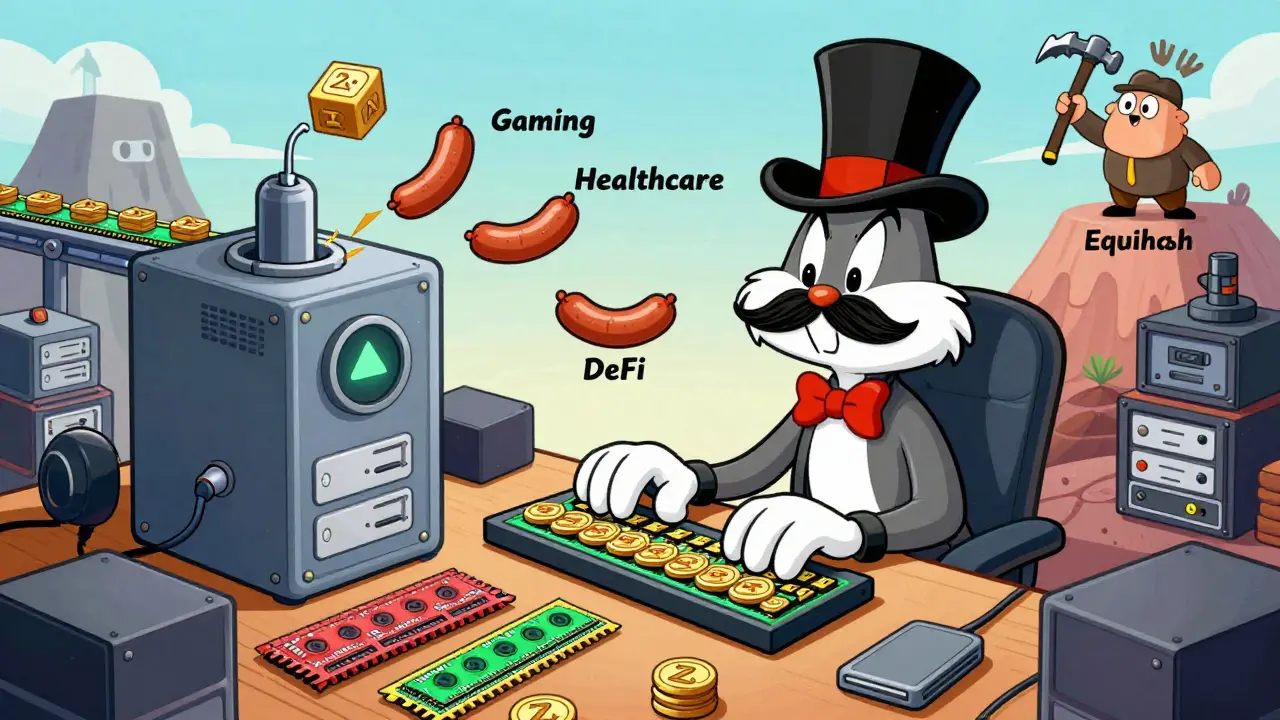
With Zendoo, developers can launch their own blockchains - with their own rules, tokens, and consensus methods - and connect them directly to Horizen’s main chain. Each sidechain operates independently but benefits from Horizen’s security and privacy tools. A gaming company could create a sidechain for in-game assets. A healthcare provider could build one for encrypted patient records. And because Zendoo supports any consensus algorithm, you’re not locked into Proof-of-Work or Proof-of-Stake. You pick what fits.
This isn’t theory. It’s live. Companies are already using Zendoo to build private DeFi apps, secure voting systems, and confidential AI training environments. The ability to create custom chains without starting from scratch is what makes Horizen more than a coin - it’s a platform.
The Base Migration: A Strategic Shift
In 2025, Horizen made a bold move: it migrated ZEN to the Base blockchain. That’s Coinbase’s Layer-2 network built on Ethereum. Why does this matter?
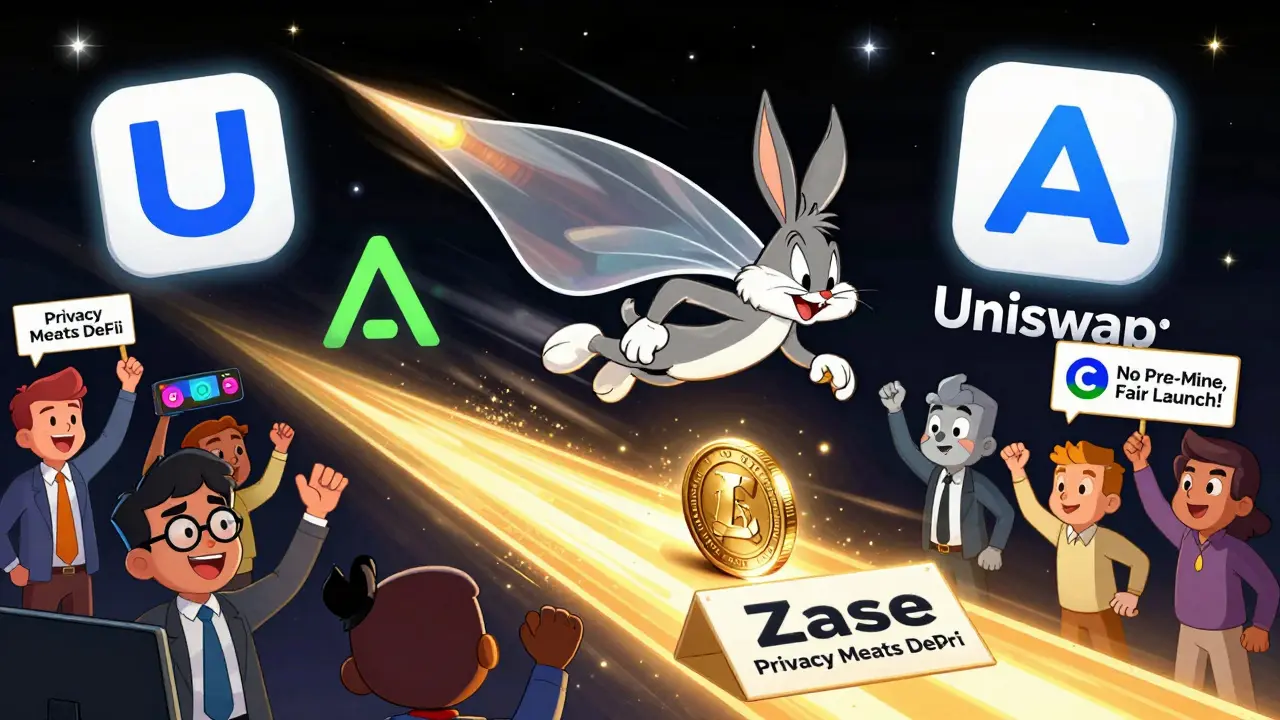
Before, ZEN was stuck on its own chain. It had privacy, but limited access to DeFi. Now, ZEN is an ERC20 token. That means you can use it on Uniswap, Aave, and other Ethereum-based apps. You can lend it, borrow it, or stake it in liquidity pools - all while keeping your transaction history private. It’s like getting a VIP pass to the biggest party in crypto, but still wearing your invisibility cloak.
This move wasn’t about chasing hype. It was about survival. Privacy coins have struggled to gain traction because they’re isolated. Horizen didn’t want to be another forgotten altcoin. It wanted to be part of the future. By joining Base, it unlocked access to millions of users, billions in liquidity, and real-world use cases.
Who Uses Horizen Today?
You won’t see Horizen on mainstream news. It doesn’t have celebrity endorsements or TikTok trends. But it has a quiet, technical following.
- Node Operators: People who run Secure and Super Nodes because they like the passive income and enjoy the technical challenge.
- Developers: Those building privacy-first apps in DeFi, gaming, and enterprise tools.
- Institutional Investors: Grayscale offers a Horizen Trust, letting qualified investors gain exposure without directly handling crypto.
- Privacy Advocates: Users who want control over their financial data but don’t want to break the law.
The Sphere app - available on Mac, Windows, and Linux - is the main interface for managing ZEN. It handles wallets, messaging, and transaction history. It’s not flashy, but it’s solid. For users who care about privacy, it’s enough.
Market Position and Future Outlook
As of March 2026, ZEN trades around $7.71. It’s ranked #306 among all cryptocurrencies. That’s low. But rankings don’t tell the whole story.
Compare it to Monero, which has a market cap 15x larger but no sidechain system. Or Zcash, which has the same privacy tech but no node rewards or institutional access. Horizen’s edge isn’t in popularity - it’s in structure. It’s the only privacy coin that combines:
- Zero-knowledge privacy
- Flexible sidechains (Zendoo)
- Node-based incentives
- Regulatory-compliant DeFi access via Base
Experts predict ZEN could hit $56 by 2030. That’s a big jump. But it’s not magic. It’s based on one simple idea: as governments crack down on anonymity, demand will grow for privacy that’s legal, verifiable, and scalable. Horizen is building that.
Can You Start Using ZEN Today?
Yes - and you don’t need to be a coder.
- Buy ZEN: You can trade it on Coinbase, Binance, Uniswap, and Aerodrome. Just swap your USDT or ETH for ZEN.
- Store ZEN: Use the official Sphere wallet or any ERC20-compatible wallet (like MetaMask) since ZEN is now an ERC20 token.
- Run a Node: If you have a decent PC, 500 ZEN, and 24/7 internet, you can run a Super Node. It’s not easy, but it pays.
- Use DeFi: Deposit ZEN into a liquidity pool on Uniswap and earn fees - all while keeping your trades private.
The barrier to entry is low for users. High for builders. And that’s exactly how it should be.
Is Horizen (ZEN) a good investment?
Whether ZEN is a good investment depends on what you’re looking for. If you want a coin that will spike overnight, probably not. But if you believe in privacy-focused infrastructure that integrates with regulated finance, then ZEN has real potential. Its unique combination of sidechains, node rewards, and ERC20 compatibility gives it a long-term edge over pure privacy coins. The price is still low, and the tech is solid. But like all crypto, it’s risky.
How is Horizen different from Zcash?
Both use zk-SNARKs for privacy, but Horizen goes further. Zcash is mostly a payment network. Horizen is a full blockchain platform with sidechains (Zendoo), a node reward system, and now, integration with Ethereum via Base. Horizen also has a fair launch and no pre-mine, while Zcash had a founder’s reward. Horizen is designed for developers and institutions - not just send-and-receive transactions.
Can I mine ZEN on my home PC?
Yes, but only if you have a powerful GPU. ZEN uses the Equihash algorithm, which is ASIC-resistant, so mining is still possible with high-end graphics cards. However, profitability depends on electricity costs and mining difficulty. Most miners now use dedicated rigs. For casual users, buying ZEN on an exchange is more practical than mining.
What’s the difference between a Secure Node and a Super Node?
A Secure Node requires a 42 ZEN stake and helps secure the main chain. A Super Node requires 500 ZEN, more hardware (8GB RAM, 100GB storage), and runs Zendoo sidechains. Super Nodes earn more rewards and are critical for expanding the ecosystem. Think of Secure Nodes as network guards and Super Nodes as data centers that host custom blockchains.
Is Horizen legal to use?
Yes, as long as you follow local laws. Horizen’s privacy features are optional - you can choose to send public or private transactions. This design helps it comply with anti-money laundering regulations. Institutions like Grayscale offer regulated access to ZEN, which wouldn’t be possible if the coin were purely anonymous. The platform encourages compliance, not evasion.
Eva Gupta
March 4, 2026 AT 23:07Nancy Jewer
March 6, 2026 AT 11:01prasanna tripathy
March 8, 2026 AT 04:53James Burke
March 8, 2026 AT 07:33Rachel Rowland
March 9, 2026 AT 20:07Bonnie Jenkins-Hodges
March 10, 2026 AT 16:09Melissa Ritz
March 11, 2026 AT 22:28jack carr
March 12, 2026 AT 01:00jay baravkar
March 13, 2026 AT 00:40Austin King
March 13, 2026 AT 12:52Bryanna Barnett
March 14, 2026 AT 14:17Josh Moorcroft-Jones
March 14, 2026 AT 17:42Cerissa Kimball
March 15, 2026 AT 01:04Jane Darrah
March 15, 2026 AT 08:22Denise Folituu
March 17, 2026 AT 00:47Ian Thomas
March 17, 2026 AT 17:37Lydia Meier
March 18, 2026 AT 14:10Nash Tree Service
March 19, 2026 AT 16:44Ken Kemp
March 21, 2026 AT 02:21Jonathan Chretien
March 22, 2026 AT 09:24Jackson Dambz
March 23, 2026 AT 16:42Jesse VanDerPol
March 23, 2026 AT 17:54jonathan swift
March 24, 2026 AT 20:22Datta Yadav
March 25, 2026 AT 10:10Basil Bacor
March 25, 2026 AT 19:54