
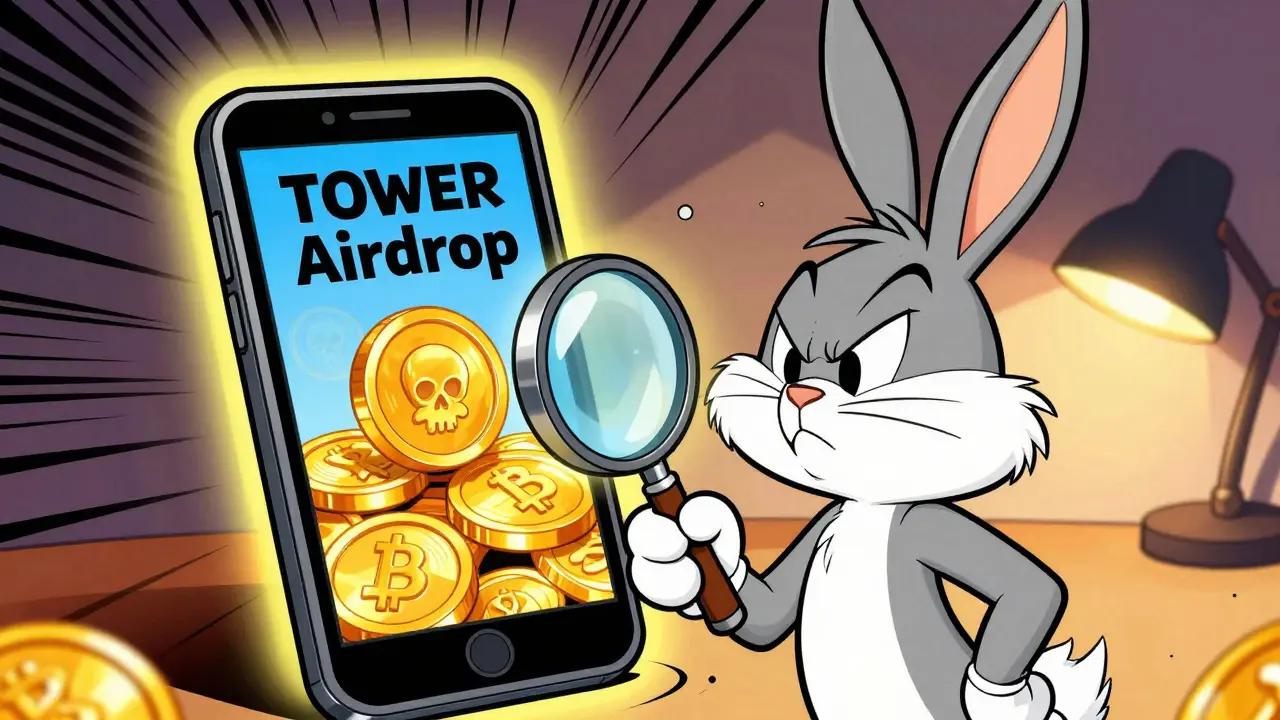
You’ve seen the tweets. You’ve scrolled past the Discord messages promising free tokens from "TOWER." The hype is loud, the potential rewards sound juicy, and your wallet is ready. But here’s the hard truth: as of mid-2026, there is no credible evidence of a legitimate project named "TOWER" running an official airdrop. In fact, searching for "TOWER airdrop details" often leads straight into the teeth of sophisticated phishing campaigns designed to drain your assets.
In the crypto world, silence can be louder than noise. When a major project is preparing for a token generation event (TGE) or an airdrop, they don’t whisper. They announce it on verified channels. If you are looking for information on a specific "TOWER" protocol, you are likely dealing with one of two scenarios: either it is a brand-new, unverified experiment with high risk, or more likely, it is a scam mimicking the name of established infrastructure projects. This guide will help you distinguish between real opportunities and digital traps, ensuring you don’t lose money chasing ghosts.
The Anatomy of a Fake Airdrop
Scammers are getting smarter. They don’t just send you a link and hope you click it blindly anymore. They build entire ecosystems of deception. Understanding how these fake airdrops operate is your first line of defense. Let’s break down the typical lifecycle of a fraudulent campaign like the alleged "TOWER" drop.
It usually starts with social engineering. You might see a tweet from an account that looks almost identical to a real project-same logo, similar handle, maybe even stolen profile pictures. These accounts pump out posts about "early access" or "whitelist spots." They create urgency. "Only 100 spots left!" "Claim before midnight!" Fear of missing out (FOMO) is their primary weapon.
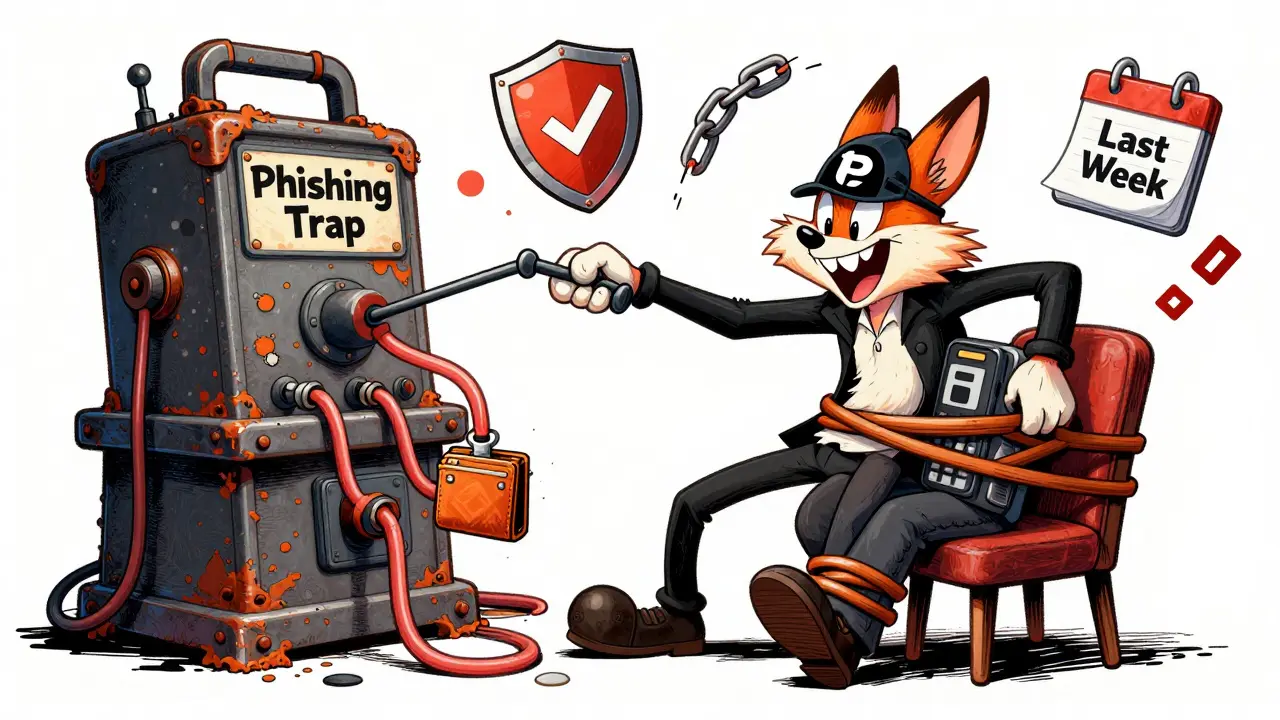
Once you click the link, you land on a website that mirrors the design of legitimate DeFi platforms. It uses professional graphics, clean code, and convincing language. The site asks you to connect your wallet. Here is where the trap snaps shut. The connection request isn’t just asking for read-only access; it’s requesting permission to spend your tokens or approve unlimited transactions. Once you sign that transaction, the smart contract behind the scene executes a transfer of your assets to the attacker’s address. There is no TOWER token waiting for you. Only empty wallets.
Another common tactic involves "gas fee" scams. The site tells you need to pay a small amount of ETH or SOL to "unlock" your airdrop claim. Remember this rule: legitimate airdrops never require you to send funds to receive them. If you have to pay to get paid, it is a scam. Period.
How to Verify Legitimate Crypto Projects
Before you interact with any platform claiming to offer a TOWER airdrop-or any other new token-you must perform due diligence. This process takes five minutes but can save you thousands of dollars. Here is a step-by-step checklist to verify if a project is real.
- Check Official Social Channels: Go directly to the project’s official Twitter (X), Discord, or Telegram. Do not use links provided in search results or DMs. Look for pinned posts or announcements regarding token distribution. If the official channel says nothing about an airdrop, assume it doesn’t exist.
- Verify Domain Ownership: Use tools like Whois to check when the website domain was registered. If a project claims to be years old but the domain was registered last week, run away. Legitimate protocols use domains they have owned for a long time.
- Audit Smart Contracts: Does the project have a public audit from reputable firms like CertiK, Trail of Bits, or OpenZeppelin? If you can’t find an audit report on their official documentation page, do not connect your wallet.
- Search Community Sentiment: Look for discussions on Reddit or independent crypto news sites. Are real users talking about the tech, or is everyone just shouting "to the moon" and posting referral links? Hype without substance is a red flag.
- Use Block Explorers: If they claim a token exists, check Etherscan, Solscan, or BscScan. Can you find the contract address? Is there liquidity? Or is the contract locked by a single owner who can rug pull at any moment?
If the "TOWER" project cannot pass these basic checks, it is not worth your time. In 2026, the barrier to entry for creating a fake token is zero. The barrier to verifying legitimacy is low, but it requires effort. Put in that effort.
Understanding Token Distribution Models
To spot a scam, you need to understand how real projects distribute tokens. Legitimate airdrops follow specific economic models designed to reward early adopters and ensure decentralization. They don’t just give tokens to random people because they feel generous.
Most genuine airdrops fall into three categories:
- Retroactive Airdrops: These reward users who interacted with the protocol before the token launch. For example, if you used a bridge or a DEX in 2023, you might get tokens later. This requires historical on-chain data verification. If a "TOWER" airdrop asks you to fill out a form rather than checking your wallet history, it is suspicious.
- Bounty Campaigns: These require active participation. You might need to join Discord, translate documents, or create content. While legitimate, these are work-for-reward schemes, not free money. Be wary of bounties that ask for private keys or seed phrases.
- Holder Airdrops: These target users who hold specific NFTs or tokens. For instance, holding a Bored Ape Yacht Club NFT might qualify you for certain drops. Verification happens automatically through smart contracts, not manual forms.
If the "TOWER" airdrop promises massive returns for simply clicking a button or connecting a wallet without prior interaction, it violates standard economic incentives. Real projects want engaged users, not bots. They structure distributions to align long-term interests. Anything else is a pump-and-dump scheme in disguise.
Protecting Your Wallet in 2026
Even if you avoid obvious scams, the threat landscape evolves. In 2026, attackers use advanced techniques like cross-chain exploits and malicious browser extensions. Protecting your assets goes beyond just avoiding bad links. You need a robust security hygiene routine.
First, separate your funds. Never keep your life savings in the same wallet you use for testing new protocols or claiming airdrops. Use a "burner" wallet for high-risk activities. Keep your main holdings in a cold storage device like a Ledger or Trezor. If a burner wallet gets drained, your core portfolio remains safe.
Second, manage permissions carefully. Tools like Revoke.cash allow you to view and revoke approvals granted to smart contracts. Regularly audit your connected apps. If you see an approval for a contract you don’t recognize or no longer use, revoke it immediately. Unlimited approvals are a ticking time bomb.
Third, enable multi-signature requirements for large transactions. If you are serious about crypto, consider using a multi-sig wallet like Safe (formerly Gnosis Safe). This requires multiple keys to authorize a transaction, making it nearly impossible for a single compromised device to steal your funds.
| Action | Why It Matters | Tool/Method |
|---|---|---|
| Use a Burner Wallet | Isolates risk from main holdings | MetaMask secondary profile, Rabby |
| Revoke Approvals | Prevents unauthorized token transfers | Revoke.cash, Etherscan Token Approval |
| Verify URLs | Avoids phishing sites | Official social media links only |
| Check Contract Audits | Ensures code safety | CertiK, Hacken, Project Docs |
| Never Share Seed Phrase | Seed phrase = full control | Common sense, hardware wallets |
Legitimate Alternatives to Watch in 2026
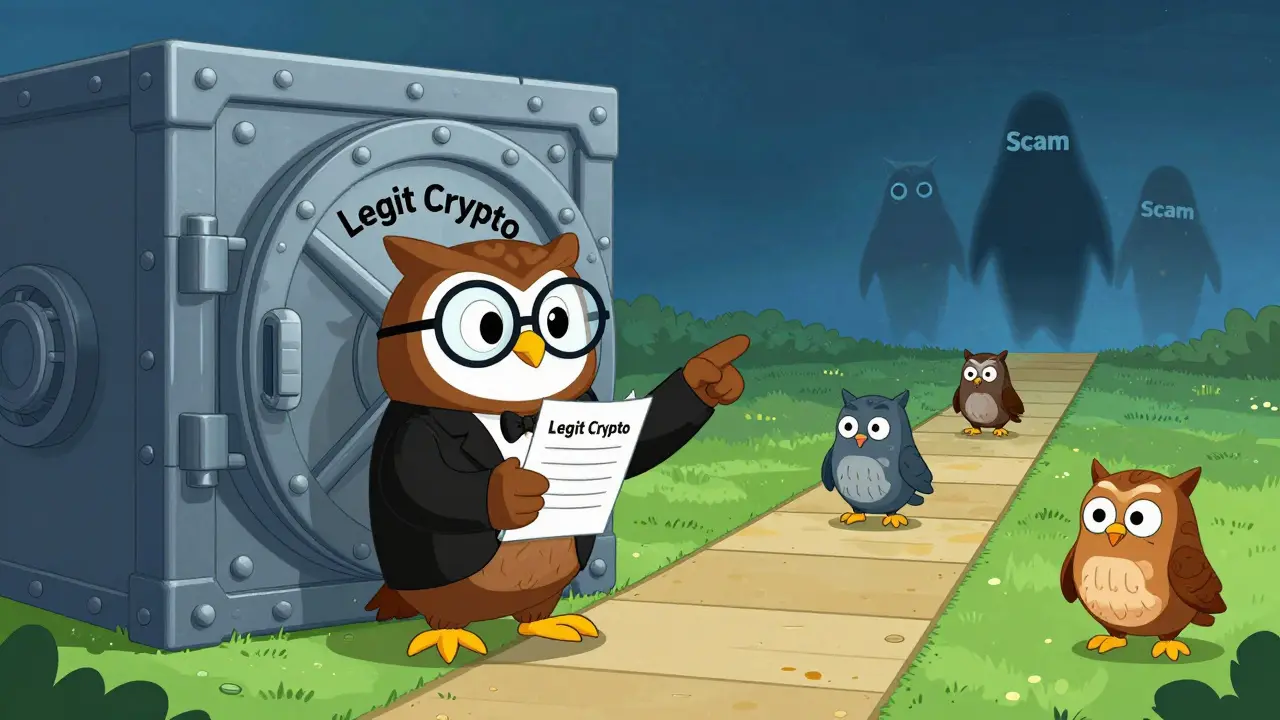
If you are hunting for airdrops because you want to participate in early-stage crypto growth, you don’t need to chase phantom projects like "TOWER." There are established protocols with transparent roadmaps and active communities that offer genuine opportunities. Instead of risking your capital on unknown entities, focus on ecosystems with proven track records.
For example, Layer 2 solutions like Arbitrum and Optimism have historically rewarded early users. Interacting with their native DeFi protocols, bridging assets, and providing liquidity can position you for future retroactive drops. Similarly, AI-integrated blockchains and decentralized physical infrastructure networks (DePIN) are hot sectors in 2026. Projects in these spaces often distribute tokens to incentivize network usage and data contribution.
Look for projects that publish clear tokenomics. They should explain how many tokens exist, what percentage is allocated to the community, and how vesting schedules work. Transparency builds trust. If a project hides its team identity or refuses to disclose its treasury management, treat it with extreme caution.
Engage with the community authentically. Join Discords, attend AMAs (Ask Me Anything sessions), and provide constructive feedback. Developers notice active, thoughtful participants. Sometimes, the best "airdrop" isn’t a token drop, but an invitation to become a contributor or advisor, which carries far more long-term value.
What To Do If You’ve Already Interacted
Did you already connect your wallet to a suspicious "TOWER" site? Don’t panic, but act fast. Time is critical. First, disconnect the wallet from the site immediately. Then, move all remaining assets from that wallet to a new, secure wallet. Do not leave any funds in the compromised wallet, even if it seems empty. Attackers can sometimes drain small amounts of gas fees or exploit lingering approvals.
Next, go to Revoke.cash and connect the compromised wallet. Check for any active approvals. Revoke every single one, especially those granting unlimited spending power. This cuts off the attacker’s ability to move your tokens in the future.
If you shared your seed phrase or private key, assume the wallet is lost forever. Generate a new seed phrase on a trusted hardware wallet or offline generator. Never reuse old credentials. Report the incident to relevant authorities if significant funds were lost, though recovery chances are slim. Treat this as a learning experience and tighten your security protocols moving forward.
Is there a legitimate TOWER cryptocurrency airdrop in 2026?
As of mid-2026, there is no widely recognized or verified legitimate project named "TOWER" conducting an official airdrop. Most references to "TOWER airdrop" are associated with phishing scams or unverified speculative projects. Always verify via official channels before participating.
How can I tell if an airdrop website is fake?
Fake airdrop sites often have recently registered domains, poor grammar, and pressure tactics like "limited spots." They may also ask for upfront payments or excessive wallet permissions. Legitimate projects use verified social media links and provide clear audit reports.
Should I pay gas fees to claim an airdrop?
No. Legitimate airdrops never require you to send funds to receive tokens. If a site asks you to pay a "claim fee" or "verification tax," it is a scam. You only pay gas fees for interacting with the blockchain, not for receiving free tokens.
What should I do if I connected my wallet to a scam site?
Immediately disconnect the wallet, move all remaining funds to a new secure wallet, and revoke all token approvals using tools like Revoke.cash. If you shared your seed phrase, generate a new one and consider the old wallet compromised.
Are retroactive airdrops still common in 2026?
Yes, but they are more selective. Projects now focus on rewarding high-quality users who contributed to network activity, such as trading volume or liquidity provision, rather than giving tokens to everyone. Interaction history is key.