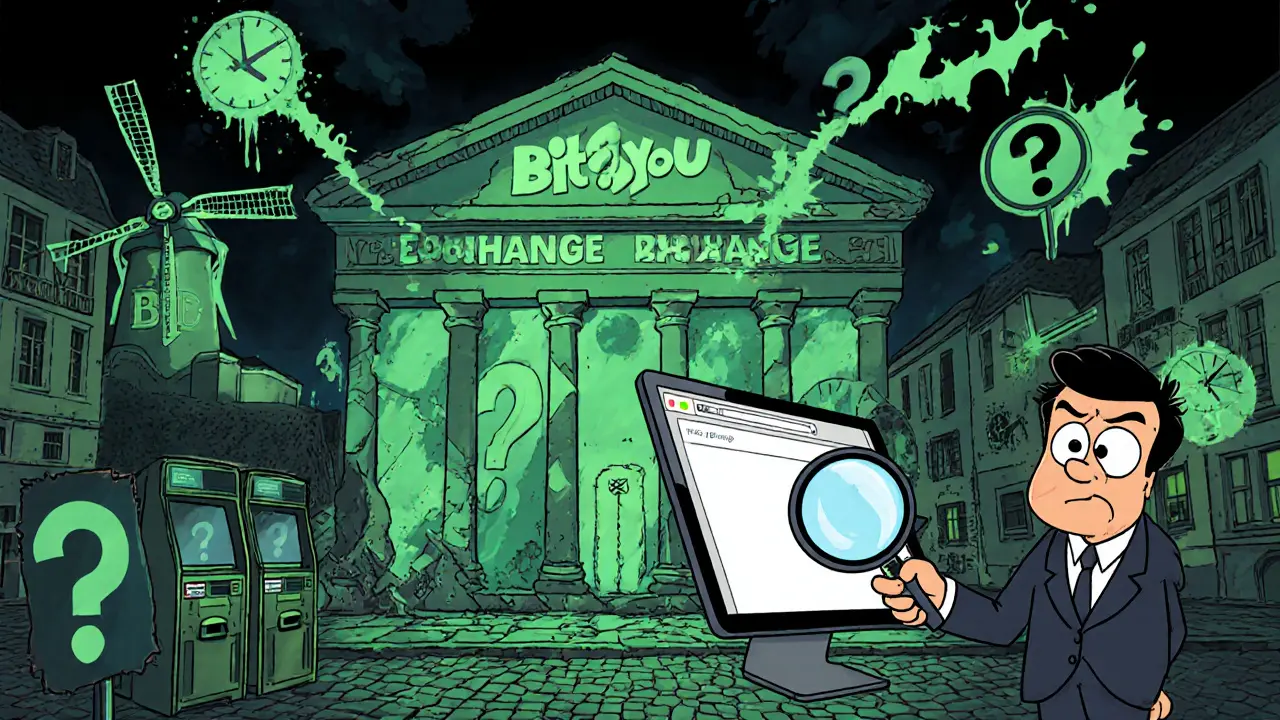
MiCA Regulated Exchange: What It Means for Your Crypto Trades
When you hear MiCA regulated exchange, a crypto platform that follows the European Union’s Markets in Crypto-Assets Regulation. Also known as MiCA compliance, it means the exchange has passed strict rules on security, transparency, and customer protection—no more guessing if your funds are safe. This isn’t just a buzzword. Starting in 2024, any exchange serving EU customers must be licensed under MiCA, and many global platforms are adapting to stay legal everywhere.
That’s why you’re seeing big names like Binance and Kraken now offering EU-specific versions of their platforms. These aren’t just geo-blocked sites—they’re fully licensed entities with segregated client funds, regular audits, and clear terms. Behind the scenes, MiCA forces exchanges to prove they’re not just tech startups but real financial institutions. It also cracks down on fake tokens and hidden fees. If a platform says it’s MiCA regulated, you can check its license number on the ESMA website. No license? That’s a red flag.
And it’s not just about safety. MiCA also changes what you can trade. Stablecoins like USDT and USDC now need official approval before being offered to EU users. DeFi protocols? They’re being mapped out too. You’ll see fewer obscure tokens and more clear disclosures about risks. This is why posts here cover exchanges like Aster and Echobit—not because they’re flashy, but because their compliance status tells you whether they’re built to last. Meanwhile, unregulated platforms like GIBXChange or EvmoSwap keep popping up, promising high returns but offering zero legal backup. MiCA is the filter that separates the real from the risky.
For traders outside the EU, this matters too. When a global exchange follows MiCA, it raises the bar for everyone. Security standards, cold storage rules, and customer support protocols that started in Europe are now becoming the new global norm. You don’t need to live in Frankfurt to benefit from stricter rules. And if you’re holding tokens on a platform that refuses to comply, you’re taking a gamble no regulation should let you make.
Below, you’ll find real reviews and deep dives into exchanges that either meet MiCA standards or fail them badly. Some are licensed. Some are scams hiding behind fake claims. Others are trying to adapt. You’ll see what’s changing, what’s staying the same, and what you should avoid at all costs. No fluff. Just facts that help you trade smarter.