Legitimate Crypto Exchanges 2025: Safe Platforms, Regulations, and How to Avoid Scams
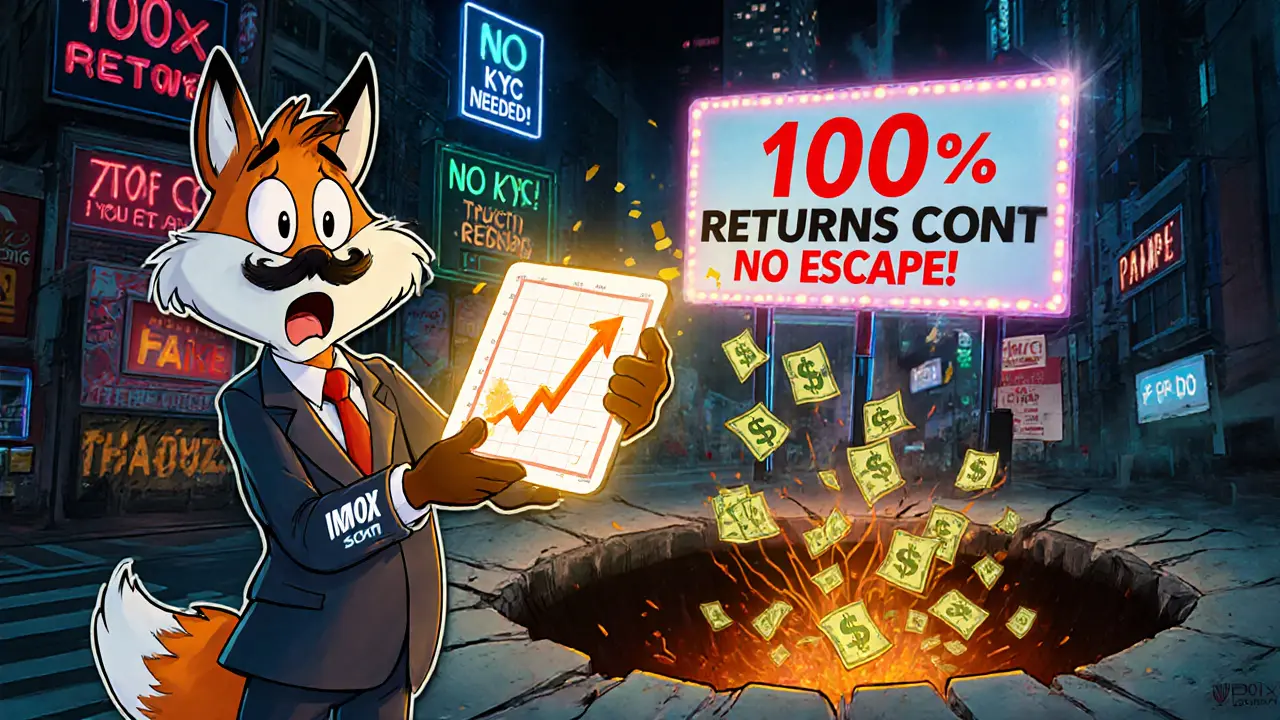
When you're looking for legitimate crypto exchanges 2025, regulated, transparent platforms where you can buy, sell, and store crypto without risking your funds. Also known as trusted crypto platforms, these exchanges follow local laws, publish proof of reserves, and have real customer support—not just fake testimonials and countdown timers. The crypto world is full of lookalikes: exchanges that copy Binance’s logo, promise 100x returns, or claim to be based in the EU but have no license. In 2025, the difference between a safe exchange and a scam isn’t just about security—it’s about legal standing, transparency, and whether the platform answers to a real regulator.
Crypto exchange regulation, the legal framework that forces exchanges to verify users, report suspicious activity, and protect customer assets. Also known as VASP compliance, it’s what separates platforms like MEXC and Aster from ghost sites like Bit4you or EvmoSwap. Countries like Nigeria and India now require exchanges to register with financial authorities. The EU’s MiCA law makes it illegal to operate without a license. Even in places like the U.S., where rules are still evolving, the SEC is actively shutting down unregistered platforms. If an exchange doesn’t mention its regulatory status, assume it’s not legit. And it’s not just about paperwork. Legitimate exchanges publish regular audits, show where customer funds are stored (cold wallets, not hot wallets), and have a track record of handling withdrawals without delays. Scams, on the other hand, vanish after a few months—or worse, they drain your wallet the second you deposit.
Unregulated crypto exchanges, platforms that operate without oversight from any government or financial body. Also known as offshore exchanges, they might offer high leverage or low fees, but they come with zero protection. GIBXChange and EOSex are examples: flashy interfaces, no licenses, and no way to recover your money if things go wrong. In 2025, these platforms are becoming harder to find simply because regulators are cracking down—but scammers are getting smarter. They now use fake news sites, influencer shills, and even fake reviews on CoinMarketCap to trick new users. If you see an exchange with no physical address, no team names, and no contact info beyond a Telegram bot, walk away.
What you’ll find below isn’t a list of top 10 exchanges. It’s a collection of real reviews—some exposing fake platforms, others explaining how to trade legally in countries like India and Nigeria, and a few showing how even big names can be risky if they ignore compliance. You’ll learn why Echobit works for pros but not beginners, why Aster’s multi-chain tech matters, and how to spot a fake airdrop that’s just a phishing trap. This isn’t theory. These are real cases, real losses, and real fixes—based on what’s happened in 2025, not what someone promised last year.