
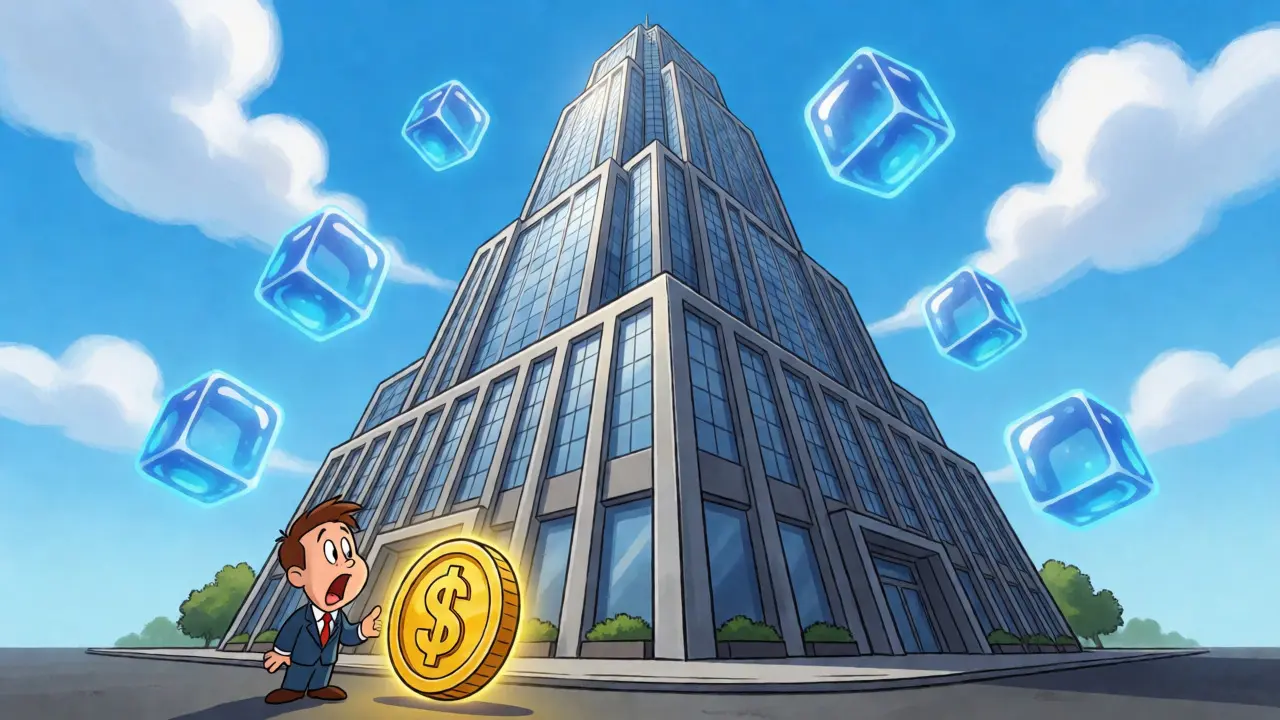
Imagine buying a slice of a Manhattan skyscraper for the price of a used car. For decades, real estate was the ultimate illiquid asset-high barrier to entry, slow to sell, and locked behind heavy legal paperwork. But that’s changing fast. Real Estate RWA Tokenization is turning physical properties into digital tokens on a blockchain, letting you own a fraction of a building without needing millions in the bank. It’s not just hype; by late 2024, the market for these tokenized assets had already surged past $13.5 billion. If you’re wondering how this works and whether it’s safe, you’re in the right place.
Key Takeaways
- Fractional Access: You can invest in high-value properties with as little as $1,000, breaking down traditional barriers to entry.
- Liquidity Boost: Unlike selling a house which takes months, tokens can be traded 24/7 on secondary markets.
- Transparency: Ownership records and dividend payments are visible on an immutable blockchain ledger.
- Regulatory Hurdles: Laws vary wildly by country, with only about 37% of global markets having clear frameworks as of 2024.
- Smart Contracts: Automated rules handle dividends and compliance, reducing the need for middlemen like brokers.
What Exactly Is Real Estate Tokenization?
At its core, Real Estate RWA Tokenization is the process of converting rights to a physical property into digital tokens on a blockchain. Think of it like an IPO for a building. Instead of one owner holding the deed, thousands of people hold tokens representing their share. Each token carries equal rights to profits (like rent) and potentially voting power on major decisions. This isn’t just a digital receipt; it’s a legally binding claim tied to a specific asset through a legal wrapper, often a Special Purpose Vehicle (SPV).
The technology relies heavily on blockchains like Ethereum, which supports ERC-20 standards for fungible tokens. These standards ensure that every token is identical and interchangeable, much like shares in a company. To keep the digital world connected to the physical one, projects use oracles like Chainlink. These tools feed real-world data-such as rental income figures or maintenance costs-into the smart contracts, ensuring the digital representation stays accurate.
How the Process Works Step-by-Step
You might think this is pure tech wizardry, but the bulk of the work happens off-chain. According to industry guides from platforms like Mintology, the process generally follows five distinct stages. First, the asset is selected. This could be a commercial office block, a residential complex, or even a development project. Next comes the legal structure. Lawyers create an SPV-a separate legal entity that owns the actual property. The tokens don’t represent the bricks and mortar directly; they represent shares in this SPV. This step is crucial because it anchors the digital token to enforceable legal rights.
Once the legal framework is set, developers mint the tokens. They write smart contracts that define the rules: who gets paid when, how transfers work, and what happens if someone sells their stake. These contracts are deployed on the blockchain. Finally, the tokens are distributed to investors via digital marketplaces. The entire process, from picking the building to listing the first token, typically takes 90 to 150 days. Most of that time is spent on due diligence, valuation, and setting up the legal entities, not writing code.
Why Investors Are Jumping On Board
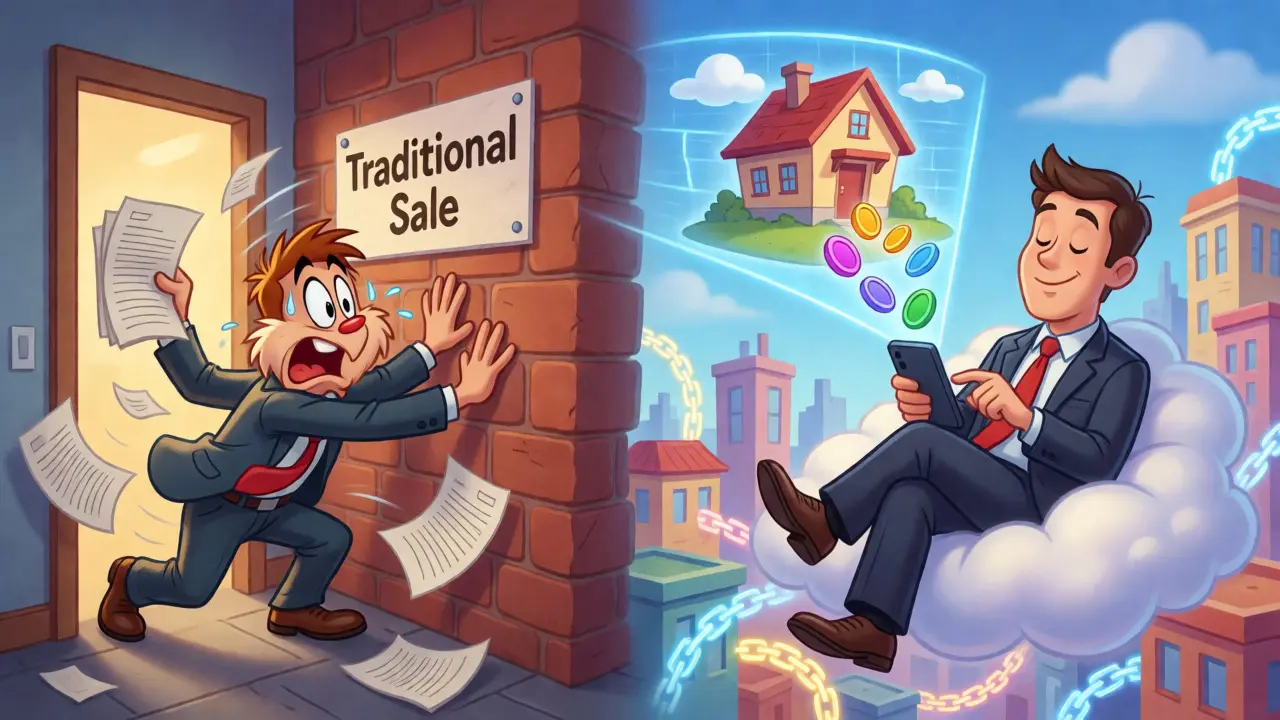
The biggest draw is accessibility. Traditional real estate investing often requires significant capital. A single commercial property might cost millions, locking out small investors. Tokenization shatters this barrier. Platforms have enabled minimum investments as low as $1,000, allowing retail investors to diversify across multiple properties globally. This democratization means you could own part of a hotel in Bali, an office in London, and an apartment in New York simultaneously, all managed through your smartphone.
Liquidity is another game-changer. Selling a physical property can take six months or more, involving agents, inspections, and financing delays. With tokenized real estate, you can list your tokens for sale on a secondary market at any time. While liquidity isn’t instant like selling stocks, it’s vastly faster than traditional methods. Plus, the transparency of blockchain reduces friction. Every transaction is recorded publicly, so you can verify ownership and see exactly where rental income is going. This cuts out some of the opaque fees associated with traditional REITs or private equity funds, where management fees can eat significantly into returns.
| Feature | Traditional Investment | Tokenized RWA |
|---|---|---|
| Minimum Investment | $100k - $1M+ | As low as $1,000 |
| Liquidity | Low (Months to sell) | Medium-High (Tradeable 24/7) |
| Transparency | Opaque, reliant on managers | High, public ledger visibility |
| Intermediaries | Brokers, lawyers, banks | Smart contracts, minimal brokers |
| Global Access | Limited by geography/regulation | Borderless trading potential |
The Legal and Regulatory Reality Check
It’s not all smooth sailing. The biggest headache for anyone entering this space is regulation. As of 2024, only about 37% of global markets have clear rules for RWA tokenization. In jurisdictions like Switzerland, Singapore, and Wyoming (USA), the laws are relatively friendly, allowing for clear title transfer and tax treatment. Elsewhere, you’re navigating a gray area. If you buy a token representing a property in a country with unclear laws, enforcing your ownership rights in court could be a nightmare.
Experts like Dr. Jane Zhang from Oxford University warn that without standardized global frameworks, we risk fragmented markets. Imagine trying to sell your token to someone in another country, only to find their local laws don’t recognize your digital proof of ownership. Additionally, most early adopters are still "accredited investors"-people with over $1 million in net worth. Retail participation is growing, hitting 32% of new investments in mid-2024, but many platforms still restrict access to avoid securities law complications. Always check if the platform complies with local securities regulations before wiring money.

Risks You Need to Watch Out For
Beyond regulation, there are practical risks. One major issue is the "lockup period." Many tokenized real estate deals require you to hold your tokens for a set time, say 90 days or a year, before you can sell them. If the market crashes during that window, you’re stuck. User reports from forums like Reddit highlight instances where investors couldn’t exit positions during volatility because no buyers were available on the secondary market.
Then there’s the technical side. While Ethereum is secure, it can get congested, leading to high gas fees for transactions. Some newer blockchains offer cheaper alternatives, but they may lack the same level of security or institutional support. Also, consider the human element. Who manages the property? If the roof leaks, does the smart contract fix it? No. You rely on a property management firm hired by the SPV. If they do a poor job, your rental yield drops, regardless of how good the blockchain tech is. Due diligence on the operational team is just as important as checking the code.
Who Should Consider This Strategy?
This isn’t for everyone. If you want quick flips or hate complexity, stick to traditional methods. However, if you’re looking for passive income with diversification benefits, tokenization shines. It’s particularly effective for commercial real estate, where large capital requirements make fractional ownership valuable. Residential properties face more challenges due to tenant management complexities, but they are gaining traction too.
Successful implementations often pair blockchain tech with established names. For instance, Securitize partnered with JLL, a global real estate services firm, to tokenize a $22 million office building in Los Angeles. This hybrid approach leverages the efficiency of blockchain for settlement and record-keeping while relying on traditional expertise for property operations. If you’re new to crypto, expect a learning curve. Experienced crypto users report understanding the mechanics in under 12 hours, but traditional investors might need 20-30 hours to grasp the legal nuances.
FAQ
Do I actually own the property when I buy a token?
Typically, no. You own a share in a Special Purpose Vehicle (SPV), a legal entity that owns the property. Your token represents equity in that SPV. This structure ensures you have legal recourse under existing corporate laws, rather than relying solely on blockchain code.
Is it hard to sell my tokens if I need cash?
It depends on the platform's liquidity. While tokens can be traded 24/7, secondary markets are still developing. You might face bid-ask spreads or limited buyers compared to stock markets. Some platforms also impose lock-up periods, preventing immediate sales.
What are the typical fees involved?
Fees vary but usually include an initial implementation fee ($75k-$250k per asset for issuers) and ongoing management fees (0.5%-2.5% annually). Investors may also pay trading fees on secondary markets and gas fees for blockchain transactions.
Which countries are best for real estate tokenization?
Switzerland, Liechtenstein, Singapore, UAE, and select US states like Wyoming currently lead due to favorable regulatory frameworks. These jurisdictions offer clearer guidelines on how digital tokens map to legal property rights.
Can I live in the property if I own a token?
Generally, no. Tokenization is primarily an investment vehicle for passive income (rental yields) and capital appreciation. It functions more like a REIT than a timeshare. You receive financial returns, not physical usage rights, unless specifically stated in the smart contract terms.