

Nigeria’s crypto scene isn’t just growing-it’s exploding. While banks still hesitate and the Naira keeps losing value, millions of Nigerians are turning to P2P crypto trading to protect their money, send cash abroad, and buy goods without waiting for approval from a bank. This isn’t a fringe trend. It’s the new normal. In 2025, over 68% of all crypto activity in Nigeria happened through peer-to-peer platforms, far above the global average of 29%. People aren’t waiting for permission. They’re building their own financial system, one transaction at a time.
Why P2P Crypto Took Off in Nigeria
It started with frustration. In 2021, the Central Bank of Nigeria banned banks from dealing with crypto businesses. Overnight, thousands of traders lost access to their accounts. But instead of giving up, people found a way around it. They started trading directly with each other-Naira for Bitcoin, Naira for USDT, Naira for any coin they could get. No bank needed. No middleman. Just two people, a chat, and a payment slip. The real driver? Inflation. By 2023, Nigeria’s inflation hit 24%. The Naira had lost more than 75% of its value against the dollar since 2016. People saw their savings vanish in months. Crypto, especially stablecoins like USDT, became a lifeline. A farmer in Kano could sell his cassava, get paid in USDT, and hold it without watching it shrink daily. A student in Lagos could receive money from a cousin in the UK without paying 8% in remittance fees. Then came the Investments and Securities Act (ISA 2025). For the first time, the Securities and Exchange Commission (SEC) became the official regulator of crypto. It wasn’t a ban-it was a rulebook. Platforms had to get licensed. They had to prove they could stop fraud. And suddenly, what was chaotic became structured. By October 2025, seven major platforms were fully licensed and operating under clear rules. Transaction volumes crossed $500 million per month. People weren’t just trading-they were trusting.The Top 7 P2P Platforms in Nigeria (2026)
Not all platforms are the same. Some are fast. Some are safe. Some are easy for beginners. Here’s what’s actually working in Nigeria right now.- Binance P2P: Still the giant. It holds about 45% of the Nigerian market. You can trade over 500 coins, pay via bank transfer, mobile money, or even airtime. Its dispute system is the most reliable-89% of users say their issues were resolved fairly. But it’s also the strictest. First-time users now face 40% longer verification times.
- Bybit: The hidden favorite. It’s not as big as Binance, but it’s faster and speaks your language. Bybit offers 24/7 support in Yoruba, Igbo, and Hausa. Traders say it processes payments 12-15% faster than global rivals. It’s also the most stable during market spikes.
- YellowCard: The educator. It charges zero trading fees and lets you deposit and withdraw Naira instantly. But what sets it apart? Over 120 tutorial videos in local languages. 85% of users finish them. It’s perfect for people who’ve never touched crypto before.
- Breet: The speed king. 98% of transactions finish in under 5 minutes. If you need cash fast-say, to pay school fees or buy fuel-this is your go-to. But it’s less flexible. Only supports a few payment methods.
- Busha: The first SEC-licensed Nigerian exchange. Offers limit orders, recurring buys, and instant swaps between 15 coins. Its mobile app has 4.6 stars from 28,500 reviews. The downside? Customer support takes 47 minutes on average during peak hours.
- Quidax: The security-first platform. Uses cold wallets, runs monthly penetration tests, and has an in-house compliance team. If you’re trading large amounts, this is your safest bet.
- Remitano: The specialist. Only supports Bitcoin, but it’s simple. Charges 0.25% per trade and works across Africa and Southeast Asia. Good for beginners who just want to buy BTC and get out.
What Users Really Care About
Most people don’t care about blockchain tech or decentralization. They care about two things: speed and safety. A 2025 survey of 1,200 Nigerian crypto users found 73% prioritize payment speed above everything else. The next biggest concern? Avoiding scams. And here’s the scary part: 42% of new users get targeted by fraudsters in their first month. Common tricks? Fake sellers who disappear after you send money. Or buyers using stolen bank accounts to pay you, then reversing the transaction. Platforms have responded. Binance’s dispute system now flags suspicious payments before they’re confirmed. YellowCard sends SMS alerts when a buyer’s account is flagged. Busha requires users to verify their phone number and email before trading. But users themselves are the weakest link. A security researcher found that 68% of Nigerians turn off two-factor authentication because SMS codes often don’t arrive. That’s a huge risk.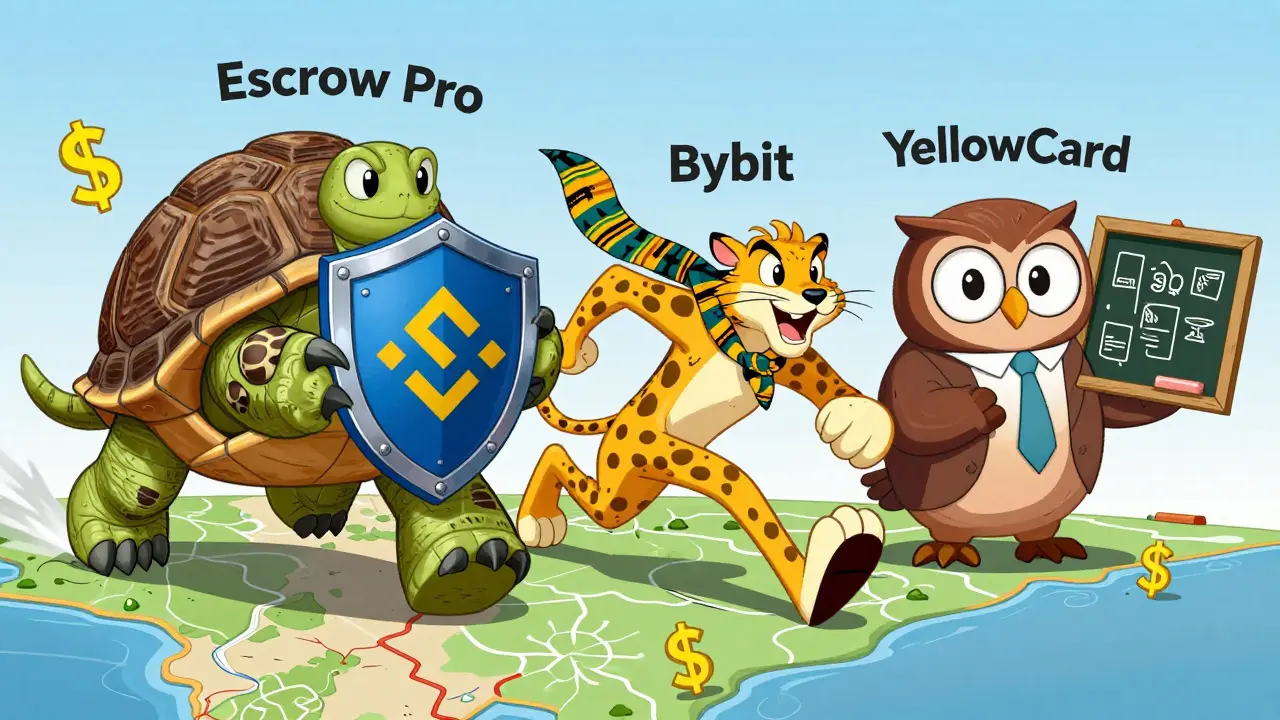
How to Trade Safely on P2P Platforms
If you’re new, here’s how to avoid losing money:- Only trade on licensed platforms. Check if the platform is listed on the SEC’s official registry.
- Never skip 2FA. Even if SMS is slow, use an authenticator app like Google Authenticator. It’s more reliable.
- Use escrow. Never send money before the crypto is locked in the platform’s escrow. If the seller says “send now, I’ll release crypto,” walk away.
- Check the seller’s history. Look at their trade volume, completion rate, and reviews. Avoid new sellers with no feedback.
- Trade in small amounts first. Test the waters with ₦5,000 before going big.
- Don’t trust WhatsApp or Telegram deals. All legitimate trades happen inside the app. Any link outside the platform is a scam.
Challenges Still Facing the Market
The boom isn’t perfect. Even the best platforms have problems. Binance had a 37-hour outage in March 2025 that froze 28,000 Nigerian users. YellowCard’s app crashed during peak hours in 43% of stress tests. Remitano only lets you trade Bitcoin-no altcoins. Busha’s support team is slow. And Quidax’s security features make it harder for beginners to move fast. Then there’s infrastructure. In rural areas, 31% of users can’t trade reliably because of poor internet or unstable power. And while the SEC is cracking down on scams, fraudsters are getting smarter. In Q2 2025, 22% of reported fraud cases involved impersonating verified sellers. The biggest threat? Regulatory uncertainty. The SEC now requires all platforms to install real-time transaction monitoring by December 31, 2025. That means more delays, more paperwork, and possibly higher fees. Some smaller platforms may not survive.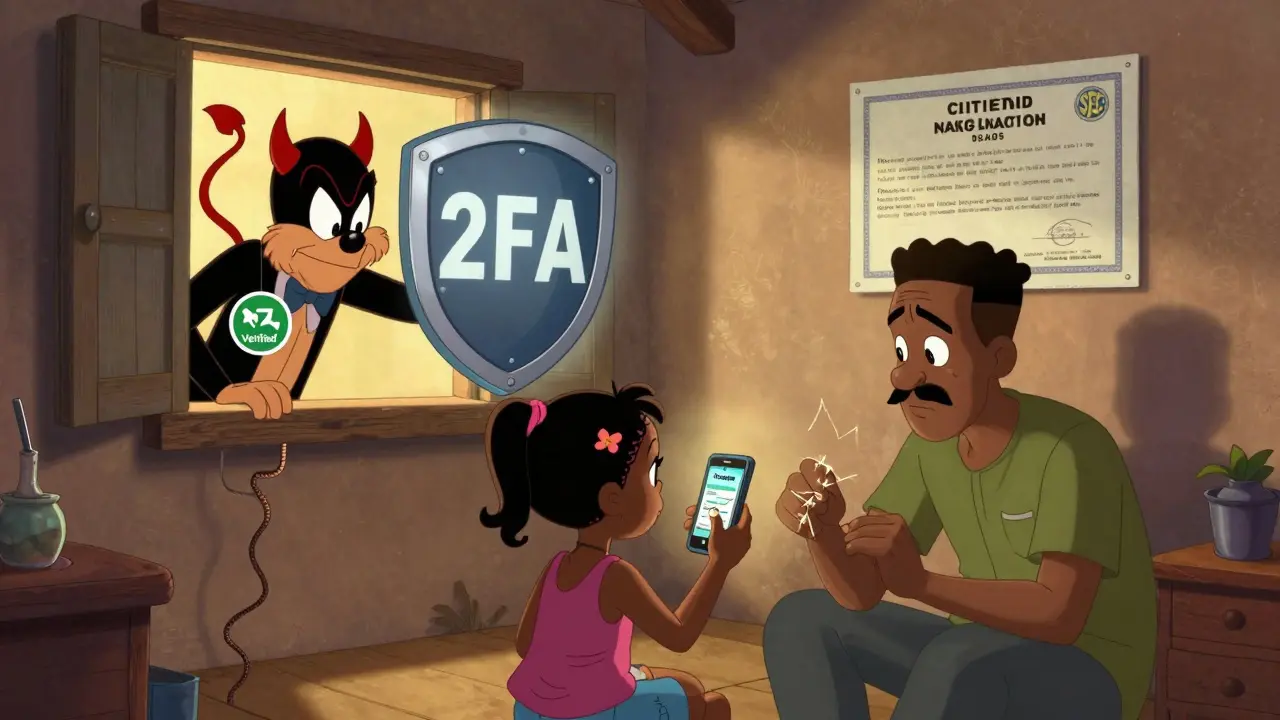
Who’s Using P2P Crypto in Nigeria?
The typical user is male, between 18 and 34, and lives in Lagos, Abuja, or Port Harcourt. 78% are men. 22% are women-but that number is rising fast as platforms like YellowCard push educational content for new users. Most people trade under ₦500,000 ($328) per transaction. They’re not day traders. They’re students, drivers, small business owners, and freelancers. They use crypto to:- Send money home without paying 8% fees
- Buy laptops, phones, or software from global sellers
- Hold savings that don’t lose value overnight
- Get paid in crypto for remote work
What’s Next for P2P Crypto in Nigeria?
The future isn’t about more users-it’s about better tools. Binance launched “Naira Direct” in August 2025, cutting transaction steps from five to two. YellowCard is expanding to five more African countries. Busha is adding automated recurring buys. Quidax is rolling out AI fraud detection. The real win? Regulation is working. Scam reports dropped 63% after ISA 2025. More people trust the system. More banks are willing to work with licensed platforms. And more Nigerians are finally seeing crypto not as a gamble-but as a tool. If you’re thinking about getting started, don’t wait for the perfect moment. Start small. Use a licensed platform. Learn the basics. And never, ever skip security.The system isn’t flawless. But it’s working. And for millions of Nigerians, it’s the only thing standing between them and financial collapse.
Is P2P crypto trading legal in Nigeria in 2026?
Yes, it’s legal-but only through platforms licensed by Nigeria’s Securities and Exchange Commission (SEC) under the Investments and Securities Act (ISA 2025). Unlicensed platforms are not protected, and trading on them carries high risk. Always check the SEC’s official registry before using any platform.
Which P2P platform is best for beginners in Nigeria?
YellowCard is the best for beginners. It has zero trading fees, instant Naira deposits and withdrawals, and over 120 free tutorial videos in local languages like Yoruba and Igbo. Its simple interface and educational focus make it ideal for people new to crypto.
Can I lose money trading crypto on P2P platforms in Nigeria?
Yes. While licensed platforms offer escrow protection, scams still happen. Common risks include fake sellers, buyers using stolen bank accounts, and users disabling two-factor authentication. Always verify the seller’s history, use escrow, and never send money before the crypto is locked in the platform’s system.
Why do some P2P trades take so long to complete?
Delays usually come from bank verification checks, especially during weekends or holidays. Some platforms also hold funds for 24-72 hours during CBN compliance reviews. Payment method matters too-mobile money is faster than bank transfers. If your trade is stuck, contact platform support immediately and avoid canceling the order yourself.
Do I need to pay taxes on P2P crypto profits in Nigeria?
Currently, Nigeria does not have a formal crypto tax law. However, the Federal Inland Revenue Service (FIRS) has signaled plans to regulate crypto gains in the near future. It’s wise to keep records of all trades-dates, amounts, and values-in case taxes are introduced later. Many users are already self-reporting profits to avoid future penalties.
What’s the minimum amount I can trade on P2P platforms in Nigeria?
Most platforms allow trades as low as ₦100 ($0.06). This makes crypto accessible even to users with very limited funds. However, smaller trades may have higher relative fees due to fixed payment processing costs. For best results, aim for trades above ₦5,000 to reduce the impact of fees.
David Zinger
January 22, 2026 AT 02:20Paru Somashekar
January 23, 2026 AT 03:50Heather Crane
January 23, 2026 AT 08:15Nathan Drake
January 25, 2026 AT 02:50Melissa Contreras López
January 26, 2026 AT 22:45Taylor Mills
January 28, 2026 AT 16:02Arielle Hernandez
January 30, 2026 AT 15:49HARSHA NAVALKAR
February 1, 2026 AT 11:06Ryan Depew
February 2, 2026 AT 01:59Nadia Silva
February 3, 2026 AT 16:20Deepu Verma
February 4, 2026 AT 01:27MICHELLE REICHARD
February 4, 2026 AT 04:38tim ang
February 5, 2026 AT 02:34Julene Soria Marqués
February 5, 2026 AT 19:47Matthew Kelly
February 7, 2026 AT 18:21Adam Fularz
February 9, 2026 AT 10:57Linda Prehn
February 10, 2026 AT 21:17Adam Lewkovitz
February 12, 2026 AT 14:41Clark Dilworth
February 13, 2026 AT 11:39Brenda Platt
February 14, 2026 AT 23:27Arnaud Landry
February 15, 2026 AT 12:00george haris
February 17, 2026 AT 08:30Mark Estareja
February 18, 2026 AT 10:32Sara Delgado Rivero
February 19, 2026 AT 07:29Athena Mantle
February 19, 2026 AT 19:30