
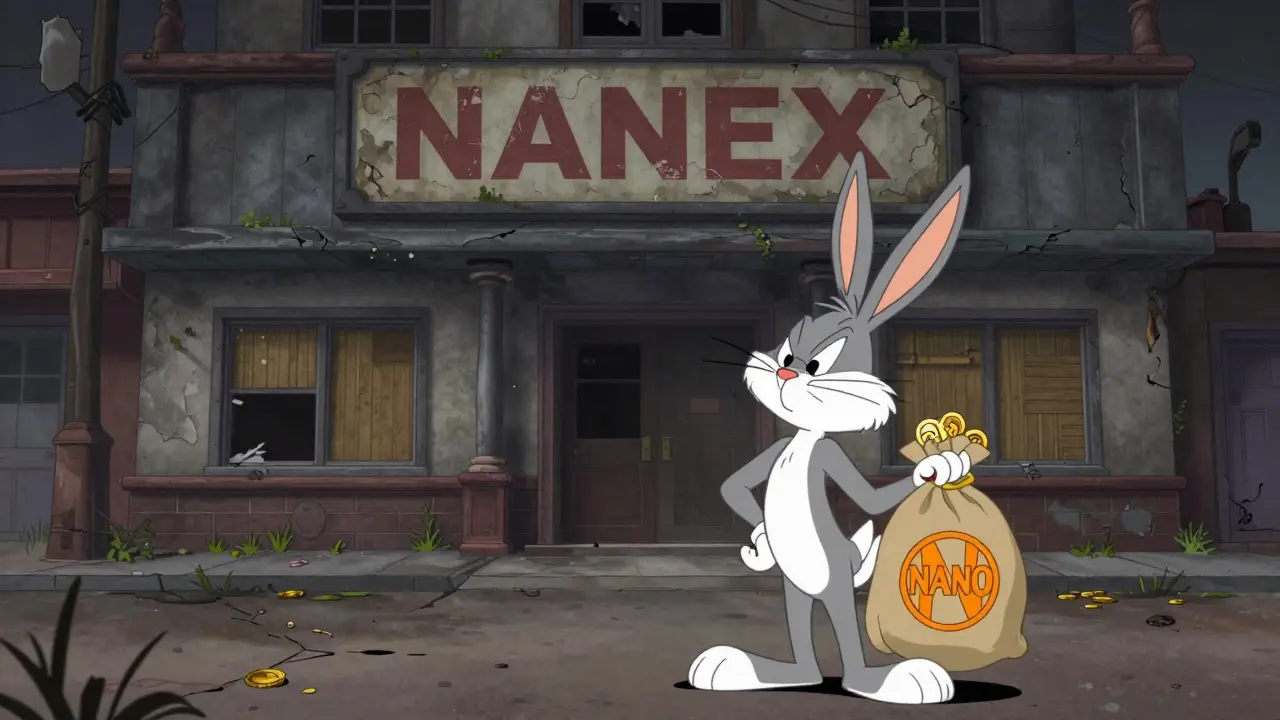
If you are looking for a place to trade Nano right now, stop reading here and go find another exchange. The reason is simple: Nanex was a specialized cryptocurrency exchange that shut down its operations on April 30, 2018. For anyone searching for this name in 2026, the platform is dead. There are no deposits, no withdrawals, and certainly no trading pairs active today.
So why does this name still pop up in search results? Because understanding what went wrong with Nanex offers a critical lesson for every crypto trader. It highlights the dangers of niche specialization, the importance of liquidity, and the red flags that appear when an exchange lacks transparency. This review isn't just about a defunct site; it's a case study on how small, specialized platforms fail in the brutal ecosystem of digital asset trading.
The Rise and Fall of a Niche Player
To understand why Nanex failed, we have to look at what it tried to be. Launched in January 2018, Nanex positioned itself as the premier hub for Nano cryptocurrency, which is known for its zero-fee, instant transactions. The marketing pitch was bold: they claimed Nano represented the "future of cryptocurrency trading" and built their entire infrastructure around it.
In theory, specializing makes sense. If you love a specific coin, you want a platform dedicated to it. Nanex offered zero fees for NANO deposits and withdrawals, which sounded too good to pass up. They listed a curated selection of other coins like Bitcoin, Ethereum, Litecoin, Monero, and smaller altcoins such as Garlicoin and Phore. But while the idea was clean, the execution lacked the one thing crypto markets cannot survive without: volume.
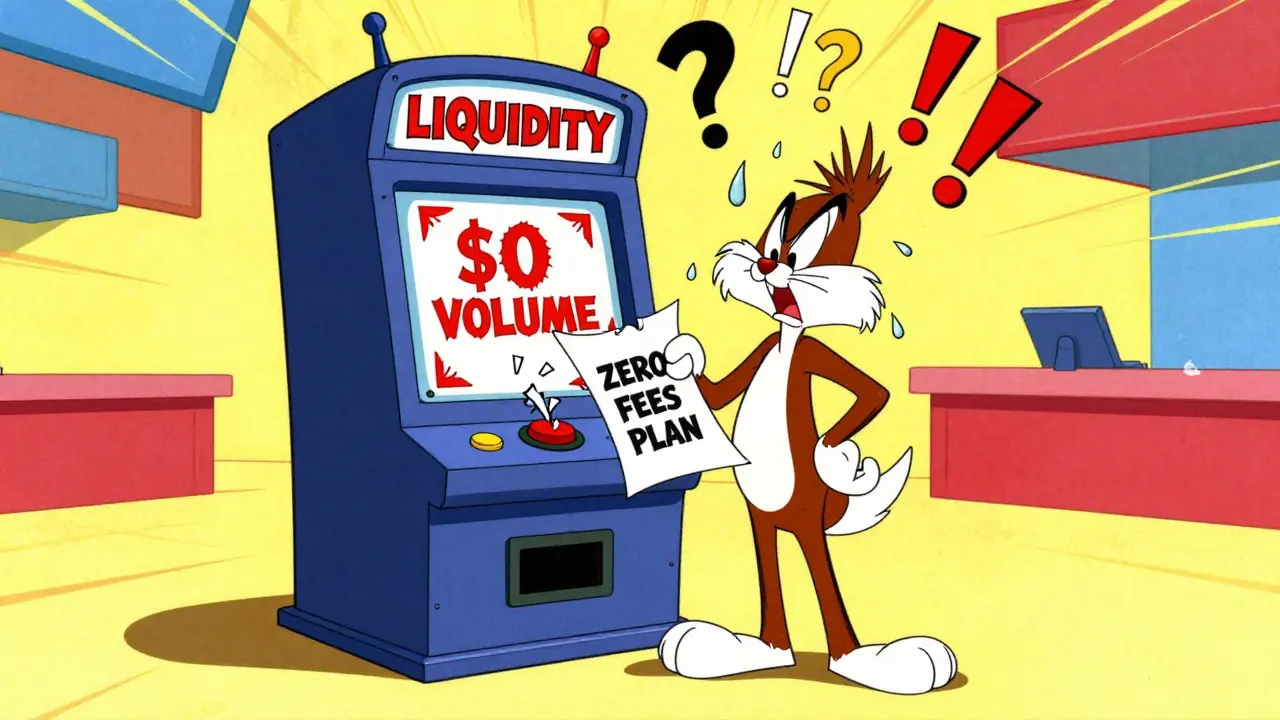
Data from CoinPaprika in the final days of its operation tells a grim story. The exchange reported a 24-hour trading volume of $0. Not low, not declining-zero. When an algorithmic assessment gives a platform a 0.00% confidence score because there is no real money moving through it, the business model has collapsed. Without traders, there is no liquidity. Without liquidity, you cannot buy or sell at a fair price. Nanex became a ghost town before it even fully opened its doors to the wider market.
Red Flags: Transparency and Security Concerns
Beyond the lack of volume, Nanex raised several eyebrows among security analysts and experienced traders. In the crypto world, trust is built on transparency. Who runs the exchange? Where is the company located? How are funds stored?
Nanex provided almost none of this information. Their website listed no corporate structure details, no physical address, and no clear explanation of how client assets were secured. This opacity is a massive red flag. If you don't know who holds your keys, you don't own your coins. While the platform did offer two-factor authentication (2FA) for user accounts-a basic but necessary security measure-the lack of backend transparency meant users had no way to verify if their funds were actually safe or if they were sitting in an unsecured wallet.
Furthermore, the regulatory landscape was becoming stricter in 2018. Nanex imposed geographical restrictions, blocking access from countries like North Korea, Iran, Syria, and others under sanctions. They also restricted US residents from New York and Washington. However, without clear documentation of their compliance efforts or licensing, these blocks felt more like an afterthought than a robust legal strategy. For a serious financial platform, regulatory clarity is non-negotiable. Nanex lacked it entirely.
User Experience and Technical Limitations
For the few users who managed to navigate to the platform, the experience was fraught with technical issues. The interface promised standard features: order books, price charts, order history, and buy/sell boxes. They even touted support for up to 100 applications and offered both desktop and mobile apps.
However, reports from users indicated that price charts were frequently missing. Imagine trying to trade without seeing where the price has been going. It’s like driving blindfolded. The desktop application was supposed to offer enhanced capabilities for serious traders, but with zero volume, those tools were useless. You can have the best charting software in the world, but if no one is buying or selling, your orders will never fill.
The mobile app offered convenience, but again, convenience means nothing if the underlying engine is broken. Users interested in NANO specifically might have flocked to Nanex initially due to the zero-fee promise, but the restricted geographical availability and limited cryptocurrency selection quickly drove them away. They needed to move their funds to larger exchanges where they could actually trade.
Comparison: Nanex vs. Modern Standards
| Feature | Nanex (Defunct) | Standard Secure Exchange |
|---|---|---|
| Status | Shut Down (April 2018) | Active & Operational |
| Trading Volume | $0 (Zero Liquidity) | High (Millions/Billions Daily) |
| Corporate Transparency | None (Anonymous Team) | Public Registry & Contact Info |
| Security Features | Basic 2FA Only | Cold Storage, Insurance, Audits |
| Asset Support | Limited (Nano-focused) | Extensive (500+ Coins) |
| Fees | Zero for NANO | Tiered Maker/Taker Fees |
This table illustrates why Nanex couldn't compete. While they offered zero fees for NANO, modern exchanges often absorb transaction costs to attract users, offering competitive rates while maintaining high liquidity and security. Nanex tried to win on price alone, ignoring the foundational pillars of trust and volume.
What Happened to User Funds?
The most pressing question for any former user is: where did my money go? When an exchange shuts down without clear communication, the outcome is rarely positive. According to CoinMarketCap, the shutdown was abrupt. There were no major news cycles announcing a merger or a strategic pivot. Just silence.
In cases like Nanex, users are advised to check official communications channels if they still exist, though chances of recovery are slim. The lack of a public team or legal entity means there is no one to sue or hold accountable. This is the ultimate risk of using unregulated, opaque platforms. Your funds become part of the exchange's balance sheet, and if the exchange vanishes, so do your assets.
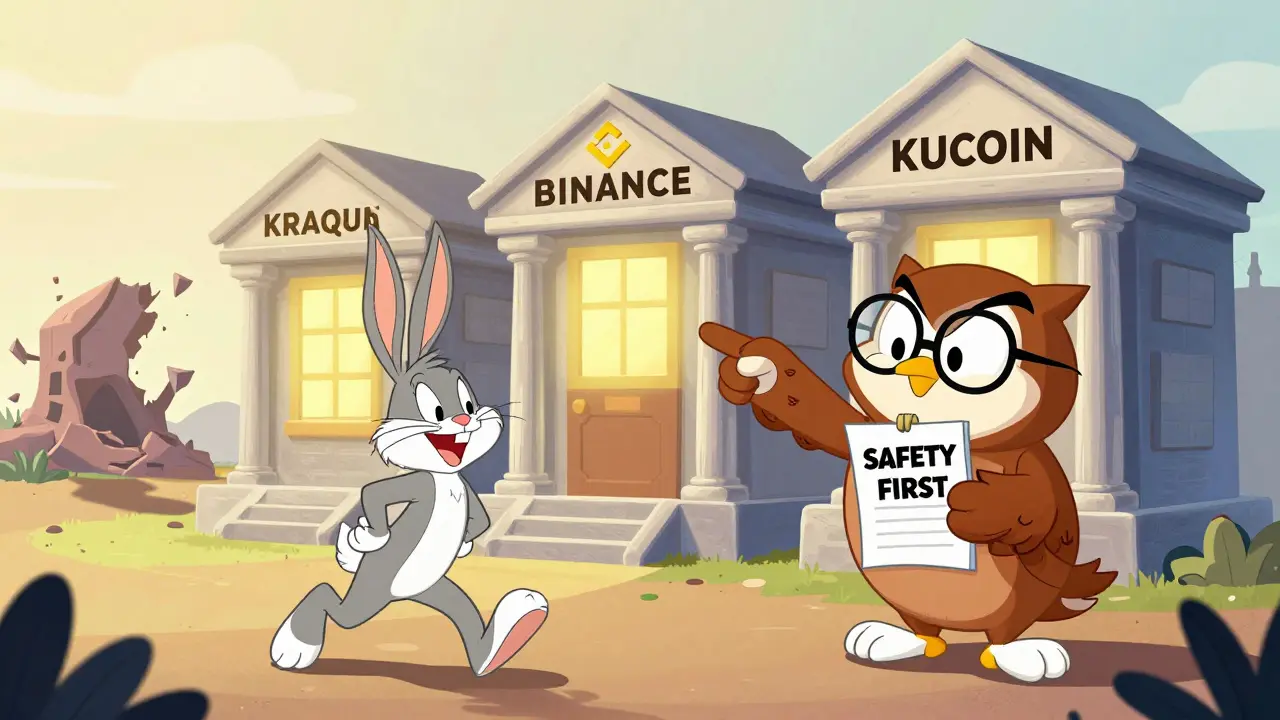
For those holding NANO today, you should use established exchanges that list Nano, such as Kraken, Binance, or KuCoin. These platforms have millions of dollars in daily volume, ensuring you can buy or sell instantly at market price. They also have public teams, regulatory licenses in various jurisdictions, and insurance funds to protect against hacks.
Lessons for Crypto Traders in 2026
Nanex serves as a cautionary tale. As you navigate the crypto market, keep these lessons in mind:
- Liquidity is King: Never trade on an exchange with low volume. Check sites like CoinMarketCap or CoinGecko to see the 24-hour volume. If it's near zero, walk away.
- Demand Transparency: Look for an "About Us" page with real names, photos, and LinkedIn profiles. If the team is anonymous, treat it as a high-risk venture.
- Check Regulatory Status: Does the exchange comply with local laws? Are they licensed? Avoid platforms that block major regions without explanation.
- Avoid Single-Coin Obsession: Specialized exchanges for single coins often fail because they lack diversification. Stick to major platforms that support your preferred coins alongside others.
- Security Beyond 2FA: Two-factor authentication is the bare minimum. Look for cold storage policies, regular security audits, and proof-of-reserves.
The crypto industry has matured significantly since 2018. The wild west era of anonymous exchanges with zero oversight is largely over. Today, investors demand professionalism, security, and reliability. Platforms that fail to deliver these basics, like Nanex, are quickly forgotten by the market.
Alternatives to Nanex for Trading Nano
If you were drawn to Nanex for its focus on Nano, you have better options today. Here are three reliable alternatives:
- Kraken: One of the oldest and most trusted exchanges, Kraken has deep liquidity for NANO and strong security records.
- Binance: The largest exchange by volume, offering extensive pairs for Nano and high ease of use.
- KuCoin: Known for listing newer and smaller altcoins, KuCoin is a great spot for NANO traders who also want exposure to other niche assets.
These platforms may charge small fees, but they provide the liquidity and security that Nanex never could. Paying a fraction of a percent in fees is a small price to pay for knowing your funds are accessible and your trades will execute.
Conclusion: Moving Forward Safely
Nanex is a relic of the early crypto boom-a time when anyone could launch an exchange with a website and a dream. That dream died when reality set in: without volume, transparency, and trust, an exchange is just a website. For traders in 2026, the lesson is clear. Do not chase zero fees if it means sacrificing safety. Choose platforms with proven track records, public leadership, and high trading volumes. Your portfolio deserves better than a ghost town.
Is Nanex crypto exchange still operational?
No, Nanex shut down on April 30, 2018. It is no longer operational, and users cannot deposit, withdraw, or trade on the platform.
Why did Nanex crypto exchange shut down?
Nanex likely shut down due to extremely low trading volumes (reported as $0), lack of liquidity, and insufficient market adoption. Its specialized focus on Nano limited its user base, and it could not compete with larger, more liquid exchanges.
Was Nanex a safe exchange to use?
Nanex had significant safety concerns. It lacked corporate transparency, did not disclose its team or location, and had minimal regulatory compliance. While it offered 2FA, the absence of backend security details made it a high-risk platform.
Where can I trade Nano safely today?
You can trade Nano safely on major, regulated exchanges like Kraken, Binance, and KuCoin. These platforms offer high liquidity, robust security measures, and transparent operations.
Did Nanex have zero trading fees?
Yes, Nanex advertised zero fees for NANO deposits and withdrawals. However, this benefit was outweighed by the risks of low liquidity, potential hidden costs, and the platform's eventual shutdown.