
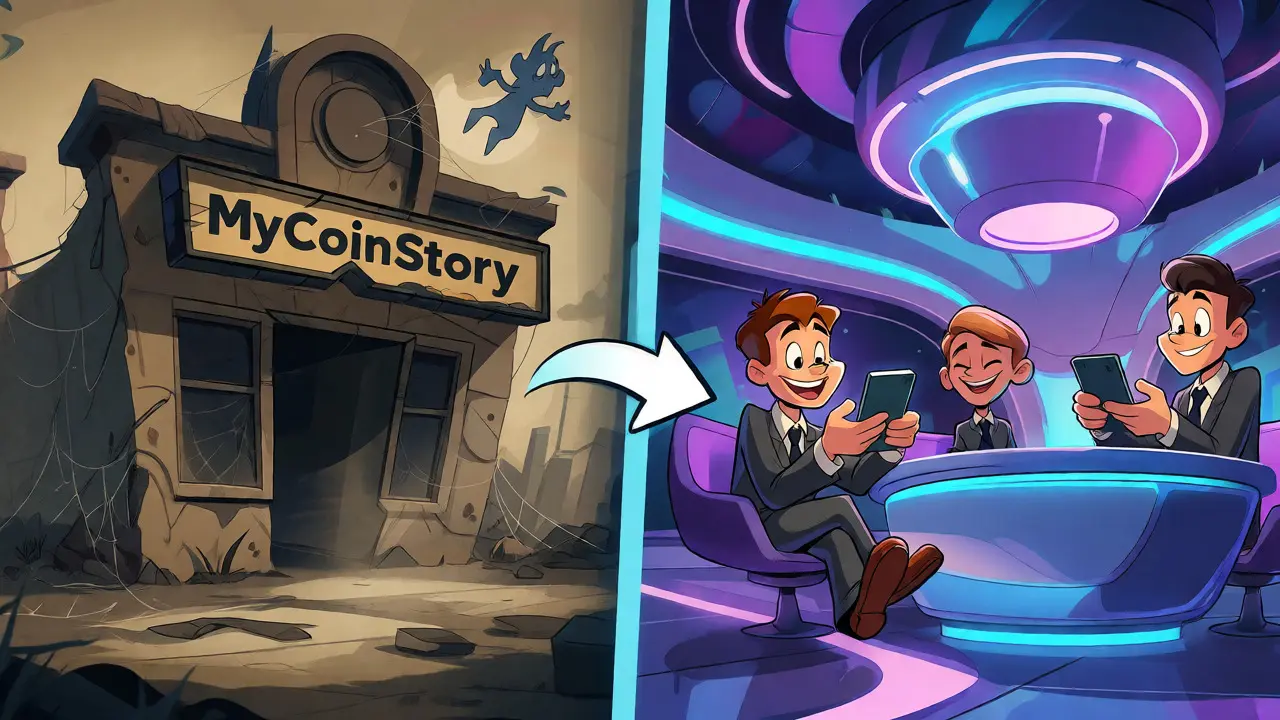
Imagine logging into your trading account to find the charts frozen, the order book empty, and support tickets vanishing into a digital void. This isn't a hypothetical nightmare for early adopters of MyCoinStory (MCS). Launched in 2020 as a specialized platform for cryptocurrency derivatives, it promised high-speed perpetual contract trading with low fees. But by 2023, data trackers showed its trading volume plummeting to zero. If you are looking at MyCoinStory today, you aren't just evaluating a new exchange; you are investigating a case study in how quickly niche platforms can fade when they fail to capture liquidity.
The Rise and Fall of a Derivatives Specialist
MyCoinStory entered the market during the 2020 bull run, positioning itself as a "next-generation" hub for perpetual contracts. Unlike generalist exchanges that tried to do everything, MCS focused on a specific niche: futures trading for altcoins like TRON's SUN and Klaytn's KLAY. They claimed to be the first to list these specific futures, which was a clever hook for traders hungry for exposure to emerging Layer-1 blockchains before major players caught up.
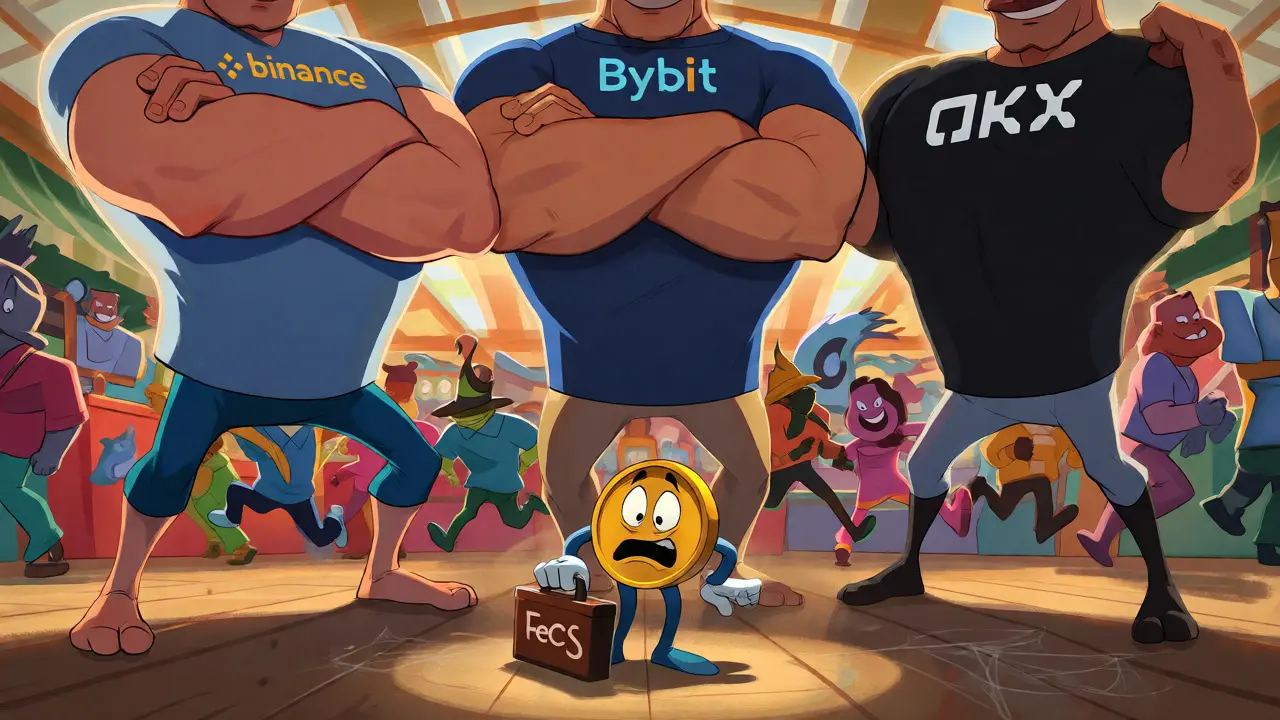
However, the definition of success in crypto exchanges is simple: liquidity. In late 2020, reports cited daily volumes hitting $100 million. By 2023, independent aggregators reported near-zero activity. What happened? The derivatives market consolidated aggressively. Giants like Binance, Bybit, and OKX expanded their altcoin listings and slashed fees, leaving little room for smaller, geographically ambiguous platforms. MyCoinStory’s lack of a mobile app further isolated it from the growing demographic of mobile-first traders.
Fee Structure and Trading Conditions
If we look back at what MyCoinStory offered when it was active, the fee structure was genuinely competitive. For those still considering similar niche exchanges, understanding these numbers helps benchmark current industry standards.
| Metric | MyCoinStory (MCS) | Industry Average | Verdict |
|---|---|---|---|
| Taker Fee | 0.04% | ~0.059% | Better than average |
| Maker Fee | 0.02% | ~0.021% | Slightly better |
| BTC Withdrawal | 0.0005 BTC | ~0.00053 BTC | Marginal savings |
| Fiat Support | None | Varies | Crypto-only limitation |
The maker/taker model encouraged providing liquidity, which is standard for derivatives exchanges. However, the absence of fiat currency pairs meant users had to convert funds elsewhere before trading. This friction point often drives users toward integrated platforms where you can buy Bitcoin with a credit card and immediately trade futures without moving assets between wallets.
Key Features That Never Took Off
MyCoinStory attempted to differentiate itself through technical features that sounded impressive on paper but lacked community adoption.
- Perpetual Contract Focus: MCS built its entire infrastructure around perpetual swaps, avoiding spot trading complexity. This streamlined the interface but limited utility for long-term holders who wanted to simply buy and hold tokens.
- Market Maker Program: In November 2020, MCS launched a program claiming to offer "the best benefits in the industry." While attractive to professional traders, small exchanges struggle to retain market makers because spreads widen significantly when retail volume drops.
- No Mobile App: This was a critical strategic error. By 2022, over 78% of crypto trades were executed via mobile devices. Requiring desktop access excluded a massive segment of the user base.
Regulatory Ambiguity and Jurisdiction
Where was MyCoinStory actually based? Sources conflict. Some listed Singapore, others Seychelles. This ambiguity is a red flag for any trader. A Seychelles registration typically implies lighter regulation but also fewer consumer protections compared to jurisdictions like the US or UK. When an exchange lacks clear regulatory oversight, users have little recourse if the platform freezes withdrawals or shuts down unexpectedly.
The lack of transparency regarding legal entity details contributed to trust issues. Established competitors publish proof-of-reserves and undergo regular audits. MyCoinStory did not maintain this level of visibility, making it harder for risk-averse investors to commit capital.
Current Status: Is MyCoinStory Dead?
As of 2026, MyCoinStory appears effectively defunct. Here is the evidence trail:
- Volume Collapse: Aggregators report zero trading pairs and zero volume. An exchange with no volume has no price discovery mechanism, making trades impossible or highly slippage-prone.
- Development Halt: The official GitHub organization saw its last meaningful updates in 2021. No API improvements or bug fixes suggest the engineering team moved on.
- Social Silence: The official Twitter/X account stopped posting in late 2020. Community engagement on Reddit is virtually non-existent.
If you currently hold funds on MyCoinStory, you should assume they are inaccessible until proven otherwise. Contacting support may yield automated responses or silence. It is safer to treat dormant exchanges as potential losses rather than waiting for a revival that rarely happens in the fast-moving crypto sector.
Alternatives for Perpetual Traders in 2026
If you liked the idea of MyCoinStory-low fees, altcoin focus-you have far better options now. The market has matured, and competition drives down costs while increasing security.
| Exchange | Best For | Mobile App | Regulation Level |
|---|---|---|---|
| Binance Futures | Liquidity & Altcoin Depth | Yes | Global/Hybrid |
| Bybit | Derivatives UX & Speed | Yes | Offshore/Compliant |
| OKX | Advanced Order Types | Yes | Multi-jurisdiction |
| KuCoin | Gem Listing Access | Yes | Offshore |
These platforms offer the same perpetual contract products but with billions in daily liquidity. You get tighter spreads, reliable execution, and customer support that actually responds. The convenience of mobile apps and integrated fiat gateways removes the friction that plagued earlier niche exchanges.
Lessons from the MyCoinStory Experiment
What does the rise and fall of MyCoinStory teach us about choosing crypto exchanges?
- Liquidity is King: Low fees mean nothing if you cannot exit a position at a fair price. Always check recent volume data on CoinGecko or CoinMarketCap before depositing.
- Transparency Matters: Conflicting jurisdiction claims are a warning sign. Look for exchanges with clear corporate structures and regulatory licenses.
- Ecosystem Completeness: Modern traders expect mobile apps, fiat on-ramps, and staking options alongside trading. Single-purpose platforms face steep headwinds.
- Community Health: Check Reddit, Discord, and Twitter. If nobody is talking about the exchange, there might be nobody using it.
MyCoinStory served its purpose during a specific window of market growth. It allowed traders to access novel assets early. But as the market consolidated, it failed to adapt. For most users today, sticking with established, liquid exchanges reduces risk and improves the overall trading experience.
Is MyCoinStory still operating in 2026?
Most indicators suggest MyCoinStory is inactive. Trading volume is reported as zero, social media accounts are silent since 2020, and development activity on GitHub ceased after 2021. Users should verify withdrawal capabilities directly with support before assuming funds are accessible.
Did MyCoinStory charge higher fees than other exchanges?
No, historically MyCoinStory offered competitive fees. Taker fees were 0.04% and maker fees were 0.02%, both below the industry averages at the time. However, low fees could not compensate for the lack of liquidity and poor user experience.
Was MyCoinStory regulated?
Information on regulation was inconsistent. Some sources cited Singapore, others Seychelles. Neither location provided robust consumer protection frameworks comparable to US or EU regulations. This ambiguity increased risk for international users.
Can I withdraw my Bitcoin from MyCoinStory?
Withdrawal functionality depends entirely on whether the platform is technically live. Given the zero-volume status, many users report difficulties reaching support. If you have funds stuck, try initiating a small test withdrawal. If it fails, consider consulting a crypto recovery service.
What replaced MyCoinStory for altcoin futures?
Major exchanges like Binance, Bybit, and OKX expanded their altcoin futures offerings. These platforms provide deeper liquidity, better mobile apps, and more reliable uptime, effectively absorbing the demand that MyCoinStory previously targeted.