
Imagine a record label where the artists and the fans aren't just passive participants, but actual stakeholders in the business. That is the vision behind Mind Music is a pioneering project that positions itself as the world's first record label powered by cryptocurrency technology. By blending the high-energy world of music production with blockchain transparency, they aimed to disrupt how we consume and reward art. To kickstart this movement, they launched a massive Mind Music airdrop designed to put their native token into the hands of millions of people.
The Breakdown of the MND Airdrop Campaign
The Mind Music (MND) airdrop wasn't just a small giveaway; it was a strategic strike to gain global visibility. Launched on March 10, 2022, the project partnered with CoinMarketCap, the gold standard for crypto data, to ensure the campaign reached a massive audience. This partnership allowed Mind Music to bypass the slow organic growth phase and immediately expose their ecosystem to a crowd of crypto-native users.
The numbers behind the distribution were staggering. The project committed a total prize pool of 30 trillion MND tokens. These were distributed among 15,000 winners, with the top recipients bagging up to 2 billion tokens each. While a massive number of tokens might seem inflationary, the goal was clear: create a wide base of holders who had a vested interest in the label's success.
| Attribute | Details |
|---|---|
| Total Token Pool | 30,000,000,000,000 MND |
| Total Winners | 15,000 users |
| Max Individual Reward | 2,000,000,000 MND |
| Primary Partner | CoinMarketCap |
| Launch Date | March 10, 2022 |
Beyond the Free Tokens: Staking and Utility
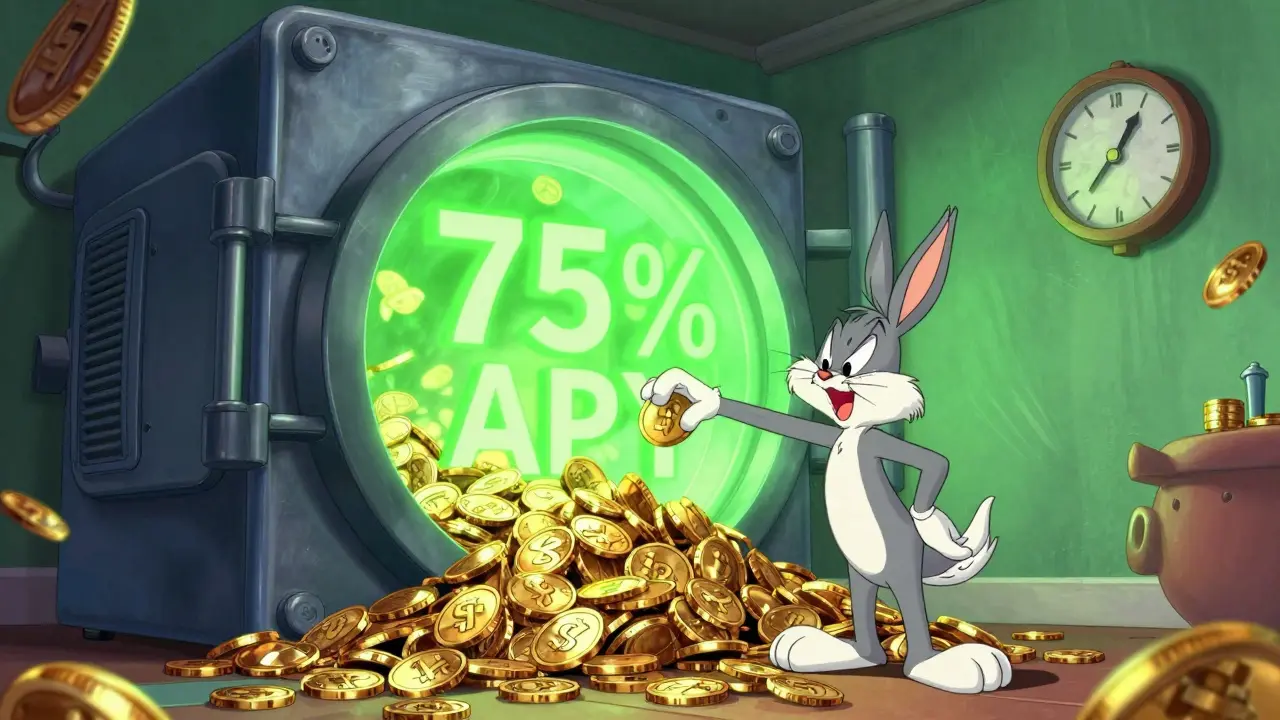
Getting free tokens is great, but what do you do with them? Mind Music knew that airdrops often lead to immediate selling, so they built immediate utility into the launch. They introduced staking pools that offered an aggressive Annual Percentage Yield (APY) of up to 75%. By connecting their Web3 wallets, users could lock up their tokens and earn passive rewards, incentivizing them to hold the asset rather than dumping it on the market.
To make the tokens liquid and tradable, Mind Music secured a listing on Coin Tiger, a centralized exchange (CEX). This move bridged the gap between the airdrop recipients and the wider trading market, giving users a clear path to convert their rewards or increase their positions. The combination of high-yield staking and exchange accessibility is a classic growth hack used by emerging blockchain projects to maintain token price stability during a launch.
Real-World Impact: When Crypto Meets the Charts
One of the biggest pitfalls for "crypto-music" projects is that they often forget to make actual music. Mind Music avoided this by focusing on content quality. Their debut single, 'HURT', became a legitimate hit, proving that the project had substance beyond the tokenomics. The track didn't just live on a blockchain; it dominated mainstream platforms.
The song garnered tens of thousands of streams on Spotify and hundreds of thousands of views on YouTube. More impressively, it went viral on TikTok and Instagram, reaching millions of listeners. The project even earned external validation by winning the UK Song Contest in the Music Aid category. This blend of digital assets and real-world chart success is rare in the Web3 space and gave the MND token a tangible link to actual entertainment value.
Merging Digital Assets with Physical Collectibles
Mind Music didn't stop at tokens. They leaned into the NFT craze but added a twist that traditional music fans would love. Instead of just selling a JPG, they launched an NFT collection that included physical merchandise. This is a smart bridge between the old school and the new school.
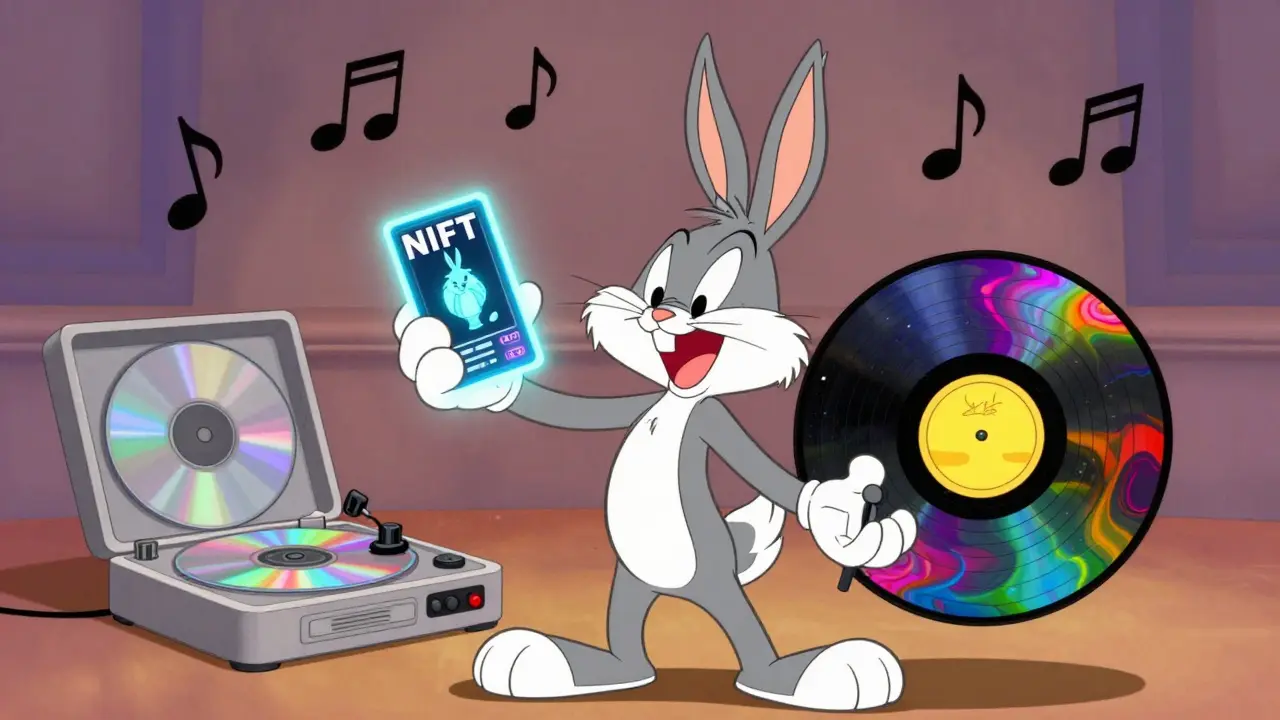
When a user purchased an NFT, they didn't just get a digital token; they received a limited edition numbered colored vinyl, a CD, and a digital download package from artist Mark Hamilton. This physical-digital hybrid approach solves the "utility problem" many NFTs face. By providing a tangible object, Mind Music gave collectors a reason to value the NFT based on both scarcity and physical ownership, mirroring the way music collectors have operated for decades.
The Risks and Long-Term Sustainability
While the launch was explosive, it's worth asking if the economics were sustainable. A 75% APY is incredibly high and can lead to massive inflation if not managed carefully. When trillions of tokens are distributed via airdrops and then compounded through high-interest staking, the supply of tokens in circulation grows rapidly. For the price to hold or increase, the demand from new music fans and investors must grow faster than the token printing press.
The success of the MND project depends on its ability to convert airdrop "hunters"-people who only want free money-into actual music fans. If the project can continue to sign major worldwide artists and release hits like 'HURT', the token becomes a ticket to an exclusive music ecosystem. Without that constant stream of new value, the project risks becoming another forgotten relic of the 2022 crypto boom.
What was the Mind Music (MND) airdrop?
The Mind Music airdrop was a promotional event launched in March 2022 to distribute 30 trillion MND tokens to 15,000 users. It was hosted in partnership with CoinMarketCap to raise awareness for the world's first crypto-powered record label.
How many MND tokens could a winner receive?
Lucky winners could receive up to 2 billion MND tokens each, depending on the selection process and participation criteria set by CoinMarketCap.
What was the purpose of the staking pools?
The staking pools were designed to encourage users to hold their MND tokens instead of selling them immediately. They offered a very high Annual Percentage Yield (APY) of up to 75% for those who locked their tokens in the ecosystem.
Where was the MND token listed for trading?
Mind Music secured its first centralized exchange listing on Coin Tiger, which allowed users to buy, sell, and transfer their tokens more easily.
Did the project offer anything other than tokens?
Yes, Mind Music launched an NFT collection that bridged digital and physical ownership. Purchasers received NFTs along with physical limited edition colored vinyl, CDs, and digital downloads from Mark Hamilton.
Was the music actually successful?
Yes, the debut single 'HURT' achieved significant traction, winning the UK Song Contest in the Music Aid category and gaining millions of streams across TikTok, Instagram, and YouTube.
Next Steps for Token Holders
If you were a recipient of the MND airdrop or are looking to enter the ecosystem now, your first move should be to verify the current status of the staking pools. Given the high APY offered at launch, check if these rewards are still active or if they have transitioned to a different reward model. Second, monitor the official social channels for announcements regarding new artist signings, as the value of a music-based token is directly tied to the popularity of the music it represents.
For those interested in the collectibles side, look into the secondary market for the original NFT-physical bundles. As the project evolves, these limited edition vinyls and CDs could become rare artifacts of the early crypto-music era. Always remember to use a dedicated wallet for staking to keep your main assets secure from potential smart contract risks.
James Bone
April 13, 2026 AT 02:2830 trillion tokens is a joke. It's basically a printing press for pixels. Most of these projects just use high APY to trap liquidity before the founders dump their bags on the retail sheep. It's the same cycle every time. The music part is just a fancy wrapper to make it look like there's a real business model here, but if you look at the math, it's just a ticking time bomb of inflation. Truly a masterclass in pseudo-economic engineering.
Terrance Hausmann
April 13, 2026 AT 21:00I think it's actually pretty cool that they are trying to integrate physical media like vinyl. In a world where everything is just a stream or a digital file, having something you can actually touch and hold creates a much deeper connection between the fan and the artist. It's a bold move that could potentially bridge the gap between traditional music collectors and the new wave of crypto enthusiasts, though it'll be interesting to see if the logistical side of shipping physical goods scales well with a global blockchain user base.
Lauren Abrams
April 14, 2026 AT 06:50The vinyl part is interesting.
Adam Auksel
April 14, 2026 AT 17:26Loving the vibe of this project! 🚀 Combining art and tech is always a win. I hope more artists jump on this and give fans a real piece of the pie! 💎🎶
Aaliyah BROTHERS
April 16, 2026 AT 01:0230 TRILLION?!?! This is exactly how they control our minds and our money!!! It's all a giant scheme to track our every move through these digital wallets!!!! Wake up people!!! The government is probably behind the whole 'record label' front just to monitor who's listening to what!!! Absolute madness!!!!
Will Dixon
April 18, 2026 AT 00:55i dont rly get the nft thing but free coins are always nice lol
Prasanna Shembekar
April 18, 2026 AT 07:04omg i missed the airdrop i am actually crying right now
Jessie Tayaban
April 20, 2026 AT 04:35Omg I totallly forgot about this one!! I bet the vinyls look so goood tho like imagine the colors
I realy want to see if the music is actually good or just hype
Amanda Faust
April 21, 2026 AT 11:28High APY is just a red flag for inflation
Rebecca Violette
April 21, 2026 AT 19:36i feel like i always miss out on these things its so depresiing
EDOZIEM MICHAEL
April 23, 2026 AT 01:12music is the universal language of the soul and crypto is just a new way to speak it
jennelle williams
April 23, 2026 AT 02:59nice to see art and money working together
Tyler Webb
April 24, 2026 AT 13:02Sounds like a fun experiment. Hope the artists are actually getting paid well :)
Scott Fenton
April 24, 2026 AT 20:38One must exercise extreme caution when interacting with staking pools offering 75% returns, as such figures often indicate a highly volatile economic structure. It is advisable to utilize a separate hardware wallet to mitigate the risks associated with smart contract vulnerabilities.
Mikayla Murphy
April 25, 2026 AT 09:54I appreciate how they are trying to bring back the physical feeling of collecting music while staying modern. It's a lovely way to keep the culture of vinyl alive for a new generation of listeners.
Stanly Hayes
April 25, 2026 AT 23:02Who cares about the tokens? The real question is why we are importing these weird finance trends into music. Just make the music and sell the CDs like a normal business!
James Bone
April 27, 2026 AT 00:27Typical reaction. People love the 'simpler times' until they realize those times were dominated by corporate monopolies that stole from artists even more than these 'weird' crypto projects do. You're just nostalgic for a different type of exploitation. The issue isn't the tech, it's the tokenomics of this specific project, which are a joke. I've seen a thousand projects with 75% APY and they all end the same way. It's a mathematical certainty. The supply just explodes and the price craters. You can't fight basic arithmetic with 'vibes' or 'art'. The only way this works is if they find a way to burn tokens faster than they print them, which they aren't doing. It's just a redistribution of wealth from the last person to buy into the hype to the first people who got the airdrop. Classic pump and dump disguised as a cultural revolution. I'm not saying the music isn't good, I'm saying the money part is a circus. And the clowns are the ones thinking a 30 trillion supply is sustainable. It's honestly hilarious watching people pretend this is a real investment strategy. Just buy the vinyl and forget the token.