
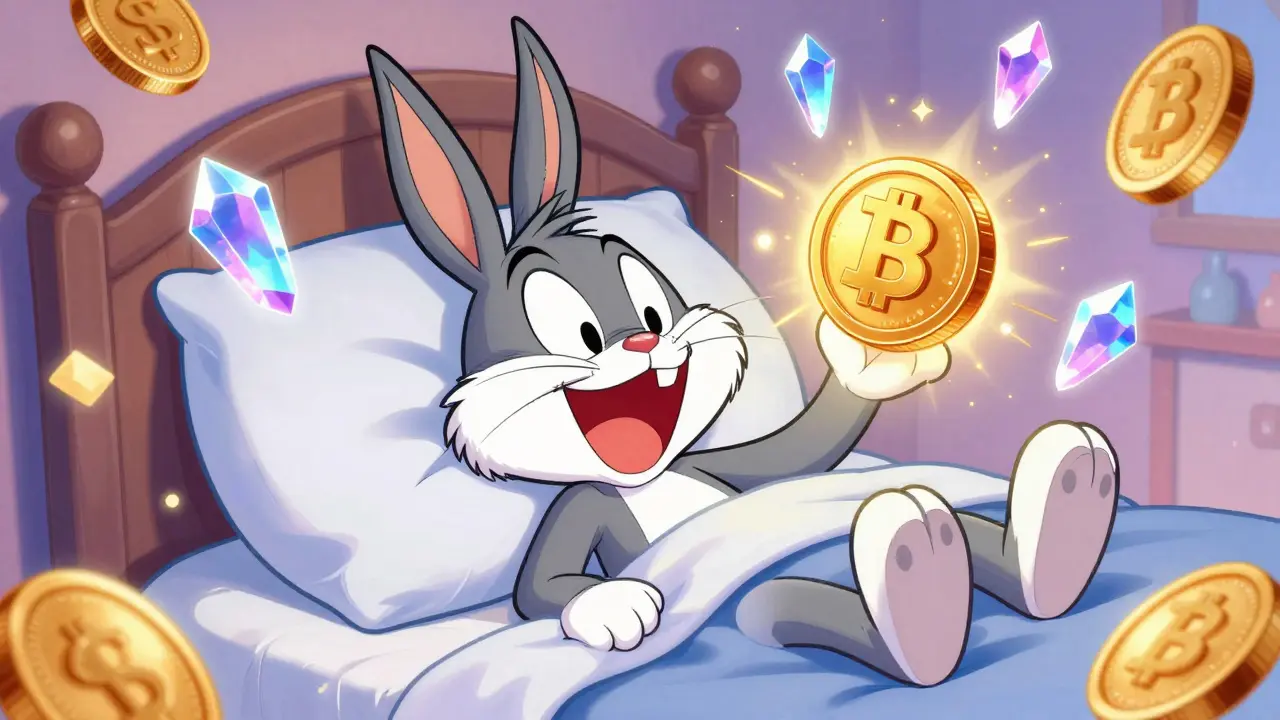
Imagine waking up in early 2022 to a promise: a "magical" entry into the world of Web3 with a guaranteed free NFT. That was the pitch for the Lunar Crystal NFT is a promotional digital collectible campaign launched by the Lunar ecosystem to drive community growth and user acquisition. It promised a low barrier to entry and a direct path to passive earnings through the associated LNR token. However, if you're looking for this airdrop today, you'll find a digital ghost town. Most of the excitement from the start of 2022 has vanished, leaving users wondering if the project pivoted or simply faded away.
Quick Summary: The Lunar Crystal NFT Event
- Launch Date: March 1, 2022.
- Blockchain: Binance Smart Chain (BSC).
- Distribution Channel: Partnered with CoinMarketCap (likely via the MISO platform).
- The Promise: At least one guaranteed NFT for completing engagement tasks.
- Current Status: Likely abandoned or pivoted; no current mention on official channels.
The Promise of the Lunar Ecosystem
When the airdrop first hit the radar, Lunar was positioned as a decentralized finance (DeFi) ecosystem designed to simplify the crypto interface for the next billion users. The goal wasn't just to give away art; it was to build a funnel for their Lunar Crystal NFT and the LNR token. The project claimed to offer a way for holders to generate passive income, a trend that was peaking in early 2022 when nearly 41% of new DeFi protocols focused on similar reward models.
Unlike many complex launches, Lunar kept it simple. They leveraged the low gas fees of the BSC network to attract a crowd that was tired of Ethereum's expensive transaction costs. By promising "at least 1 NFT" to participants, they removed the gamble usually associated with "minting wars" or lottery-based airdrops.
How the Distribution Worked
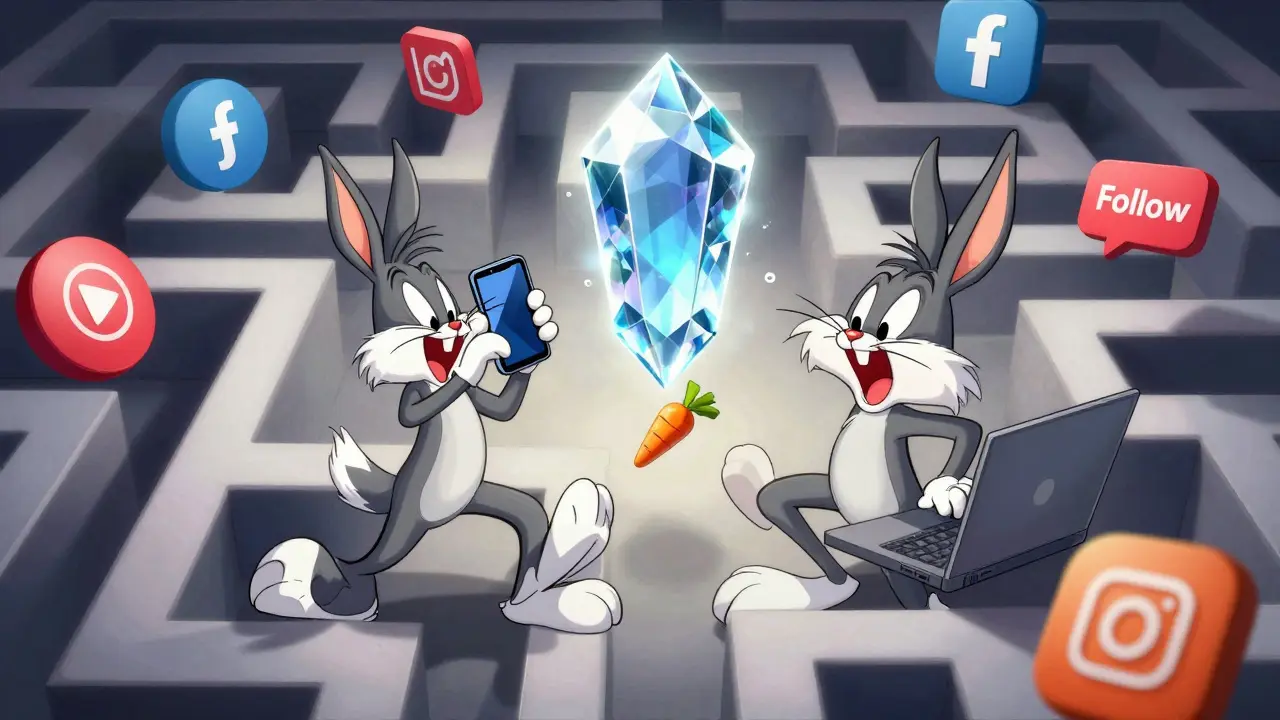
To get your hands on a Lunar Crystal, you couldn't just visit a random website. The project strategically routed participants through CoinMarketCap. For those who remember the MISO (Multi-Chain Incentive System Offering) era, this was a common tactic. Users typically had to link their social media accounts, follow specific profiles, and connect a compatible wallet like MetaMask or Trust Wallet.
While the exact steps were slightly vague in the archives, the workflow generally followed a standard airdrop pattern: social verification, wallet linking, and waiting for the snapshot. This approach gave the project an immediate veneer of credibility by associating itself with a giant in the data aggregation space, even if the underlying technical documentation-like the smart contract addresses-remained scarce.
Comparing Lunar Crystal to the 2022 Market
To understand where Lunar Crystal stood, we have to look at its peers from that specific window of time. While it offered broad accessibility, it lacked the depth and transparency of some other contemporary projects.
| Feature | Lunar Crystal NFT | Baby Ape Beast (BAB) | LSTR (Luna Dating) |
|---|---|---|---|
| Access | Broad / Guaranteed | VIP Tiers / Public Mint | Bot-driven / Referral |
| Platform | CoinMarketCap | Project Portal | Telegram Bot |
| Transparency | Low (Minimal Docs) | Medium (Roadmap provided) | High (Specific Token Amounts) |
| Network | Binance Smart Chain | Mixed / Various | Project Specific |
The lack of a public whitepaper or a GitHub repository for the LNR token was a significant red flag for technical analysts. While projects like Scroll or Linea would later release detailed tech scores and security audits from firms like CertiK, Lunar operated in a relative information vacuum. They focused more on the "magical experience" than the technical plumbing.
The Disappearing Act: Where is the Project Now?
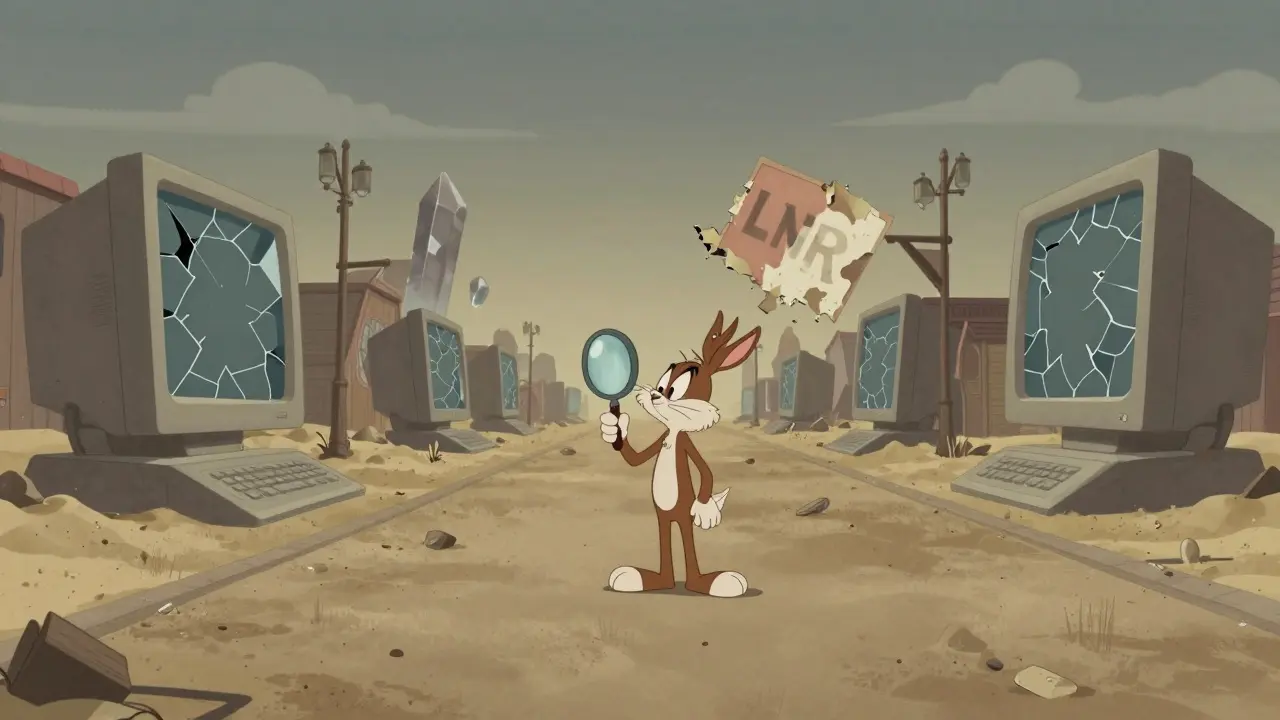
If you try to find the LNR token or the NFT collection today, you'll notice a strange gap. The official website, lunar.io, still exists, but it has undergone a total identity shift. The mentions of DeFi ecosystems, LNR tokens, and Crystal NFTs have been replaced by generic language about "sparking joy in Web3 experiences."
In the crypto world, this usually means one of three things: a total pivot in business strategy, a stealth rebranding, or a quiet shutdown. Given that the project doesn't appear in any recent top-tier airdrop trackers or market analysis reports from 2023 to 2026, it's safe to say that the Lunar Crystal NFT airdrop didn't lead to a sustainable ecosystem. It likely served as a short-term marketing experiment that failed to gain long-term traction.
Lessons Learned from the LNR Experiment
The Lunar Crystal saga is a classic example of the "hype-cycle" airdrops of the 2022 bull market. For users, the primary lesson is the importance of verifying a project's technical foundation. A partnership with a big name like CoinMarketCap is great for visibility, but it isn't a substitute for a verified smart contract or a transparent roadmap.
When evaluating future airdrops, ask yourself: Is there a public GitHub? Is there a security audit from a reputable firm? Is the team communicating a clear utility for the asset beyond "passive earnings"? Without these, an airdrop is essentially a digital lottery ticket with an unknown expiration date.
Did the Lunar Crystal NFT airdrop actually pay out?
While the project guaranteed "at least 1 NFT" for participants in March 2022, there is very little public record of successful claim rates or community testimonials confirming delivery. Most users who participated via CoinMarketCap found the project disappeared shortly after the initial hype.
What happened to the LNR token?
The LNR token was designed for passive earnings within the Lunar DeFi ecosystem. However, the token has largely vanished from active market discussions, and current versions of the project's website make no mention of it, suggesting it was discontinued or abandoned.
Is the Lunar Crystal NFT still tradable?
Because there is no official documentation regarding the NFT's metadata or smart contract address, trading liquidity for these assets is virtually non-existent. Without a maintained project, these NFTs effectively have no market value.
Was the Lunar Crystal airdrop a scam?
There is no definitive evidence of a "rug pull" or malicious theft of funds, as the airdrop was primarily a marketing task involving social media. However, the total lack of follow-through and transparency indicates a failed project rather than a successful product launch.
Can I still join the Lunar airdrop in 2026?
No. The Lunar Crystal NFT airdrop took place in March 2022. Any website or social media account claiming to offer this airdrop now is likely a phishing attempt. Always check official, current project channels before connecting your wallet.
Next Steps for Airdrop Hunters
If you're looking for active opportunities, steer clear of "ghost projects" and look for the following indicators:
- Technical Audits: Look for projects audited by firms like OpenZeppelin or Quantstamp.
- Active Development: Check for recent commits on a public GitHub repository.
- Clear Tokenomics: Ensure there is a detailed whitepaper explaining the token's utility and supply.
- Community Presence: Look for organic discussions on Reddit or Discord, not just bot-filled Telegram groups.
Sandeep Bhoir
April 18, 2026 AT 06:23Oh look, another "revolutionary" project that turned into a digital paperweight. Shocking. Truly. I'm absolutely floored that a project with zero GitHub activity and no whitepaper actually failed. Who could have possibly seen this coming? 🙄
Keri Pommerenk
April 18, 2026 AT 19:35thanks for the heads up on the red flags. it helps a lot to know what to look for next time
Abhinav Chaubey
April 19, 2026 AT 13:23Typical incompetence from these Western-marketed scams. If this had been launched by an Indian developer with real engineering pedigree, we would have seen actual utility instead of this pathetic marketing fluff. You people just follow the hype without any intellectual rigor.
siddharth narula
April 19, 2026 AT 18:32The pursuit of passive income is but a mirage in the desert of greed. We seek crystals of digital light only to find our souls empty and our wallets drained. 😔 Such is the ephemeral nature of the blockchain dream.
Yuhan Mo
April 20, 2026 AT 06:59The liquidity gap here is pretty standard for projects that fail to maintain their TVL. Once the incentive layer collapses and the devs stop pushing commits to the repo, the asset just becomes a vanity metric with no exit ramp. Basically a total loss of capital efficiency.
Joshua Salwen
April 21, 2026 AT 06:31I REMEMBER THIS!! I spent like three hours doing those stupid social tasks and for what?? ABSOLUTELY NOTHING!! They just ghosted us all!! What a joke of a project, literally the biggest scam of 2022 and nobody cares now!!
Michelle Stanish
April 21, 2026 AT 18:54It wasn't even that bad. Just a failed project.
Sean Douglas
April 22, 2026 AT 19:49A failed project? This was a cinematic masterpiece of deception! A glittering, shimmering lie wrapped in the promise of Web3 utopia, only to dissolve into a void of silence! The audacity is almost poetic!
Sean Mitchell
April 24, 2026 AT 02:15Honestly, reading this whole thing just makes me tired. Imagine actually caring about an NFT from 2022. It's all just noise and garbage anyway.
Thomas Jewett
April 25, 2026 AT 17:32This is why we need stricter regulashuns in this country becuase the goverment just lets these foreign scammers run wild with our money and we just sit here and take it like some kind of losers while the real americans get ripped off by digital ghosts!!
Adedamola Oyebo
April 25, 2026 AT 20:57Check the BSC scan!!
Kaitlyn Wu
April 26, 2026 AT 05:08We need to stop treating these "guaranteed" airdrops as free money. If you aren't checking the smart contract, you are the product. Period.
nikki krinkin
April 26, 2026 AT 19:31I remember seeing this on CMC back in the day. It felt like everyone was doing it.
Kim Smith
April 28, 2026 AT 17:54It's kinda funny how we all just chased these shiny things like kids in a candy store and now we're lookin' back at the wreckage of a billion dolars worth of nothingness... just a glitch in the matrix of late stage capitalism i guess...
Mark Pfeifer
April 30, 2026 AT 17:51I'm curious if anyone actually received the NFT or if the airdrop was just a data-harvesting exercise from the start.
Luke George
May 1, 2026 AT 11:42The CoinMarketCap partnership was probably a front. They probably just paid for a listing and then vanished once the data was collected. It's all connected to the larger push to track our digital footprints through fake DeFi portals.
Michael Harms
May 2, 2026 AT 17:50Hey, don't be too hard on the newcomers! We all learned the hard way back then. Now we just know better!
Anna Grealis
May 2, 2026 AT 22:28total waste of time. probably just a bot net anyway.
Karen Mogollon Gutierrez
May 3, 2026 AT 14:09The level of negligence displayed by the developers of this project is truly abhorrent. One must wonder how such a blatant disregard for the community could be permitted in a space that claims to be decentralized.
Tracy Sperandio
May 4, 2026 AT 01:21Let's turn this into a win! Use this as fuel to find the NEXT big thing that actually has a working product! Let's get that bread the right way this time! 🚀
Ankit Sindhu
May 4, 2026 AT 20:01I can help anyone who is still trying to track their old wallets from that era if you're confused about the BSC explorer.
Robert Preston
May 6, 2026 AT 06:03Just a reminder that any site claiming to "restart" this airdrop is a scam. Do not connect your wallets to any link claiming to be Lunar Crystal.
Alex Long
May 7, 2026 AT 18:43mid. boring. failed. next.
Nishant Goyal
May 8, 2026 AT 15:53It happens.
Jeff Barlett
May 9, 2026 AT 23:58Wait, you guys actually thought this was a real project? I only joined to see how far the grift would go and honestly, the pivot to "sparking joy" is the funniest part of the whole disaster. It's like they're pretending the last four years never happened! Absolute comedy gold!