

Chasing the next big IDTT Identity airdrop feels like standing in a crowded room where everyone is shouting different instructions. You see posts claiming early access, links promising instant tokens, and timelines that shift faster than you can refresh your wallet. The reality is sharper: legitimate decentralized identity projects move with precision, not hype. If you are looking for concrete steps to qualify for an IDO or airdrop tied to digital identity infrastructure, you need to separate signal from noise before you sign a single transaction.
Digital identity in blockchain is not just about storing data; it is about proving who you are without handing over your private keys. Projects in this space build protocols that let users control their credentials, verify themselves across platforms, and maintain privacy. When these projects launch tokens through Initial DEX Offerings (IDOs) or airdrops, they usually reward those who have helped test the network, joined governance discussions, or integrated the technology into other apps. Understanding this dynamic changes how you approach participation.
What Is IDTT Identity and Why Does It Matter?
IDTT Identity is a proposed decentralized identity protocol aiming to provide self-sovereign identity solutions on the blockchain. While specific public documentation remains limited as of mid-2026, the project fits into a broader ecosystem focused on verifiable credentials and zero-knowledge proofs. These technologies allow users to prove attributes-like age or membership-without revealing underlying personal data.
The identity sector has matured significantly since 2024. Early projects struggled with usability and adoption. Current leaders prioritize interoperability, meaning your identity should work across multiple chains and applications without friction. If IDTT follows this trend, its token likely serves two purposes: governance rights for protocol decisions and incentives for nodes or validators securing the network. Before you commit time or funds, verify if the project publishes a technical whitepaper detailing these mechanisms. Vague promises about "future utility" are red flags in this category.
How IDO Launches Work for Identity Projects
An Initial DEX Offering (IDO) differs from an Initial Coin Offering (ICO) in distribution method and timing. ICOs often sell tokens directly from the project team during presale phases. IDOs list tokens immediately on decentralized exchanges like Uniswap or PancakeSwap, allowing open market trading from block zero. For identity projects, this structure reduces centralization risks but increases volatility during the first hours.
Participation typically requires holding a specific platform token or completing KYC (Know Your Customer) verification on the launchpad. Some platforms use whitelists based on social activity or previous interactions with the project’s testnet. Here is what you need to track:
- Launchpad Partnerships: Identify which platforms host the IDO. Common partners include Polkastarter, DAO Maker, or chain-specific incubators. Each has distinct entry requirements.
- Vesting Schedules: Check how much of the token supply unlocks immediately versus over months. High immediate unlock percentages often lead to price dumps as early investors sell.
- Liquidity Locks: Verify if the project locks liquidity pool tokens for a set period. This prevents rug pulls where developers drain funds after listing.
Transparency dashboards have become standard. Reputable projects publish real-time data showing wallet distributions, team vesting cliffs, and audit results. If IDTT provides such a dashboard, bookmark it. It reveals whether the tokenomics align with long-term growth or short-term speculation.
Airdrop Eligibility Criteria You Can Actually Meet
Airdrops reward community engagement, not random wallet addresses. Projects snapshot the blockchain at a specific block height to determine eligible recipients. For identity-focused protocols, common criteria include:
- Testnet Participation: Did you register an identity, issue a credential, or verify another user on the testnet? On-chain actions here count heavily.
- Social Governance: Voting on proposals in Discord or Snapshot polls demonstrates active interest. Passive following rarely qualifies.
- Early Holder Status: Some projects target holders of related NFTs or tokens in the same ecosystem. Check if IDTT partners with established identity standards like W3C Verifiable Credentials.
- Bug Bounty Contributions: Reporting security vulnerabilities before mainnet launch often grants substantial rewards. This protects the network and proves technical commitment.
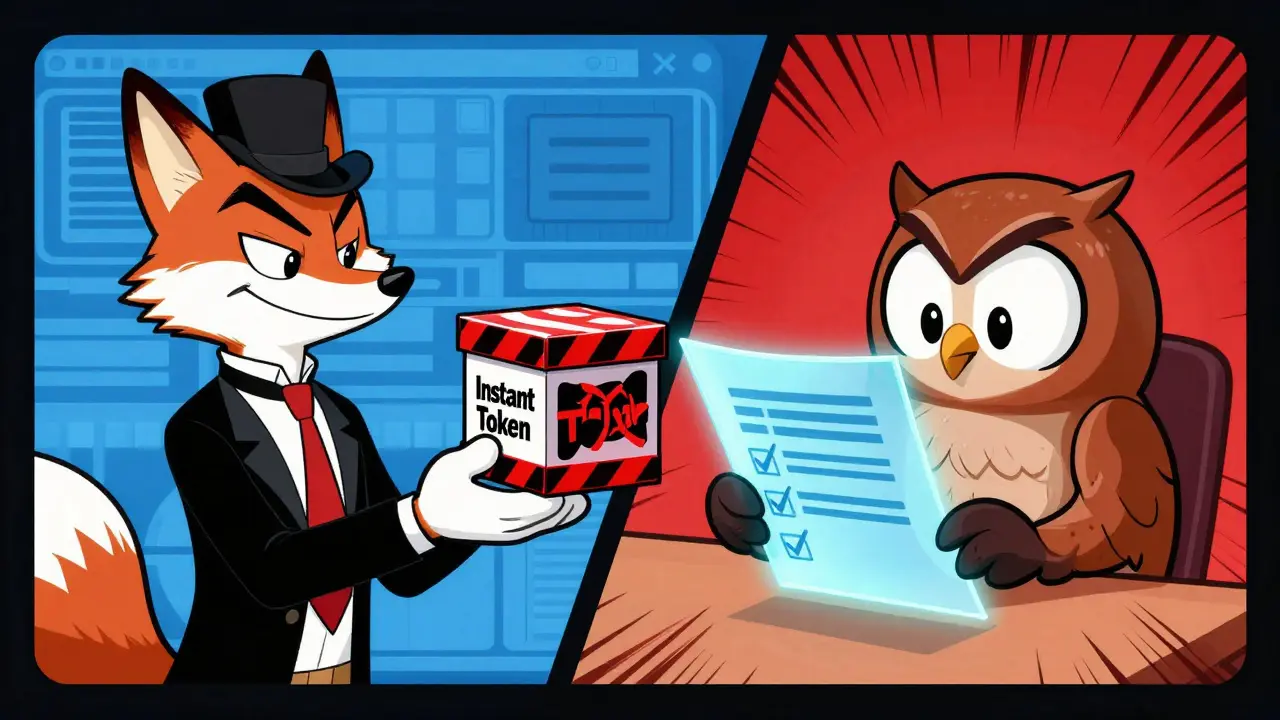
Do not fall for fake claim sites. Legitimate airdrops never ask for your private key or seed phrase. They only require connecting your wallet to sign a message or approve a contract interaction. Always cross-reference links with official channels listed in the project’s verified documentation.
Red Flags That Signal a Scam
The identity sector attracts sophisticated attackers because compromised identities carry high value. Scammers create fake websites mimicking official branding, then deploy malicious smart contracts that drain wallets upon connection. Protect yourself by recognizing these patterns:
| Scam Indicator | Legitimate Signal |
|---|---|
| Urgency tactics ("Claim within 1 hour!") | Clear deadlines posted weeks in advance |
| Requests for private keys or seed phrases | Only asks for wallet signature approval |
| Unverified social media accounts | Verified badges on Twitter/X and Discord |
| No audit reports from firms like CertiK or OpenZeppelin | Publicly accessible audit summaries with fix logs |
| Vague tokenomics without total supply details | Transparent allocation charts showing team, community, and treasury splits |
If a site asks you to bridge assets to an unknown chain to "qualify" for an airdrop, stop immediately. Legitimate projects do not require complex cross-chain moves for simple claims. Use tools like Etherscan or BscScan to inspect contract code before interacting. Look for functions labeled `transfer` or `approve` that send unlimited allowances to unknown addresses.

Tools to Track IDTT Progress Safely
You do not need to guess when snapshots occur or who holds the most tokens. On-chain analytics platforms provide objective data. Integrate these into your research routine:
- Dune Analytics: Search for custom dashboards tracking IDTT wallet distributions. Community creators often build visualizations showing holder concentration.
- Nansen: Monitor smart money flows. See if institutional wallets are accumulating or distributing tokens ahead of announcements.
- Revoke.cash: Regularly check permissions granted to smart contracts. Revoke approvals for unused dApps to minimize exposure.
- Chainalysis Blockchain Explorer: Verify if the project’s official wallets match those published in their documentation.
Set up alerts for new contract deployments associated with the IDTT address. Sudden deployment of unverified contracts often precedes phishing attempts. By monitoring these signals, you stay informed without relying on potentially manipulated social media feeds.
Building Long-Term Value Beyond the Airdrop
Taking free tokens and selling them immediately ignores the core purpose of identity protocols. These networks grow stronger as more users adopt secure verification methods. Consider holding tokens if you believe in the technology’s trajectory. Governance participation lets you influence fee structures, partner integrations, and development priorities.
Engage with the developer community. Contribute to documentation, translate guides, or create tutorials explaining how to use IDTT’s features. Projects notice consistent contributors and may offer additional incentives or roles in future rounds. This approach transforms passive speculation into active stewardship of the ecosystem.
Is IDTT Identity a confirmed project or still in development?
As of mid-2026, IDTT Identity operates with limited public documentation compared to established competitors. Treat it as an emerging project requiring careful verification. Always rely on official GitHub repositories and audited smart contracts rather than third-party announcements.
How do I know if an IDTT airdrop link is safe?
Verify the URL matches the domain listed in the project’s official Twitter bio or Discord server description. Never click links from direct messages. Use browser extensions like PocketGuard to scan URLs for known phishing domains before entering your wallet credentials.
What happens if I miss the IDT TIDO snapshot?
Missing one snapshot does not disqualify you permanently. Many projects conduct multiple distribution phases. Continue engaging with the testnet and governance forums. Future allocations often target sustained participants rather than one-time claimers.
Can I participate in the IDO without holding a specific token?
Most launchpads require staking their native token or maintaining a certain tier status. Check the specific IDO page for exact requirements. Some platforms offer open sales for small portions while reserving larger allocations for loyal supporters.
Why do identity projects focus so much on audits?
Identity systems handle sensitive data structures. A vulnerability could expose user credentials or allow unauthorized identity creation. Independent audits by firms like Trail of Bits or Quantstamp ensure cryptographic integrity and prevent exploits that compromise trust in the entire network.