
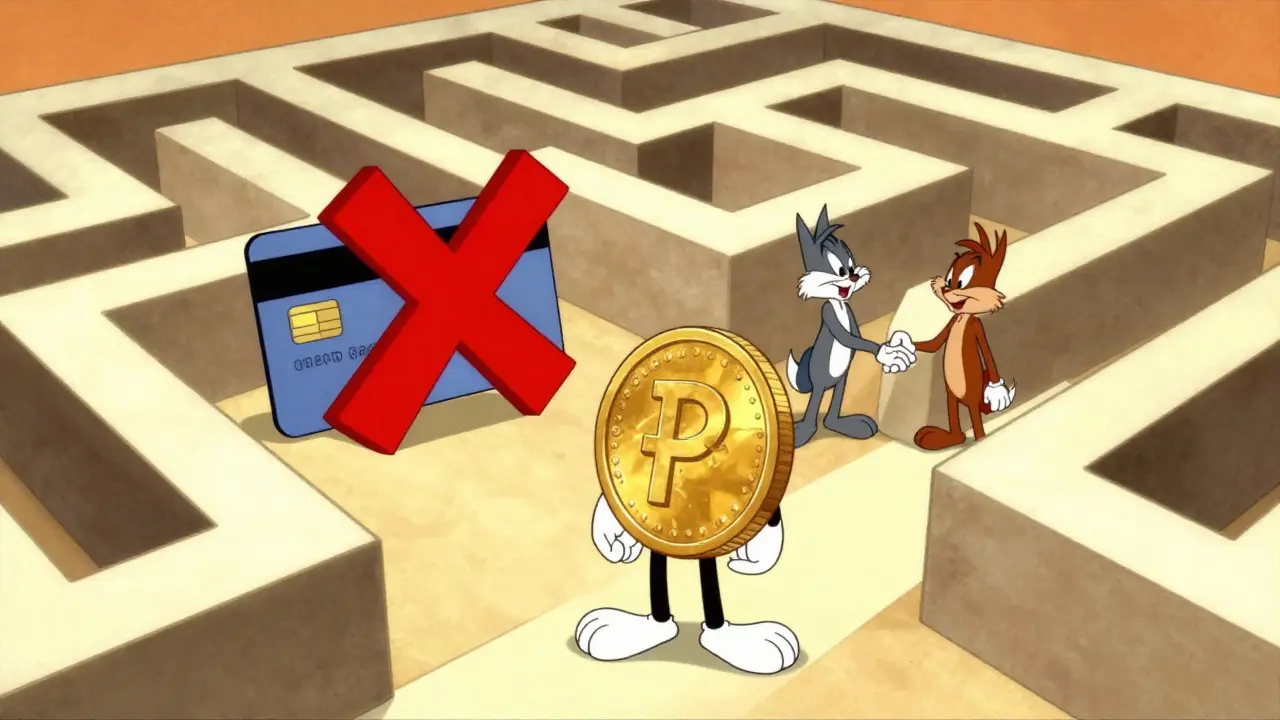
Why Buying Crypto in Russia Is Different Now
You might think buying cryptocurrency is just clicking a button on an app. In Russia, it’s more like navigating a maze with moving walls. Since the regulatory shifts began in 2022, the way you move money from your bank account to digital assets has changed completely. You can’t just swipe a Visa or Mastercard at most global exchanges anymore. Instead, the market has adapted using peer-to-peer (P2P) trading, local payment systems like MIR cards, and specialized platforms that understand the unique banking restrictions.
As of mid-2026, this isn’t a niche activity. The Central Bank of Russia reported that over 18.7 million citizens now own digital assets. That’s roughly one in eight people. Whether you’re trying to save against inflation, send money abroad, or simply invest, understanding the current mechanics is crucial. The old methods are gone. The new ones require a bit more know-how but offer reliable access if you follow the right steps.
The Three Main Ways to Buy Crypto with Rubles
There are three primary paths you can take to convert Russian Rubles (RUB) into cryptocurrency. Each has its own speed, cost, and privacy level. Choosing the right one depends on how much you want to buy and how quickly you need it.
- P2P Trading (Peer-to-Peer): This is the most popular method for larger amounts. You buy directly from another person through a platform like Bybit. The platform holds the crypto in escrow until you confirm the bank transfer. It offers the best exchange rates but requires careful vetting of sellers.
- Instant Card Purchases: Services like ChangeNOW allow you to buy crypto instantly using a MIR card without creating an account. It’s fast-usually under 10 minutes-but comes with higher fees and lower limits.
- Local Exchanges with Banking Integration: Platforms like Bitbanker connect directly to Russian banks. They offer both online transfers and even physical cash deposits in major cities. This is great for beginners who want direct support but requires full identity verification.
If you’re buying under 500,000 RUB, instant card services are often the easiest. For anything above that, P2P trading is usually cheaper and safer due to better liquidity and protection mechanisms.
Step-by-Step: Using P2P Trading on Bybit
Let’s walk through the most common method: P2P trading. Bybit dominates this space in Russia because it has adapted well to local banking quirks. Here is how you do it safely.
- Create and Verify Your Account: Download the Bybit app or visit their website. Sign up and complete KYC (Know Your Customer) verification. You’ll need your Russian passport and INN number. This step is mandatory for fiat transactions and usually takes between 12 and 48 hours.
- Navigate to P2P Trading: Go to the “Buy Crypto” section and select “P2P Trading.” Make sure you switch to the “Sell” tab if you are looking to buy crypto (since you are selling rubles to the seller).
- Select Currency and Payment Method: Choose USDT as the cryptocurrency and RUB as the fiat currency. Then, filter by your bank. Bybit uses a color-coded system to help you identify banks. A green card icon typically means Sberbank, while yellow represents Tinkoff (now T-Bank). Stick to these verified colors to avoid payment issues.
- Choose a Reliable Seller: Look for sellers with a completion rate above 95% and at least 50 completed orders. Check their recent reviews. Avoid anyone with low order counts or vague feedback.
- Make the Transfer: Open the trade chat. Copy the seller’s bank details exactly. Send the exact amount via your banking app. Do not add comments like “crypto” or “USDT” in the transfer description, as this can trigger bank blocks. Use neutral terms like “services” or leave it blank if possible.
- Release the Crypto: Once the seller confirms they received the money, the platform will release the USDT to your wallet. Never release funds before confirming receipt in your own bank app.
This process protects you because the crypto stays locked until the money changes hands. According to Bybit’s transparency reports, verified buyers have a success rate exceeding 95% when following these guidelines.

Using Instant Card Services for Small Amounts
If you don’t want to deal with finding sellers or waiting for bank approvals, instant swap services are an option. ChangeNOW is a leading example. It works like a vending machine for crypto.
You select RUB as your input currency and Bitcoin or USDT as your output. Enter the amount, provide your crypto wallet address, and pay with your MIR card. The transaction usually settles in 5 to 10 minutes. There is no account creation required, which appeals to those valuing privacy. However, be aware that the exchange rate includes a markup, so you might pay 3-5% more than the market price. Also, daily limits are stricter, often capped around 600,000 RUB for non-verified users.
This method is best for emergency top-ups or small investments where convenience outweighs cost efficiency.
Understanding Fees, Limits, and Taxes
Money always costs money. In the Russian crypto scene, hidden fees can eat into your profits. Let’s break down what you should expect.
| Method | Average Fee | Speed | Best For | KYC Required? |
|---|---|---|---|---|
| P2P Trading (Bybit) | 0.5% - 2.0% | 10 - 30 mins | Large amounts, best rates | Yes |
| Instant Card (ChangeNOW) | 1.5% - 3.9% | 5 - 10 mins | Small amounts, speed | No |
| Local Exchange (Bitbanker) | 1.8% average | Varies | Beginners, cash deposits | Yes |
Beyond platform fees, there are legal limits. Under Federal Law No. 115-FZ, unverified accounts are limited to 600,000 RUB per day. Verified accounts can handle up to 5,000,000 RUB daily. If you exceed these without proper documentation, your transaction may be frozen.
Taxation remains a gray area. While owning crypto is legal, clear tax guidelines for individuals are still evolving. The Blockchain Association of Russia notes that many users are confused about declaring gains. As of 2026, it is wise to keep records of all purchases and sales. Future legislation, such as the reviewed Bill No. 45877-8, aims to clarify this, potentially requiring income declaration for significant profits. Consult a local tax advisor if you are trading large volumes.
Safety Tips: Avoiding Scams and Blocks
The biggest risk in Russian crypto trading isn’t the technology; it’s human error and fraud. Banks are sensitive to crypto-related transfers, and scammers are active on P2P platforms. Here is how to stay safe.
- Stick to the Platform Chat: Never communicate with sellers outside the official app chat. If someone asks you to move to Telegram or WhatsApp, block them immediately. All disputes must be handled within the platform’s system.
- Check Bank Colors: As mentioned, use the green (Sberbank) and yellow (Tinkoff/T-Bank) indicators. Transfers from other banks may fail or get flagged by anti-money laundering filters.
- Verify Receipt Before Releasing: In P2P trades, you hold the power. Do not click “Release Crypto” until you see the money in your actual bank balance. Screenshots can be faked. Log into your banking app and check the statement.
- Avoid “Reverse Charge” Scams: Some fraudulent buyers claim they sent money but then dispute the charge later. To mitigate this, only work with sellers who have high completion rates and long histories. If a deal feels rushed or the price is too good to be true, it probably is.
- Use Neutral Transfer Descriptions: When sending RUB, never write “Bitcoin,” “Crypto,” or “USDT.” Use generic terms like “Payment for services” or leave the field empty. Banks automatically flag specific keywords, which can lead to temporary account freezes.
Community data from Reddit’s r/RussianCrypto shows that users who follow these rules experience zero issues in the vast majority of cases. Trust your instincts-if something feels off, cancel the trade.
The Future: Digital Ruble and Regulatory Changes
The landscape is shifting again. The Central Bank of Russia launched the digital ruble in July 2025. This state-backed currency operates alongside private cryptocurrencies rather than replacing them. Initially, it was designed for domestic transactions, while private crypto like Bitcoin and USDT continues to serve cross-border needs.
Looking ahead to late 2026, we expect tighter integration between traditional banks and crypto platforms. Sberbank has already experimented with blockchain pilots. This could mean easier direct purchases in the future, reducing the need for complex P2P workarounds. However, for now, the methods described above remain the standard.
Regulatory clarity is improving. New bills aim to define tax obligations and compliance standards. While this adds paperwork, it also legitimizes the market, making it safer for everyday users. Stay informed, verify your sources, and always prioritize security over speed.
Is it legal to buy cryptocurrency in Russia?
Yes, owning and buying cryptocurrency is legal in Russia. However, using crypto as a means of payment for goods and services within the country is prohibited. You can hold it as an asset, trade it, and send it abroad, but you cannot buy groceries with Bitcoin.
Which bank is best for crypto transactions in Russia?
Tinkoff (now T-Bank) and Sberbank are the most widely accepted on P2P platforms. Tinkoff often has faster processing times and fewer blocks for crypto-related transfers. Other banks like Alfa-Bank and VTB are also used but may have stricter monitoring.
Do I need to pay taxes on crypto profits?
Currently, tax regulations are evolving. While there is no strict enforcement for small individual traders yet, large profits may be subject to income tax. With upcoming legislation like Bill No. 45877-8, clearer reporting requirements are expected. Keep detailed records of all transactions.
Can I buy crypto with cash in Russia?
Yes, some local exchanges like Bitbanker offer physical cash deposit locations in major cities like Moscow, Dubai, and Bishkek. This allows you to hand over cash and receive crypto directly, bypassing bank transfers entirely.
What happens if my bank blocks a crypto transfer?
If your bank blocks a transfer, contact your bank immediately to explain the nature of the transaction. Provide proof of legitimate source of funds if requested. In P2P trading, inform the seller and cancel the trade within the platform to avoid losing your crypto.
Is Bybit safe to use in Russia?
Bybit is one of the safest options available, offering strong escrow services and buyer protection. However, no platform is immune to risks. Always use two-factor authentication, verify sellers thoroughly, and never share your private keys or passwords.
How long does KYC verification take?
KYC verification typically takes between 12 to 48 hours. During peak times, it might take longer. Ensure your photos are clear and your documents are valid to avoid delays. Without KYC, you cannot perform fiat transactions on most reputable platforms.