
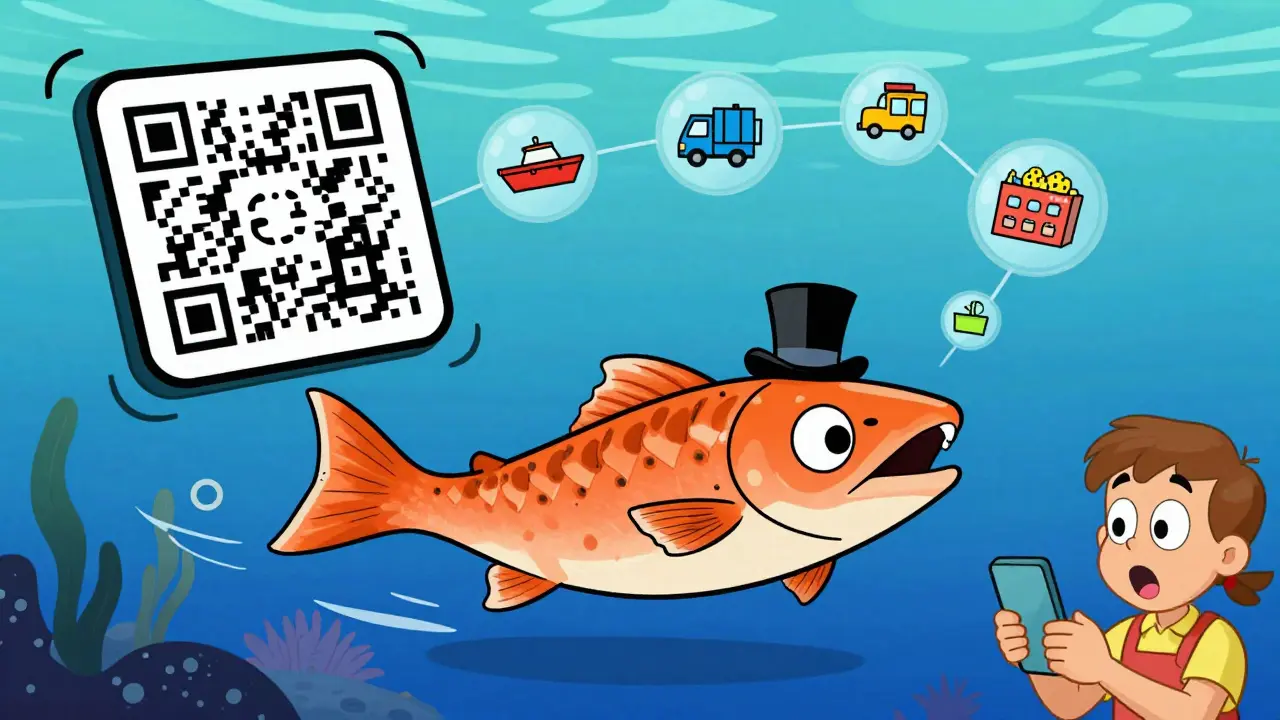
Imagine scanning a QR code on your organic salmon and seeing not just the farm it came from, but the exact boat that caught it, the timestamp of when it was packed, and the temperature history of every leg of its journey. This isn’t science fiction. It’s happening right now - and it’s powered by NFTs.
Why NFTs? Because Every Loaf of Bread Has a Story
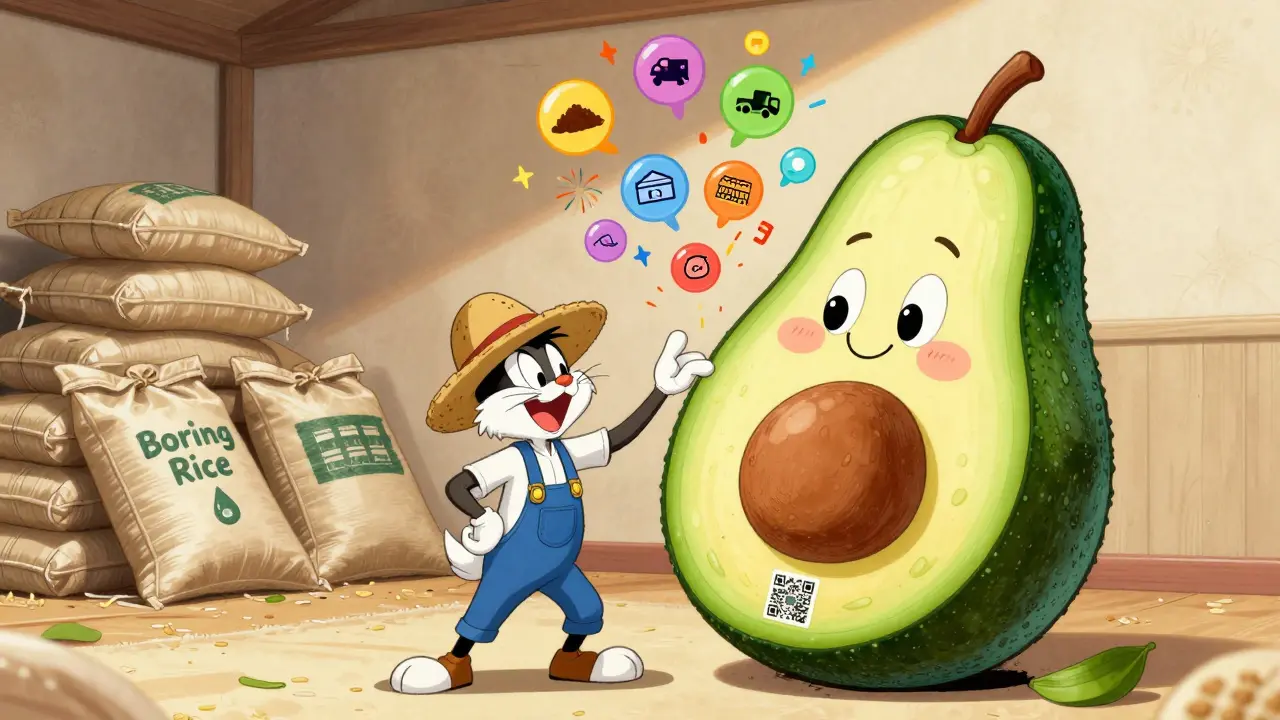
For decades, food traceability meant paper logs, batch numbers, and guesswork. If a batch of spinach got contaminated, companies had to recall everything from that farm - even if only one box was bad. That took days. Sometimes weeks. And consumers? They had no idea what was safe. NFTs change that. Unlike regular barcodes that track a box of 50 apples, an NFT gives each individual item its own digital identity. Think of it like a passport for your avocado. It records every hand it passes through - from the soil it grew in, to the truck that carried it, to the shelf where you picked it up. And once recorded on a blockchain, that data can’t be changed. No faking. No tampering. This matters because food fraud costs the global economy $40 billion a year. Mislabeled seafood? 30% of the time. Organic produce falsely labeled? Up to 12% in Europe. NFTs don’t just track where food came from - they prove it.How It Actually Works (No Tech Jargon)
Here’s the simple version:- A farmer attaches a QR code or NFC chip to a crate of strawberries.
- When the strawberries are harvested, packed, and shipped, each step is recorded as a new entry on a blockchain - creating a unique NFT for that crate.
- Every time the crate changes hands - warehouse, distributor, store - the new owner scans the code and updates the NFT.
- When you buy it, you scan the same code on your phone. Instantly, you see the whole history: where it was grown, who picked it, when it was shipped, and even the weather conditions that day.
Who’s Using It - And Who Isn’t
NFT traceability isn’t for everything. It’s perfect for high-value, high-risk items:- Organic produce - Where fraud is common and consumers pay 20-30% more for trust.
- Premium seafood - Think wild-caught tuna or Chilean salmon. Mislabeling is rampant.
- Specialty coffee and wine - Buyers want to know the exact farm, harvest date, and processing method.
The Real Problems (And Why It’s Not Everywhere Yet)
Sure, it sounds great. But here’s the truth:- Cost - Setting up an NFT system for one product line can cost $120,000 a year. That’s a tough sell for a small farm.
- Complexity - Farmers and warehouse workers aren’t tech experts. Training them takes 16+ hours per person.
- Consumer behavior - Only 22% of shoppers regularly scan traceability codes. Most just want the label to say “organic” and move on.
- Fragmentation - Different companies use different blockchains. IBM uses Hyperledger. Others use Ethereum. If they don’t talk to each other, the system breaks.
What’s Next? The Future Is Already Here
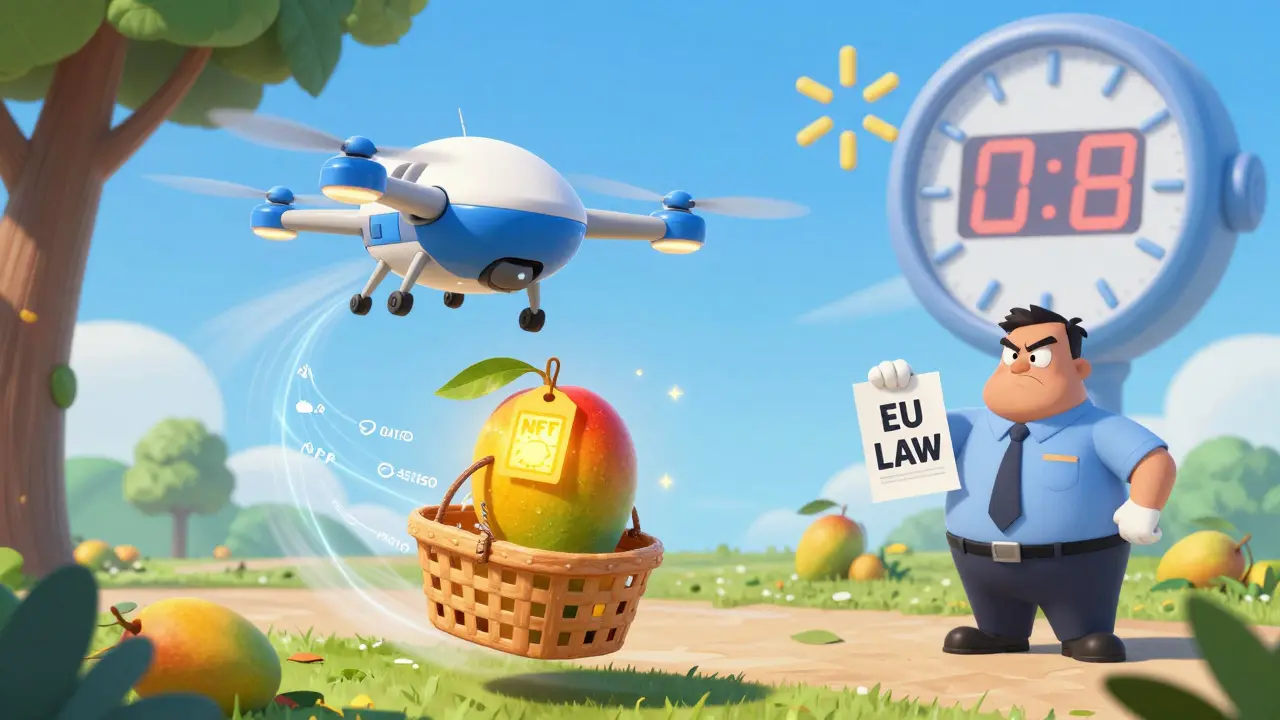
In March 2025, the UN’s Food and Agriculture Organization launched a global standard to make NFT traceability systems talk to each other. That’s huge. Without it, we’d end up with a dozen competing apps - each showing different info. Walmart’s new NFT pilot for mangoes now tracks individual fruit - not just crates. Recall time? 0.8 seconds. That’s faster than you can open your phone. By 2030, Gartner predicts 65% of premium food products will use NFT traceability. The EU’s Digital Product Passport rule (coming in 2027) will force it for many foods. And as costs drop, we’ll see this move from luxury items to everyday groceries.What This Means for You
If you buy organic, grass-fed, or sustainably caught food - this affects you. In the next few years, scanning your food will be as normal as checking a product’s barcode. You’ll know if your salmon was caught legally. If your coffee beans were shade-grown. If your eggs came from hens that actually had access to the outdoors. It’s not magic. It’s data. And it’s finally becoming accessible. The real win? Trust. Not just in brands - but in the entire system. When you can see every step of your food’s journey, you’re not just buying a product. You’re buying a story. And that story can’t be faked.Can NFTs really stop food fraud?
Yes - but only if the data entering the system is accurate. NFTs don’t magically verify claims. They just make it impossible to alter the record. If a farm falsely claims its produce is organic and logs that into the system, the NFT will still show that lie. The system only works if inspections, audits, and third-party verification are built into the process. Think of NFTs as a tamper-proof ledger - not a truth detector.
Do I need a special app to scan NFT food tags?
No. Most systems use standard QR codes that work with any smartphone camera. Some brands use NFC chips - you just tap your phone against the package. No downloads needed. The app you see after scanning is usually a simple web page loaded in your browser. If you can scan a QR code for a Wi-Fi password, you can scan one for your food.
Are NFT food tags expensive for small farms?
Right now, yes. A full system costs $50,000-$500,000. But new platforms are emerging that let small farms join shared networks. For example, the Food Trust Network offers a $5,000/year plan for farms with under 500 acres. It’s still a stretch for many, but it’s no longer just for corporations. Industry coalitions are also pushing for subsidies and grants to help small producers adopt the tech.
Why use NFTs instead of regular blockchain tracking?
Regular blockchain tracking records batches - like “100 crates from Farm A.” NFTs track each item individually. That means if one mango is contaminated, you recall just that one - not 10,000. It cuts waste, saves money, and reduces panic. NFTs also let consumers interact with a single product’s history, not a whole shipment. That personal connection drives trust.
Is this just a trend for rich countries?
Not anymore. Vietnam’s TE-FOOD system tracks 2.4 million food transactions daily - mostly poultry and eggs. India and Brazil have pilot programs for coffee and dairy. The FAO’s 2025 global standard is designed to work in low-tech regions. The goal isn’t to make every farmer use smartphones - it’s to make the data accessible through simple QR codes, SMS updates, and local kiosks. The tech is scalable, not just high-tech.
Basil Bacor
March 7, 2026 AT 23:15Cerissa Kimball
March 9, 2026 AT 21:17Emily Pegg
March 10, 2026 AT 15:13Ethan Grace
March 11, 2026 AT 19:04Nash Tree Service
March 12, 2026 AT 21:52Jane Darrah
March 13, 2026 AT 21:15Denise Folituu
March 15, 2026 AT 02:37jack carr
March 16, 2026 AT 00:21Eva Gupta
March 17, 2026 AT 05:03Nancy Jewer
March 18, 2026 AT 21:19Julie Potter
March 19, 2026 AT 03:01Christina Young
March 19, 2026 AT 12:22Jonathan Chretien
March 20, 2026 AT 08:12Bill Pommier
March 21, 2026 AT 16:05Olivia Parsons
March 23, 2026 AT 14:59Datta Yadav
March 24, 2026 AT 08:06