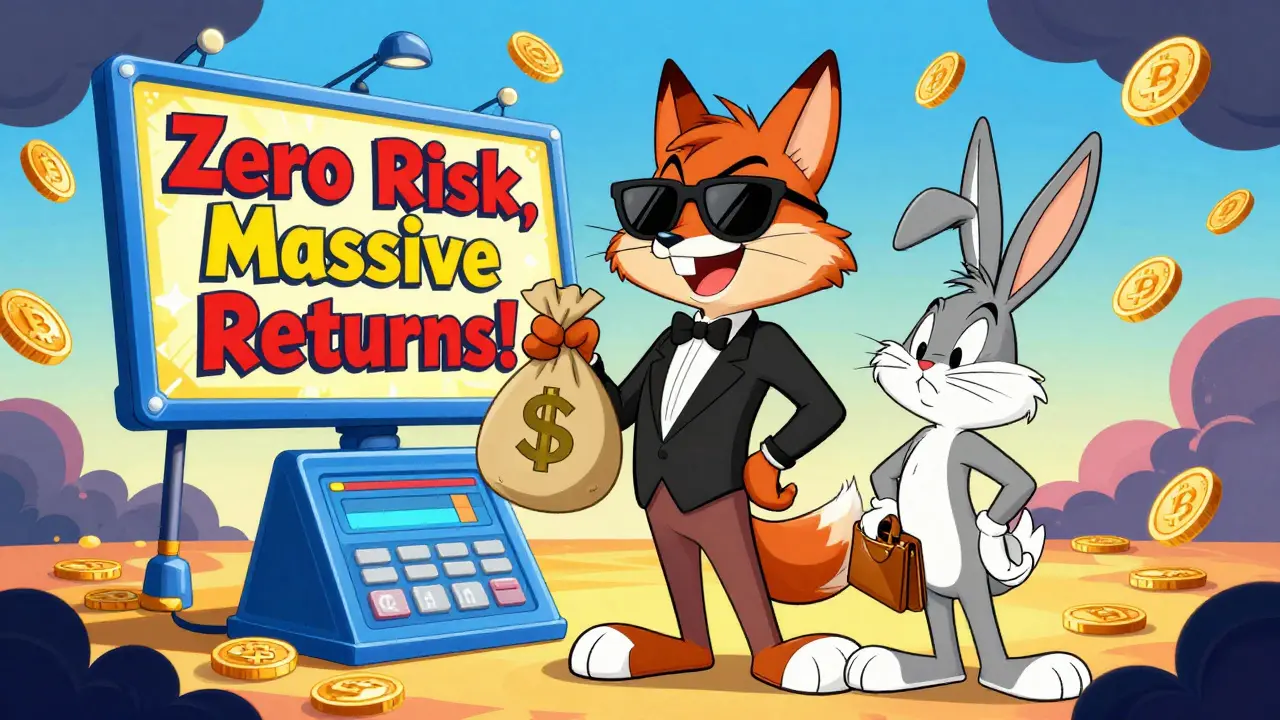
You see an ad promising massive returns with zero risk. The platform looks sleek. The testimonials are glowing. But something feels off. If you are reading this review for BTCNEXT EXCHANGE is a cryptocurrency trading platform that has raised significant red flags regarding its legitimacy and operational transparency., you likely want one answer: Is it safe to put my money there?
The short answer is no. Based on current data available in mid-2026, there is no credible evidence that BTCNEXT EXCHANGE is a legitimate, regulated financial institution. In fact, the lack of information is the biggest warning sign. In the world of finance, silence usually means trouble. This review will walk you through why this platform fails basic trust tests, how to spot similar scams, and where you should actually trade your crypto if you want to keep your funds secure.
The Red Flags: Why Information Is Missing
When I research a new tool or service, the first thing I look for is transparency. Who runs it? Where are they located? Are they licensed? For BTCNEXT EXCHANGE, these answers are either missing or fabricated. Let’s break down what a legitimate exchange looks like versus what you find here.
| Feature | Legitimate Exchange (e.g., Coinbase, Kraken) | Suspicious Platform (e.g., BTCNEXT) |
|---|---|---|
| Regulatory Status | Licensed by FCA, ASIC, FinCEN, or local authorities | No verifiable license; often claims offshore registration without proof |
| Company Identity | Clear CEO name, physical address, team bios on LinkedIn | Anonymous founders; stock photos used for team members |
| User Reviews | Mixed reviews on Trustpilot, Reddit, and specialized forums | Only positive reviews on obscure sites; negative reviews mention withdrawal issues |
| Security Protocols | Publicly audited smart contracts, cold storage details, 2FA options | Vague claims of "bank-grade security" with no technical specifics |
| Fees Structure | Transparent fee schedule published on website | Hidden fees revealed only during withdrawal attempts |
If you search for "BTCNEXT EXCHANGE regulatory status," you won’t find a page from the Financial Conduct Authority (FCA) or the Australian Securities and Investments Commission (ASIC). Legitimate exchanges proudly display their license numbers because they are required to by law. When a platform hides this information, it is usually because they have nothing to show.
How Crypto Scams Operate in 2026
Scammers have evolved. They don’t just send phishing emails anymore. They build entire websites that look professional. They use AI-generated content to write convincing blog posts about market trends. They even hire actors to post fake success stories on social media. Here is the typical playbook used by platforms like BTCNEXT:
- The Hook: You encounter an ad on social media featuring a celebrity endorsement (which is almost always deep-faked or stolen) or a influencer claiming they made 10x returns overnight.
- The Deposit: You sign up with minimal verification. The interface is smooth, encouraging you to deposit via credit card or wire transfer. Crypto deposits are often discouraged initially to make fiat withdrawals harder later.
- The Illusion of Profit: Your dashboard shows huge gains. The charts go up. You feel smart. This is psychological manipulation designed to make you deposit more money.
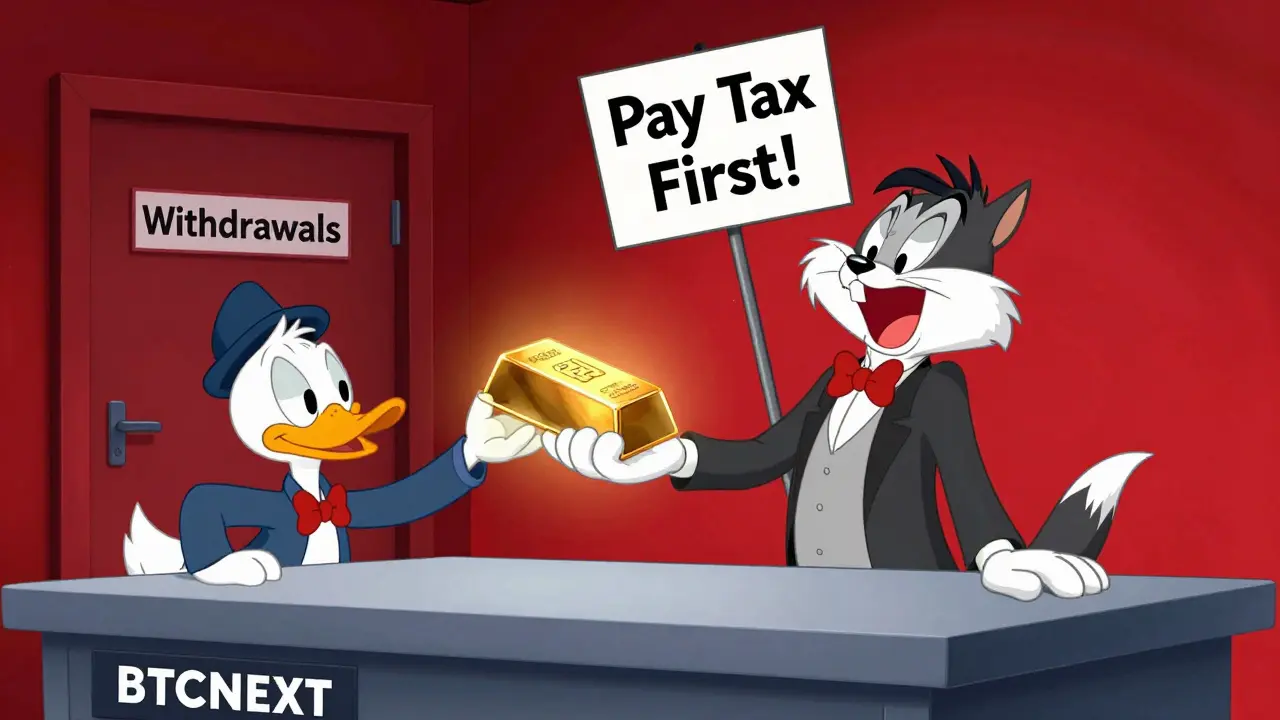
- The Wall: When you try to withdraw your "profits," you hit a wall. You might be told you need to pay a "tax," a "verification fee," or meet a minimum trading volume requirement. These requirements are impossible to meet.
- The Disappearance: Once you realize you’ve been scammed, customer support goes silent. The website may eventually go offline, leaving you with empty pockets and no recourse.
This pattern is documented extensively by consumer protection agencies worldwide. The U.S. Commodity Futures Trading Commission (CFTC) and the Federal Trade Commission (FTC) issue regular warnings about unregistered crypto platforms. In New Zealand, where I live, the Financial Markets Authority (FMA) also maintains a register of approved providers. BTCNEXT does not appear on any major global regulatory watchlist as a compliant entity.
Verifying Legitimacy: A Step-by-Step Checklist
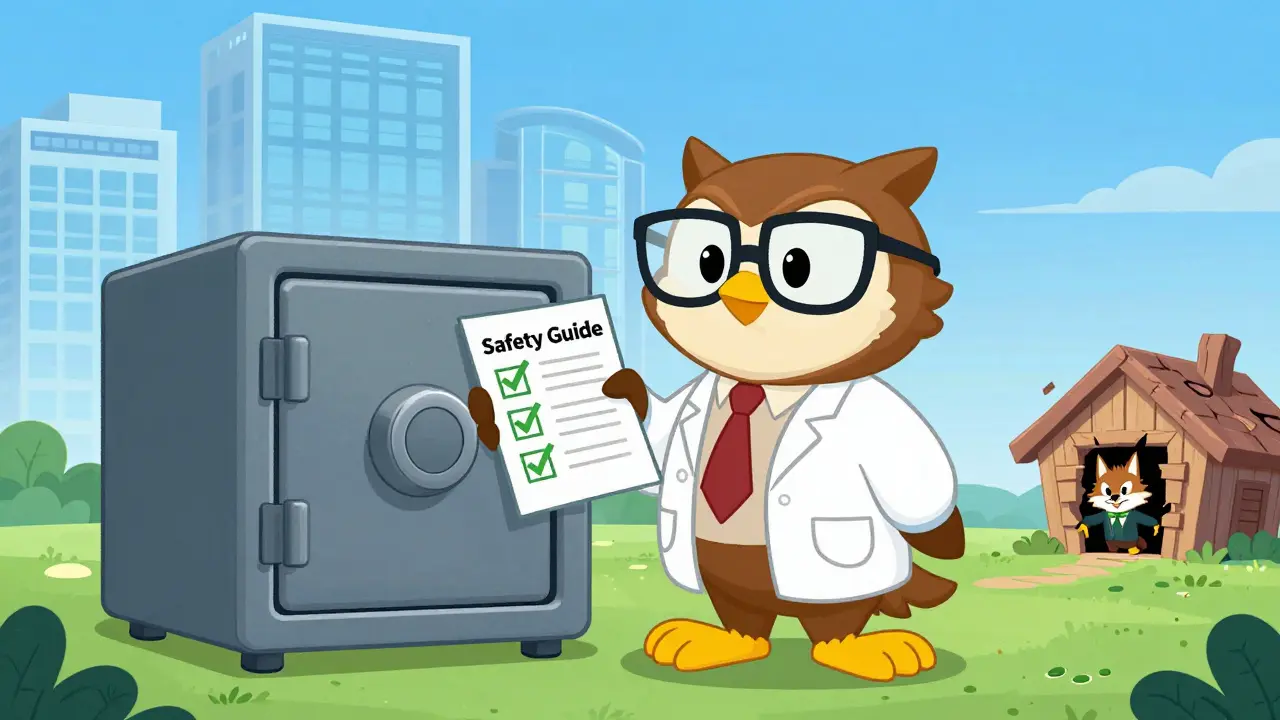
Before you trust any exchange with your hard-earned money, run it through this checklist. It takes five minutes but could save you thousands of dollars.
- Check Regulatory Registers: Go directly to the regulator’s website, not the link provided by the exchange. Search for the company name. If they claim to be regulated in Cyprus, check the CySEC register. If they claim Malta, check the MFSA. If they aren’t listed, they are operating illegally in that jurisdiction.
- Investigate the Domain Age: Use a WHOIS lookup tool. Many scam domains are registered recently (within the last 1-2 years) using privacy protectors to hide the owner’s identity. Legitimate financial institutions usually have older, transparent domain histories.
- Search for Withdrawal Complaints: Don’t just read the 5-star reviews on their site. Search "[Exchange Name] scam" or "[Exchange Name] withdrawal problems" on Reddit, Twitter, and Trustpilot. Look for patterns. Are multiple people saying they can’t get their money out?
- Contact Customer Support: Send them a question before you deposit. Ask for their license number and physical office address. See if they respond promptly and professionally. Scam operators often use generic, copy-pasted responses or ignore complex questions.
- Review the Terms of Service: Legitimate companies have clear terms. Scam sites often have vague language about dispute resolution or include clauses that give them unilateral power to freeze accounts without cause.
Safe Alternatives for Trading Bitcoin
Avoiding scams is important, but you still want to participate in the crypto market. Fortunately, there are many reputable, regulated exchanges that offer secure environments for buying, selling, and holding Bitcoin and other cryptocurrencies. Here are some trusted options depending on your location and needs.
| Exchange | Best For | Regulation | Key Feature |
|---|---|---|---|
| Coinbase | Beginners in US/EU | SEC Registered, FCA Licensed | User-friendly interface, public company transparency |
| Kraken | Advanced Traders | Multiple Global Licenses | Strong security history, low fees, wide coin selection |
| Independent Reserve | Australian/NZ Users | ASIC Licensed (Australia) | Local AUD/NZD banking integration, high security standards |
| Binance | Global Users (with caution) | Varies by Region | Highest liquidity, extensive features (verify local legality) |
| Crypto.com | Ecosystem Users | Multiple Jurisdictions | Integrated debit card, staking rewards, app convenience |
For users in New Zealand and Australia, Independent Reserve is a standout choice. They have been operating since 2013, hold proper licenses, and offer direct bank transfers in local currency. This reduces the friction and risk associated with moving money in and out of the platform. Always choose an exchange that allows you to verify your identity fully (KYC - Know Your Customer). While privacy advocates dislike KYC, it is a critical layer of protection against fraud and money laundering. If an exchange doesn’t ask for ID, it likely doesn’t care about protecting your funds either.
What To Do If You’ve Already Deposited
If you have already sent money to BTCNEXT EXCHANGE and cannot withdraw it, act quickly. Time is your enemy in these situations.
- Stop Further Deposits: Do not pay any "fees" or "taxes" requested to release your funds. This is a secondary scam designed to squeeze more money from victims who are desperate to recover their initial loss.
- Contact Your Bank: Call your bank or credit card provider immediately. Report the transaction as fraudulent. There is a small window where chargebacks or transaction reversals might be possible, especially for card payments.
- Report to Authorities: File a report with your local financial crime unit. In the US, use the FTC’s ReportFraud.ftc.gov. In the UK, contact Action Fraud. In New Zealand, report to the Police and the Financial Markets Authority. Providing details helps authorities track down these operations.
- Secure Your Accounts: Change passwords for any email addresses linked to the scam. Enable two-factor authentication everywhere. Scammers often harvest personal data during the sign-up process.
Recovering funds from crypto scams is difficult, but not impossible. Law enforcement agencies have successfully shut down several large-scale crypto fraud operations in recent years. Your report contributes to the evidence base needed for these actions.
Understanding Crypto Security Basics
Beyond choosing a legitimate exchange, you must take responsibility for your own security. The phrase "not your keys, not your coins" exists for a reason. Even on a reputable exchange, your funds are held in custodial wallets. If the exchange gets hacked or goes bankrupt, your assets are at risk.
For long-term holdings, consider using a hardware wallet. Devices like Ledger or Trezor store your private keys offline, making them immune to online hacks. Think of it like a safe deposit box versus leaving your cash under the mattress. For active trading, keep only what you need on the exchange. Move the rest to cold storage.
Also, be wary of "guaranteed returns." No investment in finance offers guaranteed profits. If someone promises you 1% daily returns with zero risk, they are lying. The stock market averages 7-10% annually over the long term. Crypto is volatile and can swing wildly. High returns always come with high risk. Any platform downplaying this risk is misleading you.
Is BTCNEXT EXCHANGE regulated?
There is no verifiable evidence that BTCNEXT EXCHANGE holds licenses from major financial regulators such as the FCA, ASIC, or SEC. Legitimate exchanges publicly display their regulatory status. The absence of this information is a strong indicator that the platform is operating illegally or is a scam.
Can I withdraw money from BTCNEXT EXCHANGE?
Users reporting issues with similar unregulated platforms often face impossible withdrawal conditions, such as paying upfront fees or meeting unrealistic trading volumes. These tactics are designed to prevent withdrawals. If you cannot withdraw easily, do not deposit more money.
How can I tell if a crypto exchange is a scam?
Look for missing regulatory licenses, anonymous ownership, too-good-to-be-true return promises, and negative user reviews regarding withdrawals. Legitimate exchanges have transparent teams, clear fee structures, and are registered with financial authorities.
What should I do if I lost money to a crypto scam?
Contact your bank immediately to attempt a chargeback. Report the incident to your local financial crimes unit and police. Do not pay any additional fees promised to release your funds, as this is a common secondary scam tactic.
Are there safe alternatives to BTCNEXT EXCHANGE?
Yes, many regulated exchanges exist, including Coinbase, Kraken, and Independent Reserve (for NZ/AU users). These platforms are licensed, transparent, and have established security protocols to protect user funds.