

You’ve probably seen the ads or heard the whispers about BitAsset. It promises high-leverage trading, smart contract-based derivatives, and access to volatile digital asset markets. But here is the uncomfortable truth that most promotional material hides: the name "BitAsset" is currently a red flag in the cryptocurrency world. As of mid-2026, the platform sits in a murky gray area between an obscure derivatives broker and a potentially defunct legacy exchange.
If you are looking for a place to park your Bitcoin or trade Ethereum futures, you need to know exactly what you are signing up for. This isn’t just about fees or interface design; it’s about whether your funds are actually safe. Let’s cut through the noise and look at the hard facts regarding BitAsset’s legitimacy, its confusing history, and why experienced traders are largely avoiding it.
The Identity Crisis: Which BitAsset Are You Looking At?
The first thing that trips people up is that "BitAsset" doesn’t refer to one clear, unified entity. In the early days of crypto (around 2019-2020), there was a Hong Kong-based spot exchange called BitAsset Exchange. It listed over 100 trading pairs and claimed massive daily volumes-over $1 billion in June 2019. However, those numbers dropped precipitously by 2020, falling to around $290 million, which often signals wash trading or a lack of real user activity.
Then, there is the newer iteration: a platform focusing on smart contract-based cryptocurrency derivatives. This version operates with significantly less transparency. There is no definitive proof that these two entities are the same, but the brand confusion itself is a major warning sign. Legitimate exchanges like Binance or Coinbase have clear corporate structures. BitAsset leaves users guessing about who owns the platform, where the servers are located, and who is responsible if things go wrong.
| Feature | BitAsset | Major Exchanges (e.g., Binance, Kraken) |
|---|---|---|
| Regulatory Status | Unclear / Unverified | Licensed in multiple jurisdictions |
| Transparency | Low (Limited team info) | High (Public audits, known founders) |
| Trading Volume | Questionable / Declining | Verified / Billions daily |
| User Protection | Minimal details | Insurance funds, 2FA, cold storage |
Regulatory Red Flags: The Biggest Risk Factor
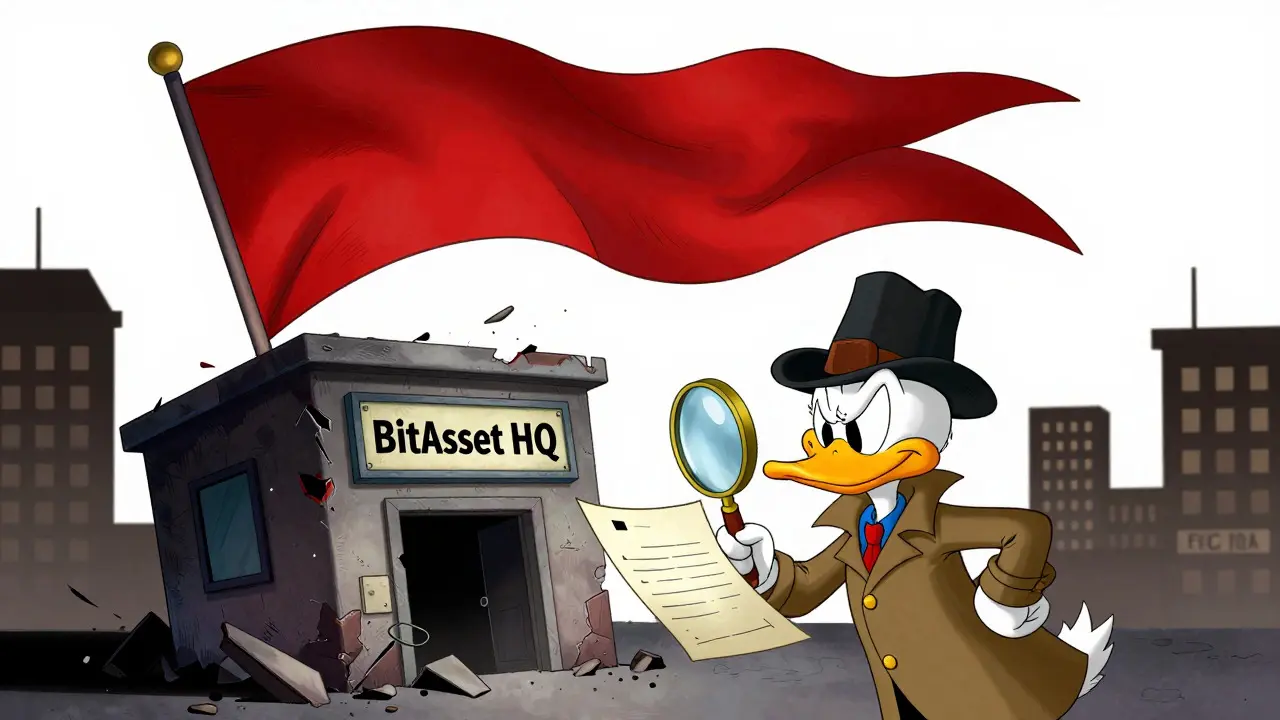
In the crypto industry, regulation is not just paperwork; it is your insurance policy. When an exchange holds your money, you want to know they are playing by the rules set by financial authorities. BitAsset fails this basic test. As of 2025 and continuing into 2026, the platform lacks clear regulatory licensing from major bodies like the SEC in the US, the FCA in the UK, or strict compliance frameworks in the EU.
This doesn’t mean it is automatically illegal, but it does mean you have zero recourse if the platform freezes your account or disappears overnight. Many offshore exchanges operate in legal vacuums to avoid scrutiny. BitAsset restricts US investors, which is common, but without positive licensing elsewhere, this restriction feels more like damage control than compliance. Industry experts consistently point out that legitimate platforms proudly display their licenses. BitAsset’s silence on this front is deafening.
User Experience and Technical Reality
Let’s assume for a moment you decide to ignore the regulatory warnings and dive in. What does the actual trading experience look like? The platform advertises 24/7 customer support, which sounds good on paper. In practice, however, user reviews from 2024 and 2025 paint a different picture. Many traders report slow response times or generic automated replies when facing critical issues like withdrawal delays.
Technically, the derivatives platform relies on smart contracts. While this can offer benefits like non-custodial trading, it also introduces complexity. If the smart contracts have bugs-and many lesser-known platforms do-your funds could be locked or exploited. Unlike established exchanges that undergo regular third-party security audits, BitAsset provides scant information about its security infrastructure. There is no public record of bug bounty programs or penetration testing results, which are standard practices for top-tier exchanges.
The Verdict: High Risk, Low Reward
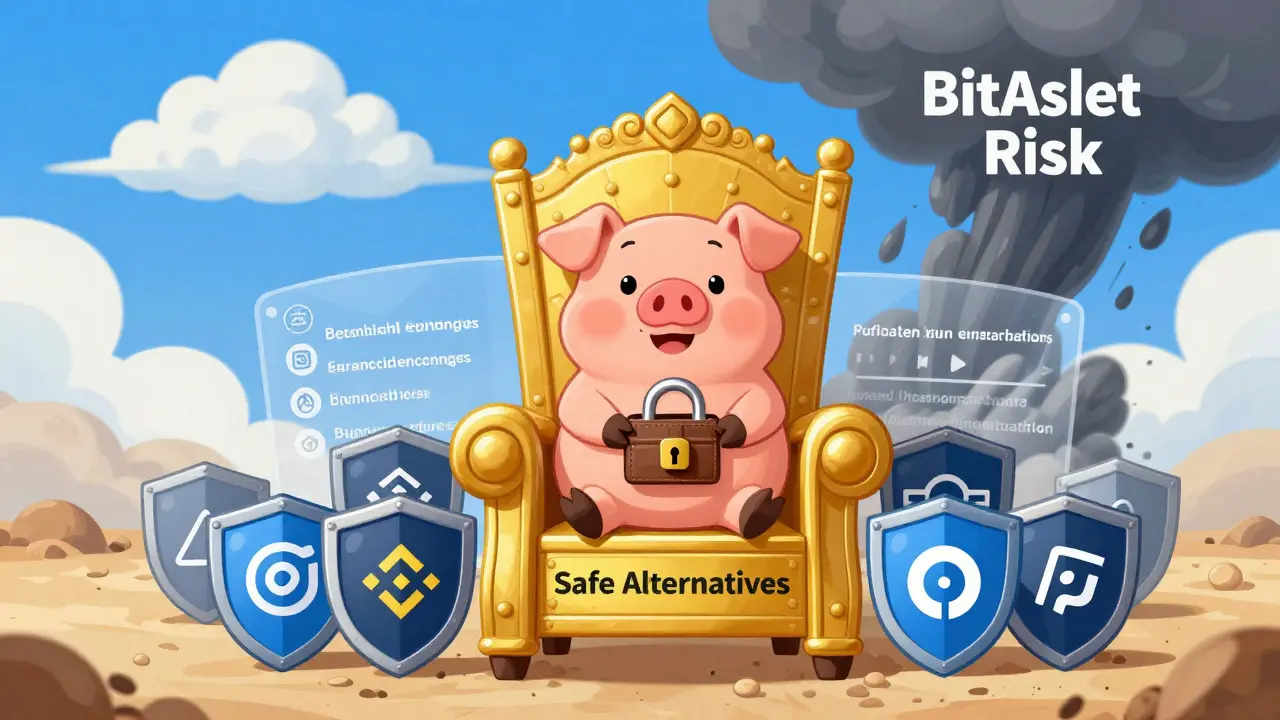
So, should you use BitAsset? For beginners, the answer is a hard no. You do not need the added stress of wondering if your broker is legit when you are just learning how to read a candlestick chart. Even for experienced traders, the risks outweigh the potential rewards. Why would you choose a platform with unclear ownership and declining volume when competitors like Bybit, OKX, or even decentralized options like dYdX offer better liquidity, clearer terms, and stronger security track records?
The cryptocurrency market has matured. We are past the "wild west" era where any website could claim to be an exchange. Today, trust is built on transparency, regulatory compliance, and proven uptime. BitAsset checks none of these boxes. Until the platform publishes clear information about its leadership, obtains verifiable licenses, and restores consistent trading volume, it remains a speculative gamble rather than a reliable trading tool.
Alternatives That Actually Deliver
If you are looking for derivatives trading or spot markets, stick to platforms with a proven track record. Here is what you should look for instead:
- Centralized Exchanges (CEX): Platforms like Binance, Kraken, or Coinbase Advanced Trade offer deep liquidity and robust customer support. They are regulated in key markets and have survived multiple market crashes.
- Decentralized Exchanges (DEX): If you prefer non-custodial trading, consider platforms like dYdX or GMX. These operate on-chain, meaning you retain control of your keys until the moment of trade execution, reducing counterparty risk.
- Security First: Always check if the exchange uses cold storage for the majority of user funds and offers two-factor authentication (2FA) via hardware keys or authenticator apps.
Don’t let the promise of hidden gems trick you into using unproven platforms. In crypto, safety is not a luxury; it is a necessity.
Is BitAsset a scam?
While not definitively proven as a scam in a legal sense, BitAsset exhibits many characteristics of fraudulent or high-risk operations. These include unclear regulatory status, lack of transparent company information, and mixed-to-negative user reviews regarding withdrawals and support. Proceed with extreme caution.
Can US citizens use BitAsset?
Generally, no. BitAsset, like many offshore crypto platforms, restricts access to users from the United States due to strict SEC regulations. However, this restriction does not guarantee safety for users in other countries.
What happened to the original BitAsset Exchange?
The original BitAsset Exchange, based in Hong Kong, saw a significant drop in trading volume after 2019. It appears to have faded from prominence, leading to confusion with newer entities using similar names. Its current operational status is unclear.
Is BitAsset regulated?
There is no publicly available evidence that BitAsset holds active regulatory licenses from major financial authorities such as the SEC, FCA, or ASIC. This lack of regulation is a significant risk factor for traders.
Are there safer alternatives to BitAsset?
Yes. Established centralized exchanges like Binance, Kraken, and Coinbase, as well as decentralized platforms like dYdX, offer greater transparency, higher liquidity, and better regulatory compliance, making them safer choices for most traders.